
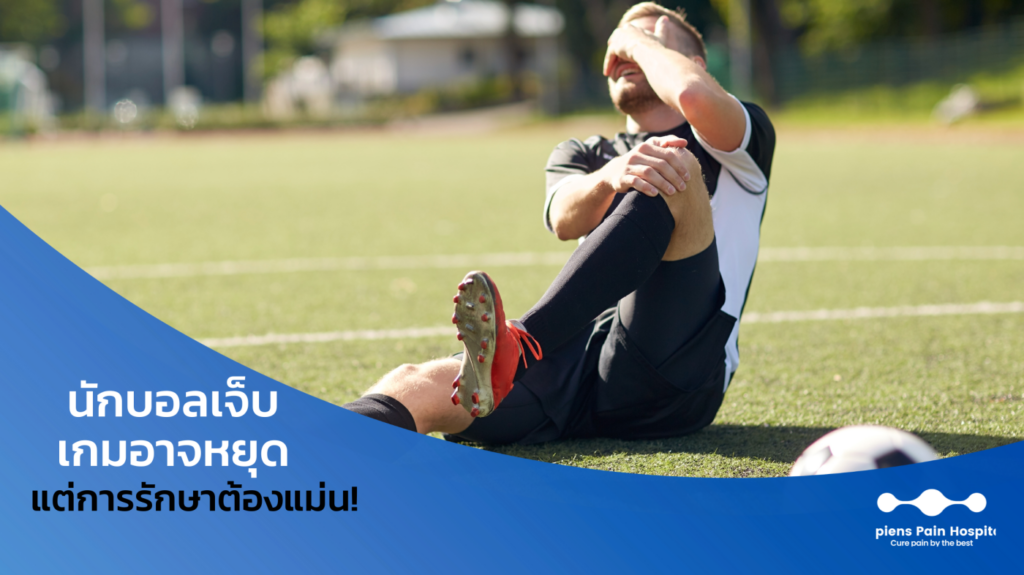
Football Injury: The Game May Stop, but Treatment Must Be Precise!
Incidence and Common Types of Injury
Football players are exposed to a relatively high risk of injury because the sport involves sprinting, rapid changes of direction, jumping, tackling, and physical contact. Most football injuries affect the lower extremities, particularly the thigh, knee, lower leg, and ankle. Common problems include muscle strains, ligament injuries, ankle sprains, and knee injuries such as anterior cruciate ligament (ACL) tears. The exact proportion of lower-limb injuries varies between studies, levels of competition, sex, and the definition of injury used.
Common Football Injuries
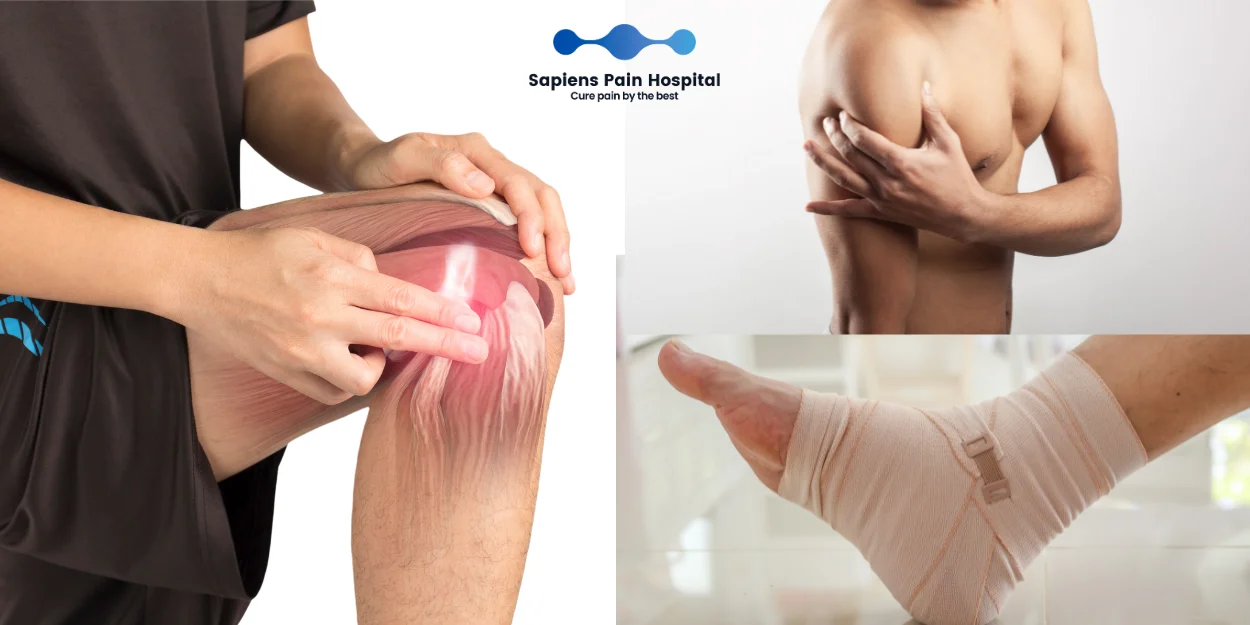
- Anterior Cruciate Ligament Injury (ACL Tear)
ACL injuries frequently occur during sudden deceleration, pivoting, landing, or rapid changes of direction and may occur without direct contact. Female football players have a higher risk of ACL injury than male players, although the exact difference varies across populations and studies.
Symptoms may include a popping sensation or sound, rapid swelling, pain, reduced range of motion, and a feeling that the knee is unstable or giving way.
- Muscle Injuries (Strains)
Muscle strains commonly involve the hamstrings, quadriceps, adductors, or calf muscles. They may occur during sprinting, acceleration, kicking, jumping, or sudden loading. Hamstring injuries are particularly common in football and may recur if rehabilitation and return-to-play progression are incomplete.
- Ankle Sprain
Ankle sprains commonly occur when the ankle rolls or twists during landing, tackling, stepping on another player’s foot, or changing direction. Most involve the lateral ankle ligaments. Recurrent sprains may lead to persistent instability if strength, balance, proprioception, and neuromuscular control are not adequately restored.
- Shoulder and Surrounding Soft-Tissue Injuries (Rotator Cuff and AC Joint Injuries)
Shoulder injuries are less common than lower-limb injuries in football but may occur after falls, collisions, or direct impact. These can include acromioclavicular (AC) joint injuries, shoulder dislocation, rotator cuff injury, or other soft-tissue injuries. Diagnosis depends on the mechanism of injury, physical examination, and imaging when indicated.
- Head Impact and Concussion may result from player-to-player collisions, falls, or impact with the ball or ground. Concussion is a form of mild traumatic brain injury and should be taken seriously. A player with suspected concussion should be removed from play and medically assessed before returning to sport.
Evidence-Based Treatment Approaches
1 Non-Surgical Treatment
- Early injury care should focus on protection, symptom control, and appropriate progressive loading rather than prolonged complete rest. Cold therapy, compression, and elevation may help reduce pain and swelling in selected acute injuries.
- Physical therapy: rehabilitation may include restoring range of motion, strength, balance, proprioception, neuromuscular control, running mechanics, and sport-specific movement depending on the injury.
- Braces or taping: knee or ankle supports may be useful in selected situations, particularly during rehabilitation or return to sport, but they do not replace appropriate strengthening and neuromuscular training.
- Neuromuscular training: structured programs that include strength, balance, landing technique, and movement control can reduce the risk of some lower-limb injuries, including ACL injuries, particularly when performed consistently as part of football training.
2 Surgical Treatment
- ACL reconstruction: may be considered for selected patients with symptomatic ACL deficiency, especially athletes who wish to return to pivoting sports or who have associated instability or additional knee injury. Arthroscopic techniques are commonly used, but recovery and return to football depend on rehabilitation and functional criteria rather than a guaranteed success percentage.
- Muscle or tendon repair: surgery is uncommon for most muscle strains but may be considered in selected severe tears, complete ruptures, or avulsion injuries.
- Rotator cuff repair or ankle stabilization surgery: may be considered in selected patients with significant structural injury, persistent instability, or symptoms that do not improve with appropriate non-surgical rehabilitation.
- Concussion management: concussion is not treated surgically in routine cases. The athlete should be removed from play, medically assessed, and return to sport only through a gradual stepwise protocol after symptoms and neurological function have recovered appropriately.
Treatment Approach at Sapiens Hospital
Sapiens Hospital provides comprehensive assessment and treatment for sports-related injuries based on the actual diagnosis, severity of injury, functional needs, and the athlete’s goal of returning safely to sport.
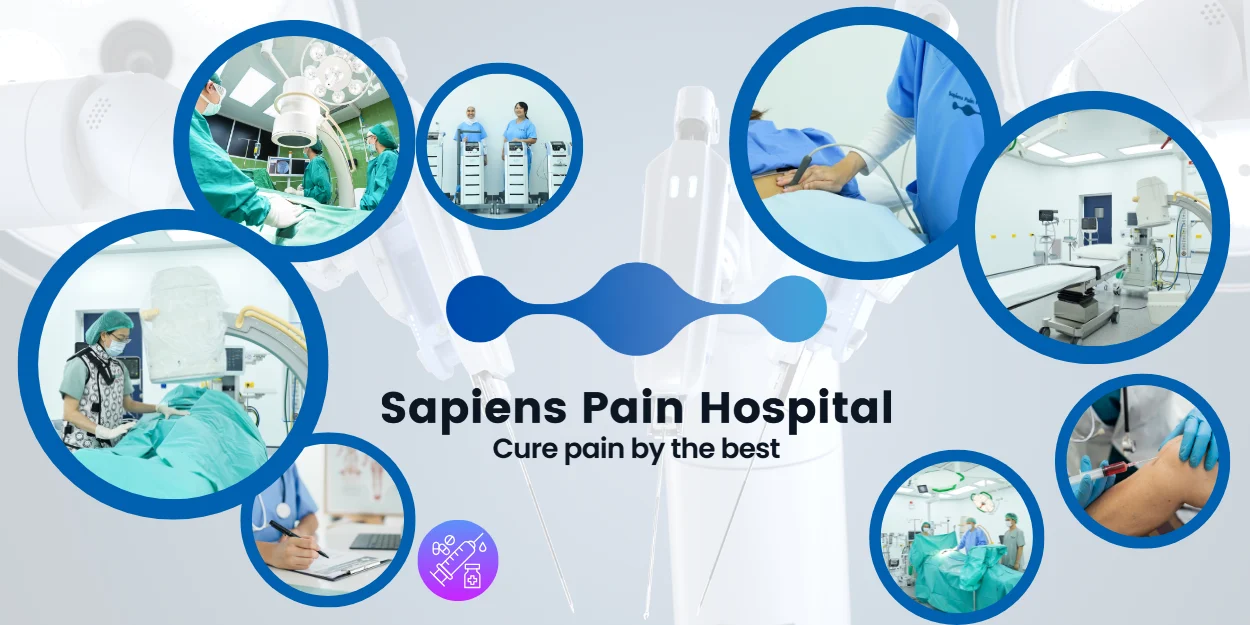
- Comprehensive Assessment
– Assessment of the injury mechanism, physical examination, movement, functional limitations, sport demands, and psychosocial factors that may influence recovery - Non-Surgical Treatment When Appropriate
– Individualized physical therapy and rehabilitation
– Image-guided injections or other interventional procedures when clinically indicated; corticosteroid, PRP, or Botox each have specific indications and are not routine treatments for every sports injury
– Ultrasound-based assessment or selected physical modalities may be used as adjuncts, while active rehabilitation remains central to recovery - Minimally Invasive and Arthroscopic Surgery
– May be considered for selected ACL injuries, rotator cuff tears, ankle instability, or other structural injuries when surgical indications are present
– The surgical technique is selected according to the diagnosis and followed by structured postoperative rehabilitation - Rehabilitation and Injury Prevention
– Neuromuscular and movement-control training
– Progressive strength, mobility, balance, running, jumping, and sport-specific training
– Ongoing functional assessment before progression and return to football
Football players commonly experience injuries involving the muscles, knees, ankles, and other joints. Treatment should begin with an accurate diagnosis rather than assuming that every injury requires the same approach. Many sports injuries can be managed without surgery through appropriate rehabilitation, while surgery may be appropriate for selected severe ligament tears, major structural injuries, or persistent instability. Sapiens Hospital emphasizes precise assessment, individualized treatment, and progressive rehabilitation to help athletes return to the field as safely as possible.
References
- Ekstrand J, et al. Epidemiology of football injuries.
- Research on ACL injury epidemiology and prevention in football and pivoting sports.
- Clinical research on neuromuscular training and ACL injury prevention.
- Sports medicine literature on football-related muscle and ankle injuries.
- Clinical guidance on shoulder, ankle, and sports-related musculoskeletal injuries.