Many individuals have experienced pain in the cheeks, jaw, teeth, lips, or face and have undergone repeated dental treatments, sinus evaluations, or brain MRI scans, only to find no definitive abnormalities. Some patients suffer for years, undergoing multiple root canal treatments or tooth extractions, yet the pain persists unabated.
This condition was historically referred to as Atypical Facial Pain; however, international consensus now recommends the term Persistent Idiopathic Facial Pain (PIFP) to describe chronic facial pain that cannot be clearly attributed to any identifiable pathology or medical condition. It is a relatively uncommon condition, with a prevalence of approximately 0.03–0.1% in the general population. It occurs about 2 to 4 times more frequently in women than in men, with symptom onset most commonly presenting between the ages of 30 and 60 years.
Etiologies of Chronic Facial Pain
- Odontogenic and Oral Diseases: Infections, trauma, or neoplasms involving the oral cavity and dentition can cause facial pain.
- Craniofacial Musculoskeletal Disorders: Such as Temporomandibular Joint Dysfunction (TMD), arising from chronic biomechanical overuse or strain of the temporomandibular joint.
- Salivary Gland Disorders: Sialadenitis or infections within the salivary glands can present with facial pain and swelling.
- Sinonasal Diseases: Sinusitis can induce pain over the malar and frontal regions, typically accompanied by nasal congestion.
- Neurological Disorders: Such as Trigeminal Neuralgia, characterized by severe, lancinating, shock-like facial pain.
- Vascular and Arteritic Disorders: Temporal Arteritis (Giant Cell Arteritis) can cause headache and facial pain, particularly in elderly populations.
- Psychiatric and Psychogenic Factors: Severe psychological stress or major depressive disorders can also manifest as facial pain.
Clinical Presentation and Differential Diagnosis
- Pain Characteristics: Patients typically describe a dull, deep-seated aching, or continuous burning sensation lasting for hours or present throughout the entire day. The pain generally does not follow a specific dermatomal or peripheral nerve distribution, and clinical examination reveals no dental or neuroimaging pathology.
- Differential Diagnosis (Rule Out): Due to the diagnostic complexity of facial pain, pain specialists must thoroughly evaluate and exclude identifiable pathological entities prior to establishing a diagnosis of PIFP, notably:
1. Classical Trigeminal Neuralgia
Often misdiagnosed as PIFP, the pain characteristics are entirely distinct. Patients with Trigeminal Neuralgia experience brief, paroxysmal, excruciating electric shock-like stabs of pain, which are readily triggered by light cutaneous tactile stimulation of the face, talking, chewing, or tooth brushing. It is predominantly secondary to neurovascular compression (Neurovascular Compression) at the root entry zone in the brainstem, or demyelinating disease (Multiple Sclerosis) and compressive tumors.
2. Painful Trigeminal Neuropathy
Characterized by continuous burning pain, deep aching, dysesthesia, or allodynia following trauma or mechanical irritation of peripheral trigeminal branches. It consistently presents with a distinct inciting history, such as onset following endodontic treatment, dental extraction, implant placement, orthognathic or sinus surgery, maxillofacial trauma, or post-herpetic infection (Herpes Zoster ophthalmicus/maxillaris).
Pathophysiological Mechanisms
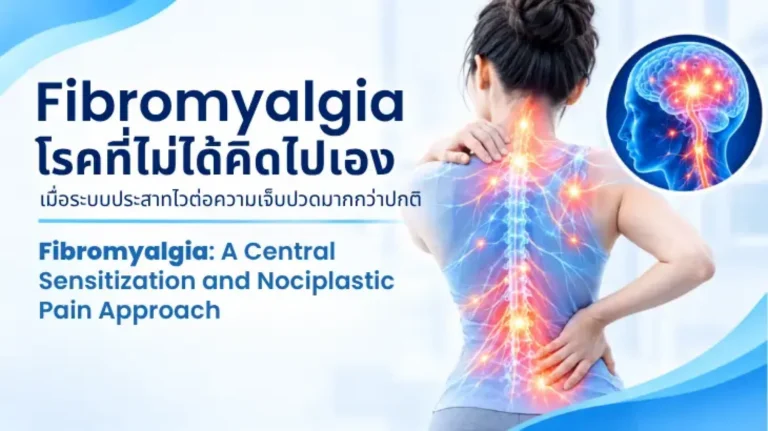
Historically, PIFP was often erroneously dismissed as purely psychogenic due to the lack of peripheral tissue pathology. However, current neuroscientific evidence clearly demonstrates that these patients have profound dysregulation of the central Pain Processing Network alongside Central Sensitization. Consequently, the central nervous system continues to generate and amplify persistent pain signals even in the complete absence of ongoing tissue damage.
Therapeutic Approaches and Interventional Pain Innovations
Modern clinical management of PIFP emphasizes a multimodal approach aimed at recalibrating the aberrant pain processing network:
1. Pharmacotherapy (Neuromodulating Agents)
- First-Line Agents with Highest Level of Evidence: Antidepressants that modulate descending inhibitory pain pathways, specifically Amitriptyline, Nortriptyline, and Duloxetine.
- Adjunctive Pharmacotherapy: Gabapentinoids such as Pregabalin, Mirogabalin, and Gabapentin may be considered as combination therapy to augment clinical efficacy, particularly in patients exhibiting comorbid neuropathic characteristics such as dysesthesia or burning sensations.
- Management of Comorbidities: Optimizing control over stress, generalized anxiety, and sleep architecture serves as a pivotal determinant of overall pharmacotherapeutic success.
2. Targeted Interventional Pain Procedures
In patients refractory to conservative pharmacotherapy or intolerant to systemic adverse effects, interventional pain physicians may consider minimally invasive, anatomically targeted interventions to disrupt nociceptive circuits:
- Targeted Nerve Blocks: Diagnostic and therapeutic peripheral nerve blocks tailored to symptomatic zones, such as Trigeminal Nerve Block, Supraorbital Nerve Block, or Infraorbital Nerve Block.
- Sphenopalatine Ganglion Block (SPG Block): Interventional blockade of the autonomic/sensory ganglion located deep within the pterygopalatine fossa, modulating deep facial and intraoral pain pathways.
- Radiofrequency (RF) Ablation and Neuromodulation:
- Conventional Thermal RF: Controlled thermal rhizotomy targeting the Gasserian ganglion (Gasserian Ganglion), primarily indicated for refractory Trigeminal Neuralgia.
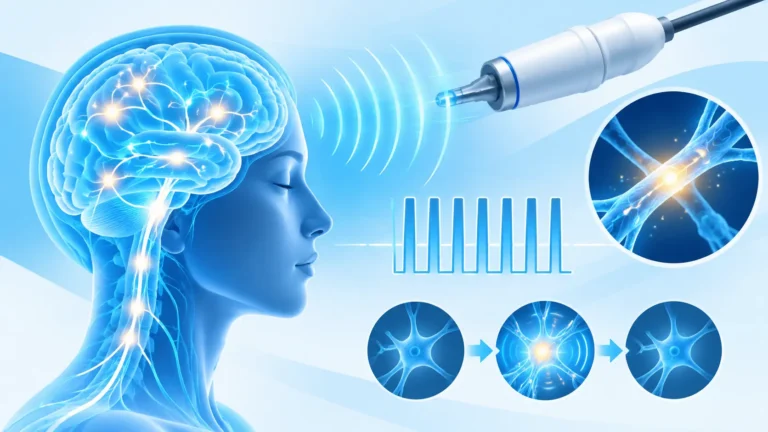
- Pulsed Radiofrequency (PRF): High-voltage electric field application delivering neuromodulatory effects without causing structural neural destruction, utilized in select localized facial neuropathic pain states.
- Botulinum Toxin Injections: Chemodenervation using Botulinum Toxin Type A, which has gained robust empirical support for treatment-resistant craniofacial pain conditions.
3. Advanced Neuromodulation Technologies
For patients with intractable, treatment-refractory pain syndromes, central and peripheral electrical neurostimulation modalities are actively utilized and evaluated:
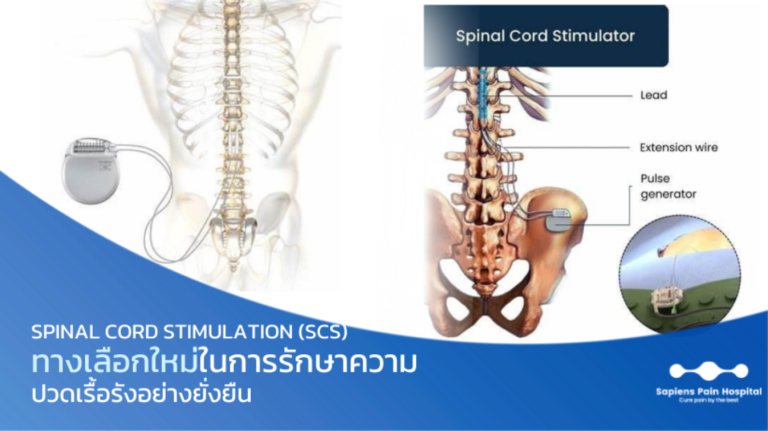
- Peripheral Nerve Stimulation (PNS): Subcutaneous implantation of neurostimulating leads across craniofacial peripheral nerves.
- Motor Cortex Stimulation (MCS): Epidural electrical stimulation over the precentral gyrus (primary motor cortex).
- Deep Brain Stimulation (DBS): Stereotactic implantation of electrodes into deep subcortical brain structures targeting thalamic or periaqueductal/periventricular gray regions.