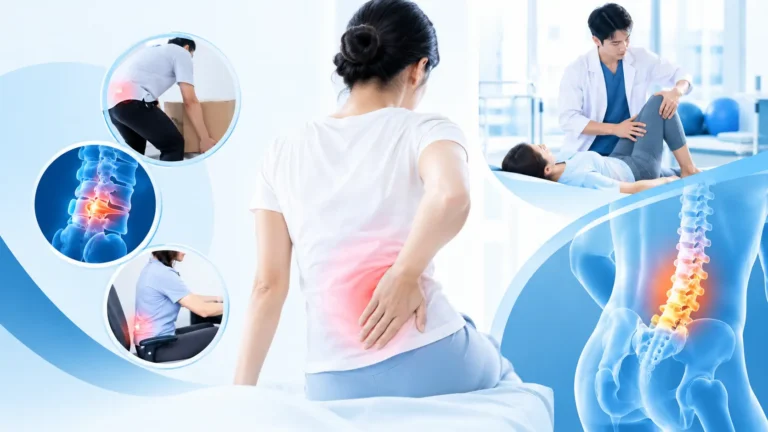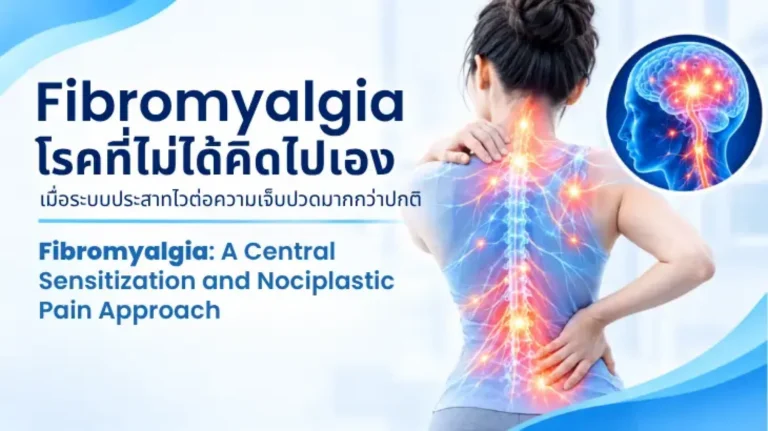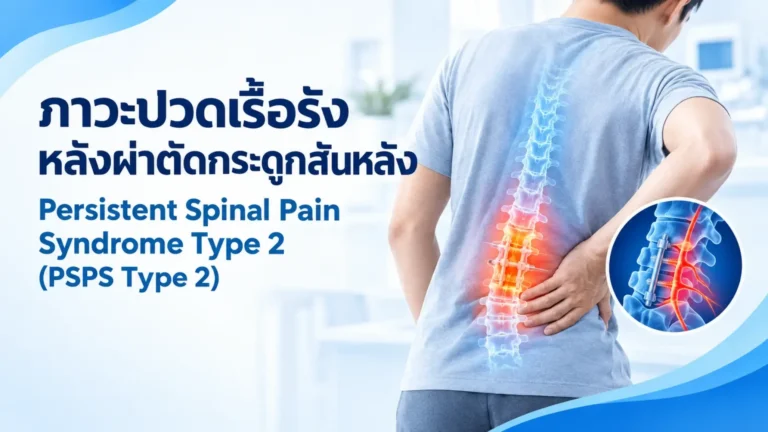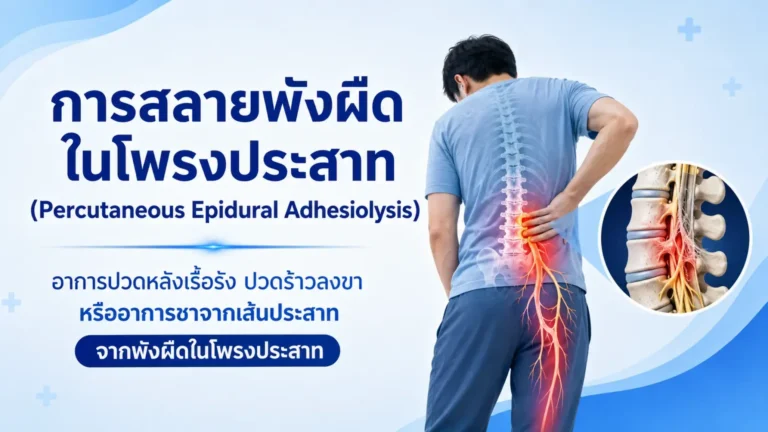
Certain types of chronic pain do not originate solely from structural “bone compression,” but from a sensitized and dysregulated nervous system that continually fires abnormal pain signals. As a result, patients experience severe burning pain, radiating pain, numbness, or sharp electrical shock-like sensations, even after undergoing medical therapy, physical therapy, therapeutic injections, or structural corrective surgeries.
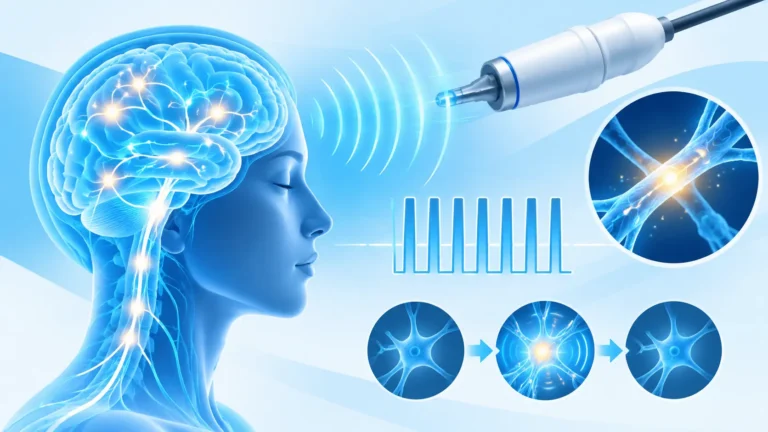
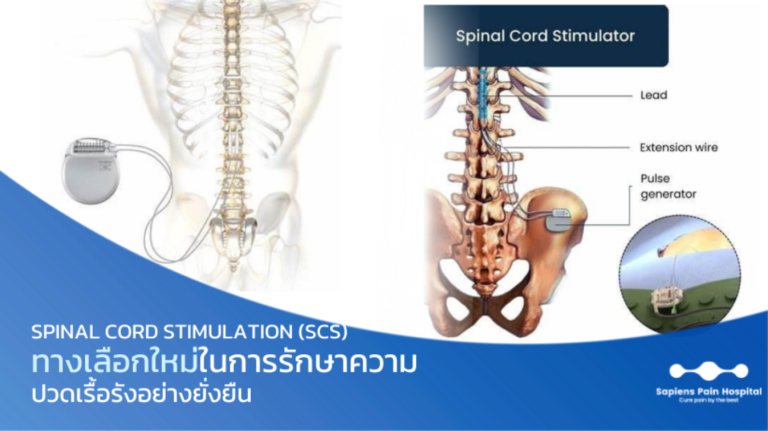
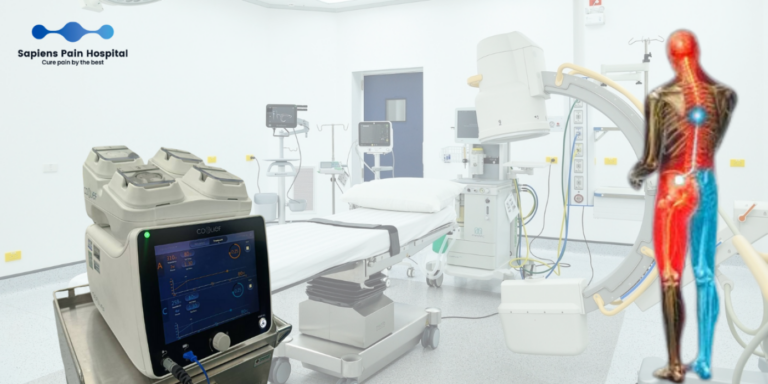
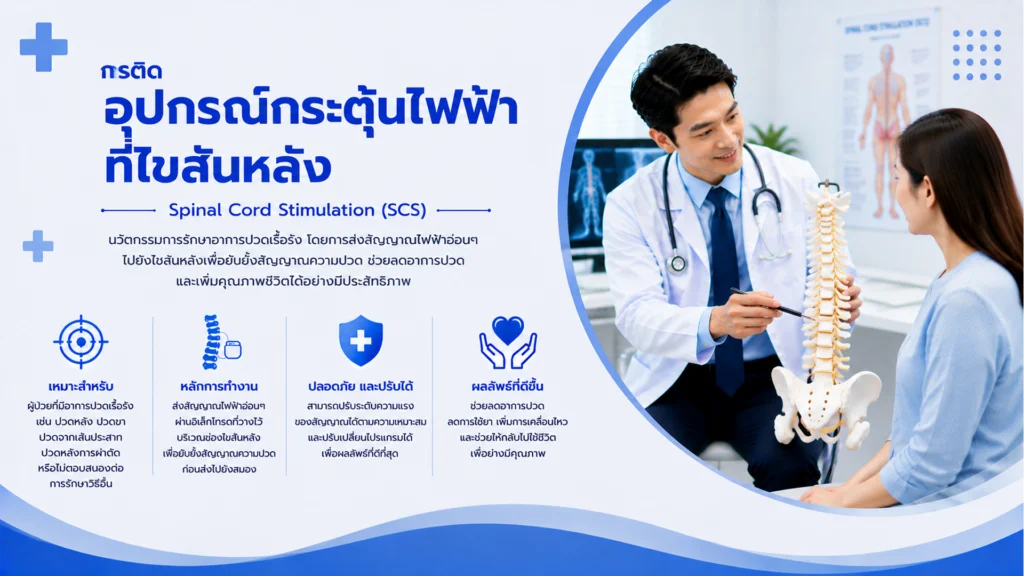
Spinal Cord Stimulation (SCS) is an advanced medical innovation that utilizes a small neurostimulator device implanted in the body to deliver mild electrical currents to the spinal cord. It functions by providing neuromodulation, interrupting and modifying pathological pain signals before they ascend to the brain. This helps alleviate pain and restores quality of life, allowing patients to regain mobility and resume daily activities close to normal function.
Q&A: Analgesic Mechanisms and Central Nervous System Modulation
How does Spinal Cord Stimulation relieve pain?
The mechanism of SCS is far more sophisticated than merely delivering an electrical shock to numb tissues temporarily; it actively modulates and rebalances the central nervous system across multiple levels, including:
- Inhibiting and downregulating the transmission of nociceptive signals from the spinal cord level ascending to the brain
- Activating the body’s intrinsic endogenous pain inhibition pathways
- Mitigating and reducing Central Sensitization within the neural circuits
- Cellular-level innovation (DTM Mode): Newer advanced platforms such as Differential Target Multiplexed Stimulation can recalibrate the dysregulated communication between neurons and glial cells (Glial cells), which represent key drivers inducing chronic neuropathic pain and neuroinflammation in deep neural structures.
While older-generation systems often produced a noticeable tingling sensation (Tingling / Paresthesia) over the painful dermatomes during activation, modern 2026 technologies achieve effective analgesia while remaining virtually paresthesia-free, leaving the patient completely unaware of the electrical current.
Appropriate Clinical Indications and Disease Groups
This procedure is indicated for patients suffering from severe chronic intractable pain lasting for months or years that has failed all conventional standard modalities, including:
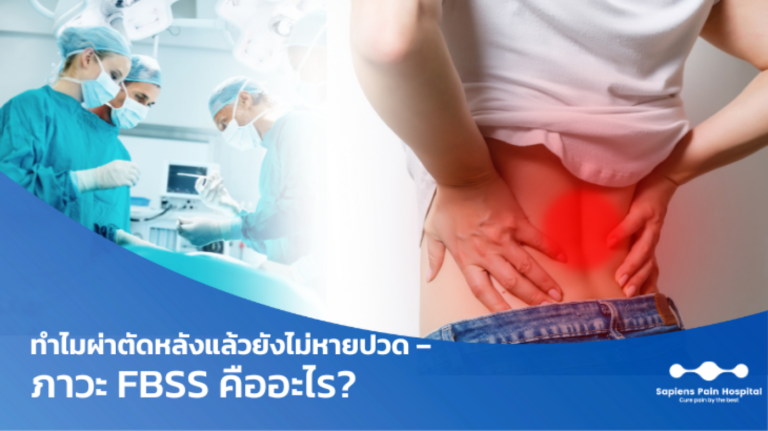
- PSPS Type 2 / FBSS: Persistent Spinal Pain Syndrome Type 2 / Failed Back Surgery Syndrome with chronic intractable low back and lower extremity radicular pain
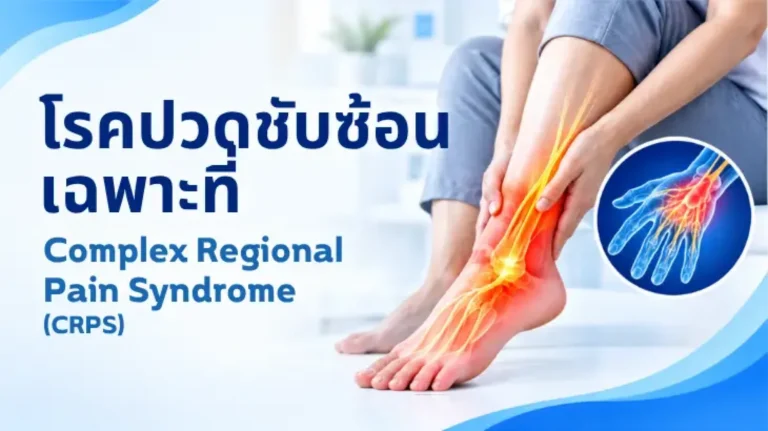
- Complex Regional Pain Syndrome (CRPS): CRPS Type I and Type II involving severe autonomic nervous system dysregulation
- Painful Diabetic Neuropathy (PDN): Refractory neuropathic pain secondary to diabetic peripheral neuropathy
- Chronic Ischemic Limb Pain: Severe chronic extremity pain secondary to peripheral arterial occlusive disease not amenable to revascularization
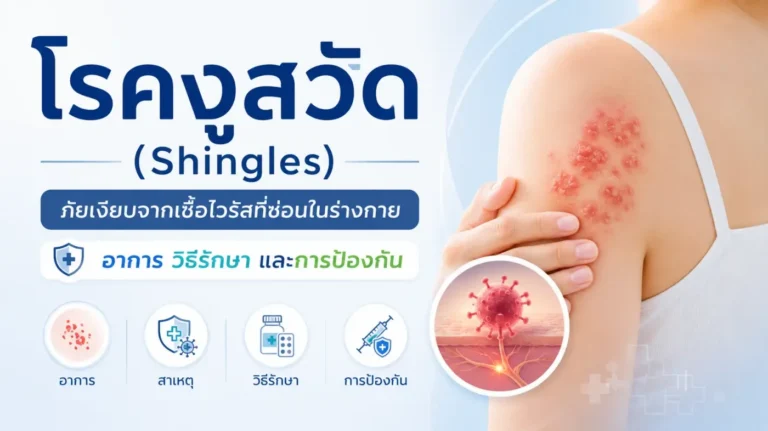
- Other Neuropathic Pain Syndromes: Postherpetic neuralgia (PHN), chronic lumbar/cervical radiculopathy, spinal arachnoiditis (Arachnoiditis), and refractory angina pectoris (Refractory Angina).
Procedure Protocol: The Advantage of a “Pre-Implantation Clinical Trial”
A distinctive hallmark of SCS therapy is the patient’s opportunity to undergo an empirical “Temporary Trial Phase” to evaluate real-world pain relief, functional improvement, and medication reduction prior to committing to permanent surgical implantation.
1. Temporary Trial Phase (5–7 Days)
- A pain specialist introduces percutaneous electrode leads via a Tuohy needle into the dorsal epidural space (Epidural space) under fluoroscopic guidance (Fluoroscopy) in a sterile operating room environment.
- The externalized leads are connected to an external neurostimulator trial controller worn on a belt.
- The patient returns home to test the therapy during routine activities of daily living, rest, and mobility for 5 to 7 days, maintaining a meticulous daily log of pain scores (VAS/NRS), sleep quality, and analgesic intake.
- Criteria for Successful Trial: Patients who achieve ≥50% reduction in baseline pain scores, clinically meaningful improvement in sleep and functional capacity, and reduction in oral analgesics are designated candidates eligible for permanent implantation.
2. Permanent Surgical Implantation
This is a minimally invasive procedure to fully internalize the stimulator hardware subcutaneously, comprising:
- Permanent electrode leads precisely anchored within the target epidural space.
- An Implantable Pulse Generator (IPG) housing the circuit architecture and battery, surgically placed within a subcutaneous pocket in the upper buttock, flank, or abdominal wall.
- Post-procedural Functionality: The patient operates a dedicated wireless handheld programmer or smartphone application to power the device on/off or adjust stimulation intensity and parameters based on postural variations.
Update on Waveform Technologies (2026)
- Tonic Stimulation (Conventional Mode): Emits continuous low-frequency pulses generating paresthesia that overlaps the painful dermatome; suitable for selective neuropathic distributions.
- High-Frequency Stimulation (10-kHz): Delivers ultra-high-frequency pulse trains directly blocking nociceptive signals without inducing any tingling sensation or mechanical vibration (subperception therapy).
- Burst Stimulation: Discharges clustered intermittent packets of high-frequency pulses mimicking natural physiological neuronal burst firing, simultaneously dampening nociception and mitigating the affective/emotional distress associated with intractable pain.
- Differential Target Multiplexed (DTM): A biomolecularly designed multiplexed waveform protocol specifically engineered to modulate neuro-glial interactions in patients with medically refractory chronic back and leg pain.
- Closed-Loop Spinal Cord Stimulation: Utilizes smart sensing architecture to measure real-time evoked compound action potentials (ECAPs) from the spinal cord, automatically adjusting current delivery on a real-time, microsecond basis. This prevents overstimulation or painful shocks caused by postural shifts, coughing, bending, or sneezing.
Clinical Comparative Analysis: “SCS Implantation” vs. “Spinal Revision Surgery”
In patients with persistent severe symptoms following spinal surgery, establishing accurate differential diagnosis and etiology is critical; diagnostic conclusions must not rely exclusively on static MRI imaging:
| Comparative Parameter | Spinal Revision Surgery (22.Spinal Cord Stimulation.pdf) | Spinal Cord Stimulation Therapy (SCS) (22.Spinal Cord Stimulation.pdf) |
| Primary Clinical Indications | • Indicated when an overt anatomical structural pathology is identified: loose or broken spinal hardware, severe gross spinal instability, pseudoarthrosis, major recurrent disc herniation, or acute cauda equina syndrome. | • Indicated when pain is predominantly neuropathic (Neuropathic pain) without actionable, surgically remedial compressive structural targets on MRI. • Patients who have undergone multiple back surgeries for whom major open reoperation carries unacceptable surgical morbidity. |
| Clinical Advantages and Highlights | • Directly corrects mechanical failure, structural instability, and hardware complications. | • Allows a reversible pre-implantation clinical trial to confirm therapeutic efficacy prior to permanent commitment. • Minimally invasive; does not alter, destabilize, or sacrifice native biomechanical spinal columns. • Reduces long-term opioid/analgesic dependence with superior long-term cost-effectiveness. |
These principles are underscored by landmark clinical trials by North et al., which established that: In patients with Failed Back Surgery Syndrome (FBSS) exhibiting chronic radicular extremity pain, Spinal Cord Stimulation provides superior pain relief, greater functional recovery, and more favorable cost-utility compared to repeated lumbosacral spine reoperation.
Medtronic Technology Updates in Thailand (2026)
In clinical practice in Thailand, modern SCS delivery is predominantly driven by Medtronic neuromodulation platforms, categorized into:
- Vanta: A non-rechargeable IPG platform well suited for elderly patients or individuals who prefer freedom from routine recharging regimens, providing an estimated battery service life of 5–7 years.
- Intellis: A low-profile rechargeable neurostimulator supporting diverse advanced waveforms including DTM stimulation, designed with rapid Overdrive recharge technology and a lifespan of approximately 8–10 years.
- Inceptiv: The next-generation rechargeable closed-loop neurostimulator (US-FDA approved), featuring onboard processing that measures real-time biological neural responses (ECAPs) to adjust stimulation automatically and instantaneously.
Advanced Safety Considerations and Clinical Complications
Precautions and Daily Living Directives
- Permitted Activities: Walking, light cardiovascular exercise, driving, mobile phone use, household appliances, and commercial air travel (patients should always carry their official medical implant identification card to present to airport security).
- Magnetic Resonance Imaging (MRI): Modern systems featuring SureScan technology allow full-body MRI conditional scans; however, the clinical team and radiology technicians must be notified, and the device placed into MRI Mode prior to entering the scanner bore.
- Critical Contraindication (Diathermy): Shortwave, microwave, and therapeutic ultrasound diathermy are strictly contraindicated. The electromagnetic energy emitted by diathermy equipment couples with the implanted conductive leads and generator, generating extreme thermal energy that can cause irreversible spinal cord thermal necrosis, permanent neural injury, or paraplegia.
Potential Clinical Complications
Although demonstrated to have an excellent safety profile in specialized hands, patients must be monitored for potential adverse events:
- Lead Migration (Incidence: 5–15%): The most common hardware complication, typically occurring in the early postoperative period secondary to excessive bending, twisting, or vigorous lifting before surgical fibrous encapsulation. It presents as altered paresthesia mapping or diminished therapeutic efficacy, managed via electronic reprogramming or surgical lead revision.
- Surgical Site Infection (Incidence: 2–10%): Most frequent during the first postoperative month. Clinical warning signs include erythema, warmth, localized swelling, purulent drainage, or systemic fever. Deep infections involving the hardware often necessitate temporary explantation.
- Cerebrospinal Fluid (CSF) Leak / Dural Puncture (Incidence: 0.3–2%): Secondary to accidental durotomy during epidural access. The hallmark presentation is a severe postural post-dural puncture headache (PDPH) that worsens when sitting or standing and resolves when lying flat, managed by bed rest, aggressive hydration, or an epidural blood patch.
- Long-Term Considerations: Generator pocket pain (Pocket pain, 5–17%, particularly in lean patients sleeping supine), hardware/component malfunction (2–8%), and long-term neuroplastic tolerance or habituation (Loss of efficacy, 10–30%), which can typically be overcome by waveform cycling or protocol reprogramming.
References
- Huygen FJPM, et al. Spinal Cord Stimulation vs Medical Management for Chronic Back and Leg Pain: A Systematic Review and Network Meta-analysis. JAMA Network Open. 2024.
- North RB, Kidd DH, Farrokhi F, Piantadosi SA. Spinal Cord Stimulation versus Repeated Lumbosacral Spine Surgery for Chronic Pain: A Randomized, Controlled Trial. Neurosurgery. 2005;56(1):98-106.
- North RB, Kidd DH, et al. Spinal Cord Stimulation versus Reoperation for Failed Back Surgery Syndrome: Cost-effectiveness and Cost-utility Analysis. Neurosurgery. 2007;61(2):361-369.
- Fishman M, et al. Twelve-Month Results from A Multicenter Randomized Clinical Trial Comparing Differential Target Multiplexed Spinal Cord Stimulation and Traditional Spinal Cord Stimulation in Subjects with Chronic Intractable Back Pain and Leg Pain. Pain Practice. 2021;21(8):912-923.
- Shanthanna H, et al. Evidence-based Consensus Guidelines on Patient Selection and Trial Stimulation for Spinal Cord Stimulation Therapy for Chronic Non-cancer Pain. Regional Anesthesia & Pain Medicine. 2023.
- Elliott T, et al. Spinal Cord Stimulation Guidelines and Consensus Statements: Systematic Review and AGREE-II Assessment. Neuromodulation. 2025.
- Kumar K, Taylor RS, Jacques L, et al. The Effects of Spinal Cord Stimulation in Neuropathic Pain are Sustained: A 24-Month Follow-up of the Prospective Randomized Controlled Multicenter Trial of the Effectiveness of Spinal Cord Stimulation. Neurosurgery. 2008;63(4):762-770.
- Kemler MA, de Vet HCW, et al. Effect of Spinal Cord Stimulation for Chronic Complex Regional Pain Syndrome Type I: Five-Year Final Follow-up of Patients in a Randomized Controlled Trial. Journal of Neurosurgery. 2008;108(2):292-298.
- Harke H, Gretenkort P, et al. Spinal Cord Stimulation in Sympathetically Maintained Complex Regional Pain Syndrome Type I with Severe Disability. European Journal of Pain. 2005;9(4):363-373.
- Deer TR, Mekhail N, Provenzano D, et al. The Appropriate Use of Neurostimulation: New and Evolving Neurostimulation Therapies and Applicable Treatment for Chronic Pain and Selected Disease States. Neuromodulation. 2014;17(6):599-615.
- Mekhail N, et al. Long-term Safety and Efficacy of Closed-loop Spinal Cord Stimulation to Treat Chronic Back and Leg Pain (Evoke Study). Neuromodulation. 2020.
- Amirdelfan K, et al. High-frequency Spinal Cord Stimulation at 10 kHz for the Treatment of Painful Diabetic Neuropathy: Results from a Randomized Controlled Trial. JAMA Neurology. 2021.
- Tesfaye S, et al. Spinal Cord Stimulation for Painful Diabetic Peripheral Neuropathy: A Systematic Review. Diabetes Care. 2022.
- Medtronic. Intellis™ Spinal Cord Stimulation System Clinical Information and Product Overview. 2024-2026.
- Medtronic. Vanta™ Neurostimulation System Product Information. 2024-2026.
- Medtronic. Inceptiv™ Closed-loop Spinal Cord Stimulation System Clinical Information. 2024-2026.
- Medtronic. SureScan™ MRI Technology for Spinal Cord Stimulation Systems. 2024-2026.
- Medtronic. Spinal Cord Stimulation Indications, Safety, and Warnings. 2024-2026.