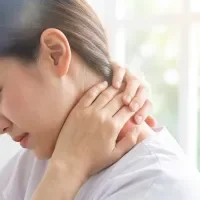
Cervicogenic Headache: Structural and Neurological Correlates
Many individuals suffering from chronic headaches often assume that the underlying etiology must originate from the brain, migraine disorder, or psychological stress[cite: 1]. In clinical reality, however, a substantial proportion of patients experience headaches arising from structural disorders of the cervical spine, including cervical facet joints, intervertebral discs, ligaments, muscles, or surrounding cervical nerves[cite: 1].
This condition is designated as Cervicogenic Headache[cite: 1]. Although the primary pathology resides within cervical musculoskeletal and neural structures, the central nervous system can project and perceive referred pain affecting the temporal region, periorbital area, or face[cite: 1]. This phenomenon occurs because cervical afferent fibers and trigeminal sensory pathways converge within the trigeminocervical complex at deeper neuroanatomical levels[cite: 1].
Q&A: Etiology and Pathophysiological Mechanisms
What is the most common cause?
Substantial clinical evidence indicates that the posterior cervical zygapophysial joints (Cervical Facet Joints), particularly at the C2–C3 level, represent one of the most prominent pain generators in this disorder[cite: 1]. In addition, the condition can co-occur with or be aggravated by several related factors[cite: 1]:
- Musculoskeletal trauma following motor vehicle accidents (Whiplash Injury)[cite: 1]
- Chronic myofascial pain syndrome (Myofascial Pain Syndrome)[cite: 1]
- Irritation or neuropathy of the occipital nerves (Occipital Nerve)[cite: 1]
- Cervical disc degeneration or cervical disc herniation with radicular nerve root compression[cite: 1]
- Age-related cervical spondylosis[cite: 1]
Clinical Presentation and Overlapping Syndromes
The clinical manifestations of Cervicogenic Headache exhibit distinct characteristics and commonly involve multi-system signs[cite: 1]:
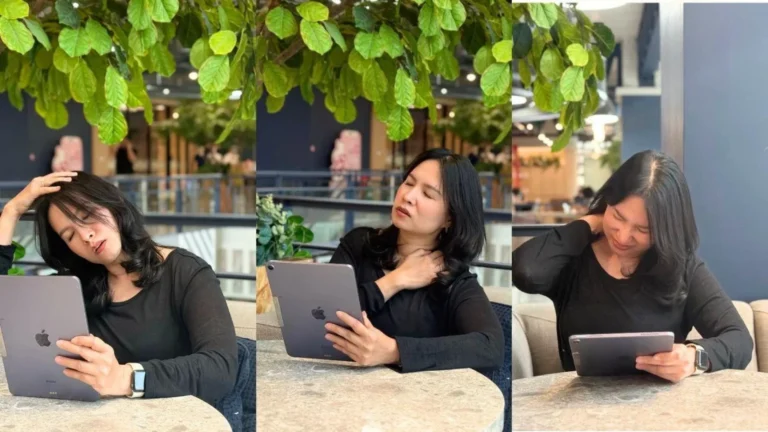
- Pain Distribution Pattern: Pain typically originates in the posterior cervical or occipital region before radiating rostrally to the temple, retroauricular area, periorbital/retro-orbital space, or presenting predominantly as a unilateral hemicrania[cite: 1].
- Provocative Factors: Pain exacerbations correlate directly with cervical mechanical movements and sustained postures, such as cervical rotation, neck extension, prolonged sedentary desk work, sustained driving, or persistent forward head carriage during smartphone use[cite: 1].
- Concomitant Dizziness (Cervicogenic Dizziness): Selected patients report persistent lightheadedness, non-rotational vertigo, postural dysequilibrium, gait unsteadiness, or motion sickness-like sensations[cite: 1].
- Associated Manifestations: Additional findings may include aural fullness, ear pressure, tinnitus (Tinnitus), temporomandibular joint/jaw pain, facial pain, or disrupted sleep architecture characterized by nocturnal awakenings due to severe suboccipital discomfort[cite: 1].
Given the marked symptomatic overlap with other cranial and otological pathologies, these cases are frequently misdiagnosed for years as inner ear disorders, temporomandibular joint dysfunction, or primary migraine headaches[cite: 1].
)
Q&A: Differentiation from Migraine and Diagnostic Evaluation
How does it differ from migraine?
While both clinical entities share overlapping features—such as unilateral cranial pain, nausea, and sensory hyperreactivity including photophobia and phonophobia—the fundamental distinction is that Cervicogenic Headache predominantly begins in the cervical or suboccipital regions and is predictably provoked by mechanical neck movements or sustained postures[cite: 1]. Nonetheless, in clinical practice, patients may exhibit concurrent migraine and cervicogenic headache, compounding diagnostic complexity[cite: 1].
Diagnostic Workup and Limitations of MRI
Diagnosis primarily relies on detailed clinical history taking and focused physical examination assessing cervical range of motion, palpatory tenderness, and provocation of referred pain[cite: 1].
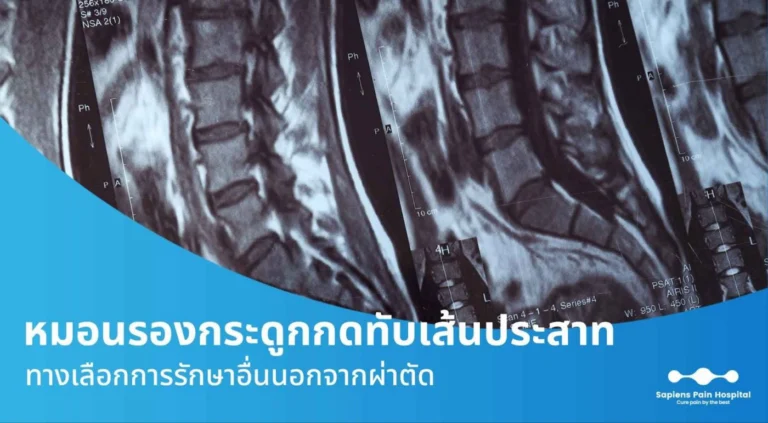
Clinical Caveat Regarding MRI: An unremarkable cervical spine MRI does not exclude a diagnosis of Cervicogenic Headache[cite: 1]. Micro-instability, intra-articular facet joint dysfunction, small neural entrapments, and deep paraspinal muscle spasms often cannot be adequately delineated on routine static cross-sectional imaging[cite: 1]. Accordingly, when clinical suspicion is high, interventional specialists utilize targeted diagnostic local anesthetic nerve blocks (Diagnostic Blocks) to definitively confirm the anatomical pain generator[cite: 1].
Clinical Step-by-Step Management
1. Conservative Management and Ergonomic Modification
- Postural Correction (Posture correction): Mitigating sustained cervical flexion (“text-neck” syndrome) and optimizing ergonomic workplace seating arrangements[cite: 1].
- Physical Therapy and Rehabilitation: A cornerstone therapeutic strategy aimed at strengthening cervical deep flexors and scapular stabilizers while restoring functional cervical facet joint range of motion[cite: 1].
2. Pharmacotherapy
- Acute Phase / Exacerbations: Short-term administration of non-steroidal anti-inflammatory drugs (NSAIDs) such as Ibuprofen, Diclofenac, Naproxen, Celecoxib, or Etoricoxib, combined with centrally acting muscle relaxants such as Orphenadrine[cite: 1].
- Chronic Pain Phase: Transition to neuromodulating agents—specifically Gabapentin, Pregabalin, or Mirogabalin—to mitigate neuropathic components while avoiding prolonged gastrointestinal, renal, hepatic, and cardiovascular risks associated with extended NSAID and muscle relaxant use[cite: 1].
3. Interventional Pain Management (Pain Intervention)
When pain progresses to a chronic stage, becomes refractory to conservative medical therapy, or severely impacts quality of life, targeted pain interventions should be considered[cite: 1]:
- Diagnostic Medial Branch Block: Fluoroscopically or ultrasonographically guided local anesthetic infiltration targeting the sensory medial branches of the cervical dorsal rami to verify the implicated facet joints[cite: 1].
- Radiofrequency Ablation (RFA): In patients demonstrating clinically significant relief following diagnostic blockade, thermal radiofrequency neurotomy can denature the afferent articular nerve supply, providing prolonged pain relief lasting from several months to beyond a year[cite: 1].
- Greater Occipital Nerve Block (GON Block): In individuals presenting with marked suboccipital and radiating retro-orbital pain, perineural anesthetic and anti-inflammatory infiltration around the greater occipital nerve rapidly downregulates sensory transmission and suppresses nociceptive input[cite: 1]. This intervention provides therapeutic efficacy across Cervicogenic Headache, Occipital Neuralgia, and intractable migraine presentations[cite: 1].
References
- Bogduk N. Cervicogenic Headache: Anatomic Basis and Pathophysiologic Mechanisms. Curr Pain Headache Rep. 2001;5(4):382-386.[cite: 1]
- Bogduk N. On Cervicogenic Headache and Cervical Facet Joint Pain. Curr Pain Headache Rep. 2014;18:411.[cite: 1]
- International Headache Society. The International Classification of Headache Disorders, 3rd Edition (ICHD-3). Cephalalgia. 2018;38(1):1-211.[cite: 1]
- Lord SM, Barnsley L, Wallis BJ, Bogduk N. Chronic Cervical Zygapophysial Joint Pain After Whiplash. Spine. 1996;21(15):1737-1745.[cite: 1]
- Cohen SP, Doshi TL, Constantinescu OC, et al. Effectiveness of Cervical Facet Joint Blocks and Radiofrequency Neurotomy. Reg Anesth Pain Med. 2022;47(1):3-59.[cite: 1]
- Vincent MB. Cervicogenic Headache: Clinical Evaluation, Diagnostic and Therapeutic Aspects. Curr Pain Headache Rep. 2010;14(6):447-450.[cite: 1]
- Reid SA, Rivett DA. Manual Therapy Treatment of Cervicogenic Dizziness: A Systematic Review. Man Ther. 2005;10(1):4-13.[cite: 1]
- Inam AMH, Khan AR, Khan A, Iqbal MJ. Neck Pain Management: Current Trends, Future Directions, and Research Priorities. Cuest Fisioter. 2024;53(3):1787-1804.[cite: 1]