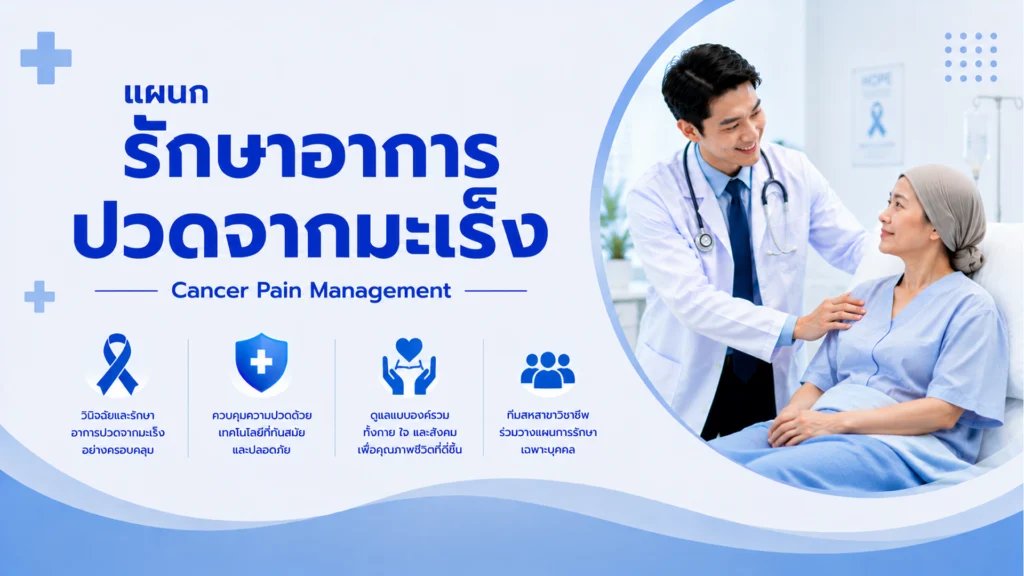
Cancer pain management is a comprehensive approach aimed at relieving pain, maintaining function, and improving quality of life throughout the course of cancer care.
The Cancer Pain Management Department at Sapiens Hospital provides assessment and treatment for patients experiencing pain associated with cancer or its treatment. Pain can occur at any stage of the disease, including before diagnosis, during cancer treatment, during survivorship, or in advanced stages of illness. The severity and mechanism of pain can vary considerably among patients and may affect physical function, sleep, emotional well-being, and overall quality of life. Effective pain management is therefore an important component of supportive and palliative care and may be provided alongside active cancer treatment.
Causes of Pain in Patients with Cancer
1. Pain Caused by the Cancer Itself
- Tumor growth may compress or invade surrounding organs, bones, soft tissues, or nerves.
- Cancer may spread to other areas, particularly the bones or nervous system, resulting in persistent or severe pain.
- Inflammatory substances released by cancer cells and surrounding tissues may contribute to pain and increased sensitivity.
2. Pain Related to Diagnosis and Cancer Treatment
- Diagnostic procedures: procedures such as biopsy may cause temporary procedural pain.
- Chemotherapy-related pain: some anticancer medicines may cause chemotherapy-induced peripheral neuropathy, resulting in burning pain, tingling, numbness, or increased sensitivity in the hands and feet.
- Radiotherapy-related pain: radiation may cause inflammation, skin or soft-tissue injury, or delayed changes that can contribute to pain.
- Postsurgical pain: pain may arise from the surgical wound, scar tissue, or nerve injury and can occasionally persist after procedures such as breast, thoracic, abdominal, or other cancer surgery.
3. Pain Unrelated to Cancer
- Patients with cancer may also experience other common pain conditions, such as osteoarthritis, degenerative spine disease, migraine, or other musculoskeletal and neurological disorders.
Impact of Cancer Pain
- Physical impact Pain can interfere with sleep, mobility, appetite, physical activity, and daily function, and may contribute to fatigue or reduced tolerance of cancer treatment.
- Psychological impact Persistent pain may increase stress, anxiety, sleep disturbance, and depressive symptoms.
- Family and social impact Pain may increase the burden on caregivers and affect relationships, work, and participation in family or social activities.
- Economic impact Long-term treatment, caregiving requirements, and time away from work may create financial burdens for patients and families.

Treatment Approaches for Cancer Pain
1. Pharmacological Management
Medication is selected according to pain intensity, pain mechanism, previous treatments, organ function, cancer treatment, and the individual patient’s condition. Principles derived from the WHO analgesic approach can help guide treatment, although therapy does not always need to progress through rigid steps.
- Mild pain may be treated with non-opioid analgesics such as acetaminophen or NSAIDs when appropriate and not contraindicated.
- Moderate to severe pain may require opioid analgesics. The specific opioid, dose, formulation, and route are selected according to the patient’s condition and clinical response.
- Severe or persistent cancer pain may be treated with medicines such as morphine, fentanyl, oxycodone, or methadone in appropriately selected patients under medical supervision.
Common opioid-related adverse effects can include constipation, nausea, vomiting, drowsiness, dizziness, and other symptoms. Some effects such as nausea or drowsiness may improve after dose stabilization, whereas constipation often requires ongoing prevention and treatment.
Adjuvant medications may also be used according to the pain mechanism, including:
- Neuropathic pain medications such as Gabapentin or Pregabalin for selected patients with nerve-related pain.
- Certain antidepressants such as Amitriptyline, Nortriptyline, or Duloxetine may be considered for selected neuropathic pain conditions.
- Corticosteroids may be used in selected situations to reduce inflammation, edema, or symptoms related to tumor compression.
- Bone-targeted therapy such as Bisphosphonates or Denosumab may be used in appropriate patients with bone metastases according to the oncology treatment plan.
2. Nonpharmacological Treatment
Non-drug treatments may be used together with medication to improve pain control, function, and quality of life.
- Interventional Pain Management
- Nerve blocks or neurolytic procedures, such as Celiac Plexus Block or Celiac Plexus Neurolysis, may be considered for selected patients with upper abdominal or back pain, particularly in pancreatic and some upper abdominal cancers.
- Intrathecal drug delivery may be considered for carefully selected patients with severe cancer pain that remains inadequately controlled or causes unacceptable adverse effects with systemic medication.
- Cordotomy is a highly specialized procedure that may be considered in selected patients with severe refractory cancer pain, particularly when pain is predominantly one-sided and other treatment options are insufficient.
- Physical rehabilitation may include appropriately selected physical therapy, mobility training, positioning, and gentle exercise.
- Psychological support may include counseling, Cognitive Behavioral Therapy (CBT), relaxation techniques, and mindfulness-based approaches.
- Complementary approaches such as acupuncture may help some patients as an adjunct to standard care. Herbal products and supplements should be discussed with the oncology team because they may interact with cancer medicines or other treatments.
Cancer pain is complex and may involve several pain mechanisms at the same time. Effective treatment therefore often requires a multidisciplinary approach combining cancer treatment, analgesic medication, rehabilitation, psychological support, palliative care, and selected interventional procedures. The goal is not only to reduce pain but also to help patients maintain function, dignity, independence, and the best possible quality of life.
Cancer Pain Management Department Services
- Individualized pain medication treatment is adjusted according to pain severity, pain mechanism, previous treatment, and the patient’s overall condition.
- Neurolytic nerve block selected procedures using medication or neurolytic agents may be considered when pain arises from specific nerve pathways or plexuses affected by cancer.
- Radiofrequency procedures may be considered for selected cancer patients when a specific nerve or pain-generating structure has been identified and the procedure is clinically appropriate.
Frequently Asked Questions (FAQ)
1. Does cancer pain occur only in advanced or terminal cancer?
No. Pain can occur at any stage of cancer, including before diagnosis, during active treatment, after surgery or radiotherapy, and in advanced disease. Pain should therefore be assessed and treated early rather than waiting until it becomes severe.
2. Will morphine or other opioids used for cancer pain cause addiction?
Opioids can cause physical dependence and carry risks including misuse and opioid use disorder, so they should be prescribed and monitored carefully. However, these medicines can be appropriate and important for moderate to severe cancer pain when the expected benefits outweigh the risks. Patients should not stop long-term opioid treatment suddenly without medical advice.
3. What if pain medication does not provide enough relief?
Additional options may be available depending on the cause and location of the pain. These can include nerve blocks, neurolytic procedures, intrathecal drug delivery, radiotherapy, surgery, rehabilitation, or other interventional pain treatments selected after specialist assessment.
4. Can acupuncture, meditation, or other non-drug approaches help?
Some patients may benefit from complementary approaches such as acupuncture, relaxation techniques, psychological therapy, or mindfulness as part of a comprehensive treatment plan. These approaches should support rather than replace evidence-based cancer and pain treatment.
5. Do opioid side effects improve over time?
Some effects, such as nausea or drowsiness, may decrease after the body adjusts to treatment or after the dose is modified. Constipation commonly persists and usually requires preventive management throughout opioid treatment. Patients should inform their healthcare team about troublesome side effects so treatment can be adjusted appropriately.