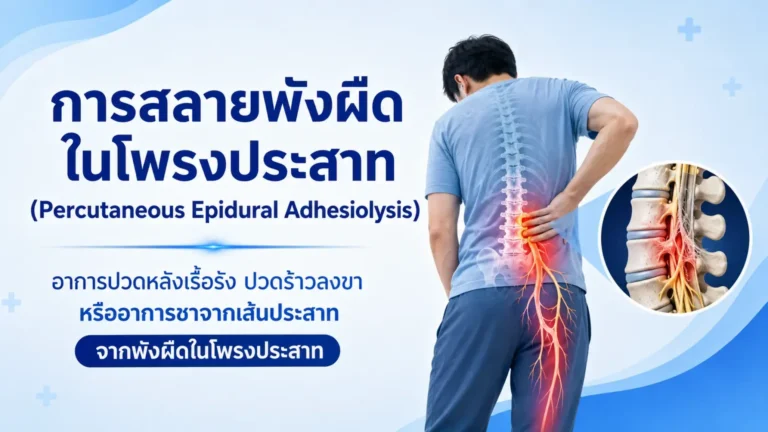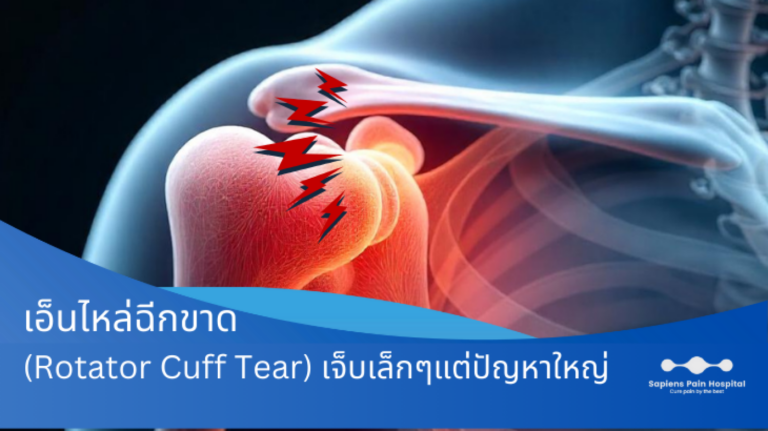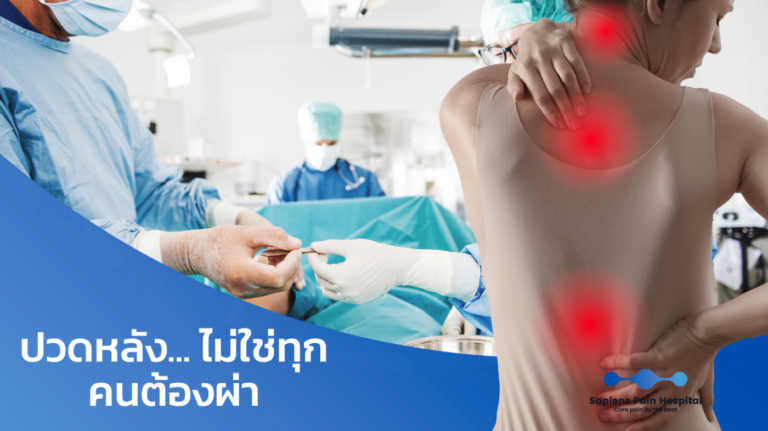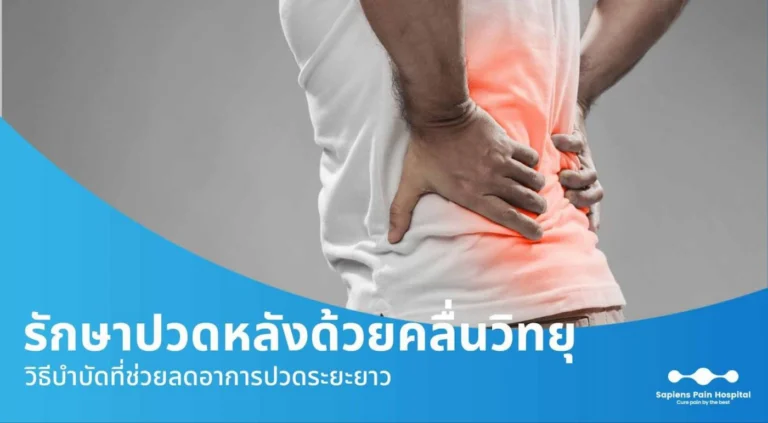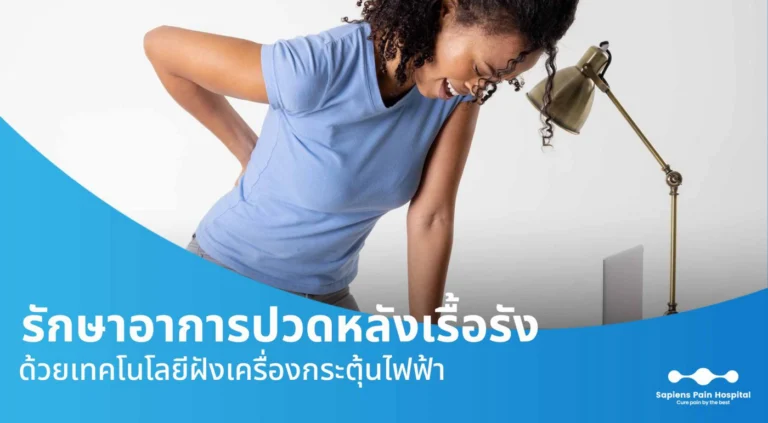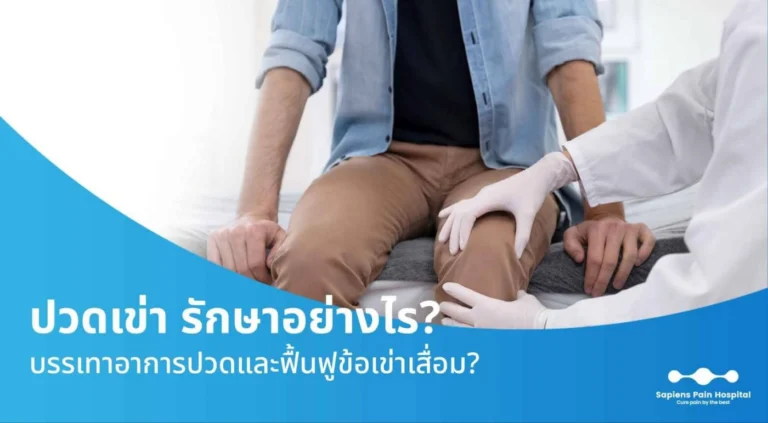
Back pain and neck pain, which may sometimes extend to the shoulder, are symptoms involving structures around the spine. They may result from minor muscle strains caused by twisting incorrectly, playing sports, or sitting for long periods. These conditions may be treated with pain medication, muscle relaxants, or physical therapy.
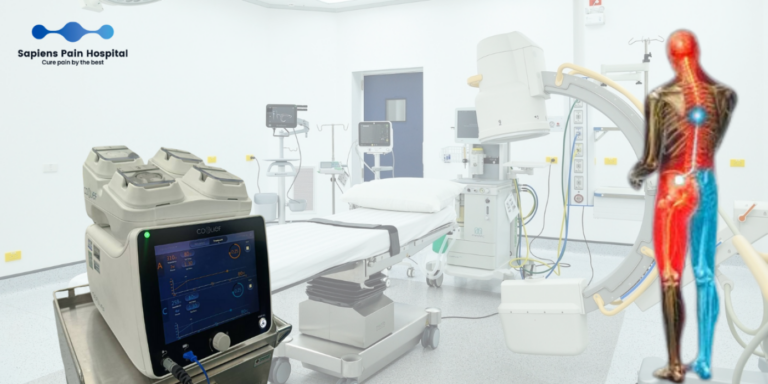
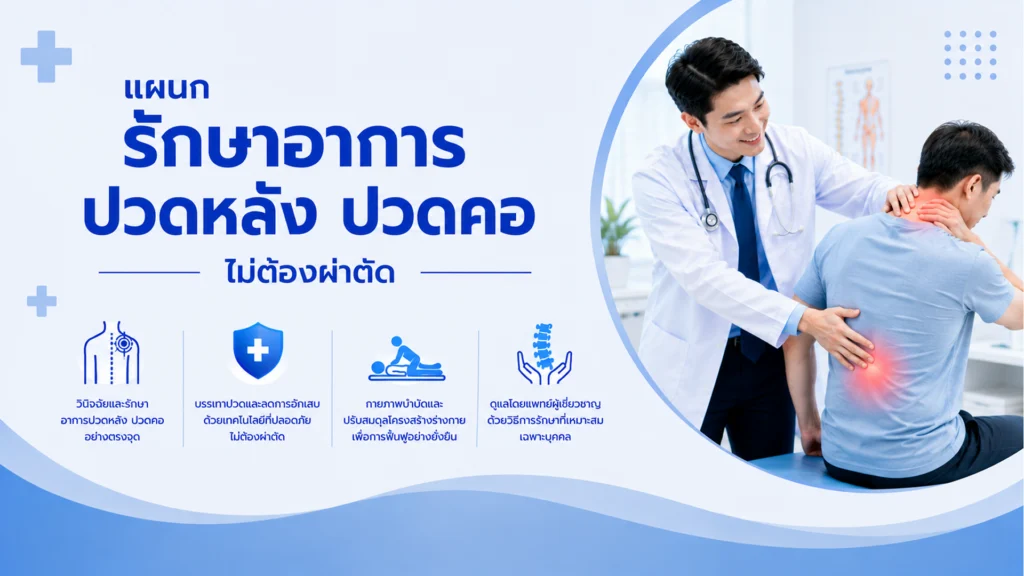
The Back and Neck Pain Treatment Department at Sapiens Hospital provides diagnosis and treatment for patients with chronic pain related to degenerative changes of the spine or cervical spine, including conditions in which spinal structures irritate or compress nearby nerves. Symptoms are commonly associated with increasing age, prolonged sitting and working posture, frequent smartphone use, excess body weight, and insufficient regular exercise. Sapiens Hospital provides both non-surgical and surgical treatment options according to the patient’s condition, including spinal injections, radiofrequency procedures, rehabilitation, and surgery when clinically indicated.
Types of Back and Neck Pain
Back and neck pain can be classified according to three main locations:
- Upper Back Pain or Neck Pain
- Mid Back Pain
- Low Back Pain
Back pain lasting less than 3 months is generally classified as Acute Back Pain, while pain persisting for more than 3 months is considered Chronic Back Pain.
Causes of Back and Neck Pain
- Spondylogenic Back Pain – pain arising from spinal structures such as the vertebrae, intervertebral discs, ligaments, or spinal joints.
- Viscerogenic Back Pain – referred pain originating from organs in the chest or abdomen, such as the esophagus, pancreas, kidneys, or uterus.
- Vasculogenic Back Pain – pain referred from major blood vessels in the chest or abdomen, such as an aortic aneurysm or aortic dissection, which may represent a medical emergency.
- Neurogenic Back Pain – pain related to abnormalities of the nervous system, such as spinal cord tumors, compression of the spinal cord, nerve sheath tumors, or nerve inflammation.
- Psychogenic Back Pain – physical pain in which psychological, emotional, or behavioral factors may contribute to, intensify, or prolong the symptoms.
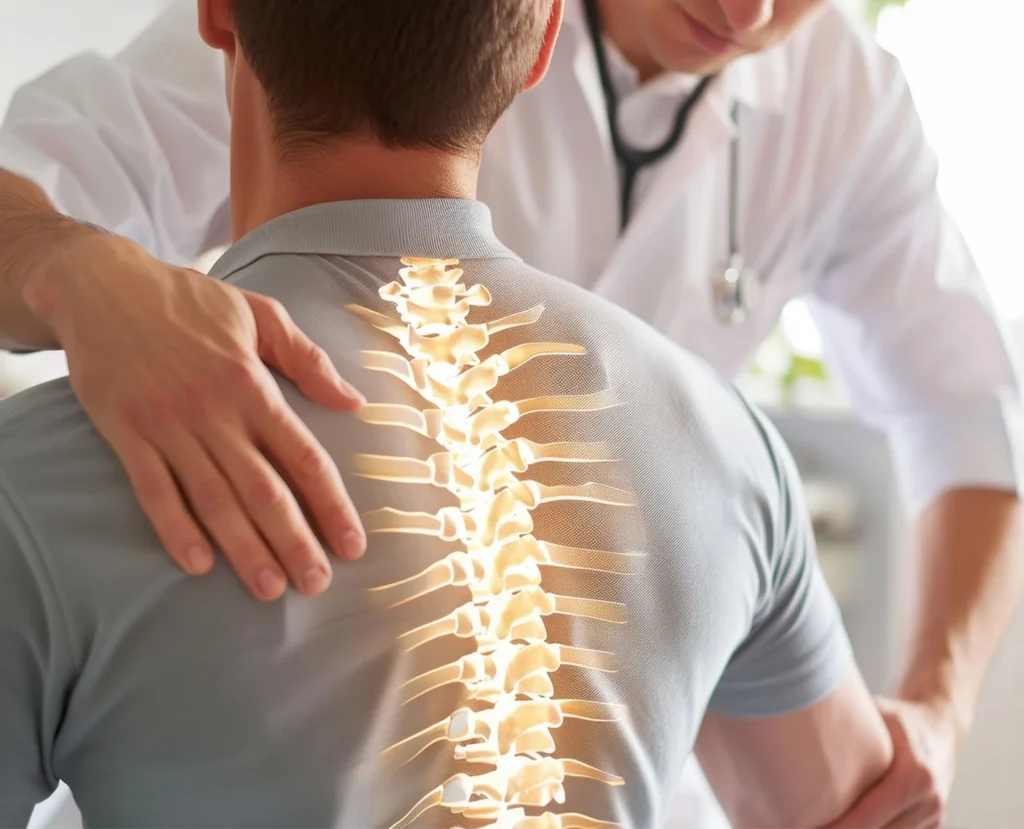
Specific underlying causes may include:
- Congenital Anomaly – such as scoliosis.
- Trauma – including accidents, sports injuries, occupational injuries, prolonged poor posture, or spinal fractures.
- Tumor or Cancer – particularly when associated with unexplained weight loss or other concerning symptoms.
- Infectious or Inflammatory Conditions – such as ankylosing spondylitis, rheumatoid arthritis, or infection involving the spine or intervertebral discs.
- Degenerative Conditions – such as degenerative or herniated discs compressing nerves, facet joint degeneration, spinal stenosis, or osteoporosis.
Common Symptoms According to Location
- Acute neck or back pain associated with movement, activity, or posture (Mechanical Back Pain) – commonly originates from the spine and surrounding muscles. Symptoms often gradually improve within 4–6 weeks with appropriate activity modification, hot or cold compresses, medication, and physical therapy. If pain radiates into the arms or legs and is accompanied by numbness or weakness, nerve involvement such as Sciatica may be present and medical assessment is recommended.
- Chronic neck pain radiating to the shoulder or associated with headache – symptoms related to prolonged sitting, neck flexion or extension, driving, or sleeping posture may be associated with cervical degeneration or Cervical Facet Joint Pain, particularly when symptoms do not respond adequately to medication or physical therapy.
- Chronic lower back pain radiating to the hip or buttock – pain related to prolonged sitting, bending, extending the back, or driving may be associated with Discogenic Back Pain, Lumbar Facet Joint Pain, or Sacroiliac Joint Pain.
Diagnostic Evaluation
- X-ray
- CT Scan
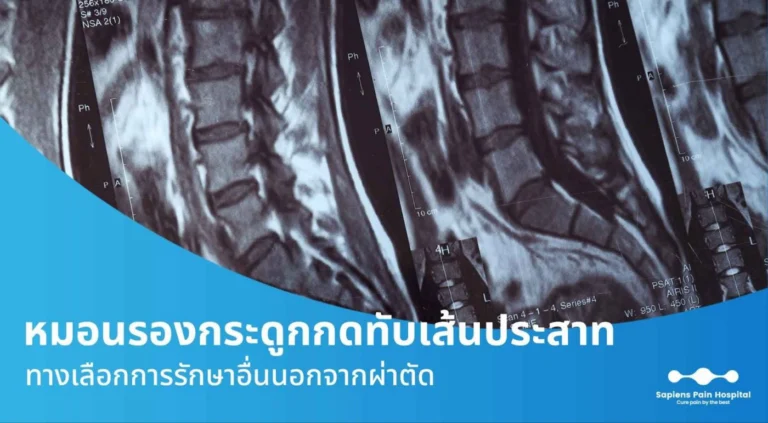
- MRI Scan
- Electrodiagnosis (EMG) – an examination used to assess peripheral nerve and muscle function.
- Blood Test – may be used when infection or inflammatory disease involving the spine is suspected.
Treatment Approaches
- Medication – treatment may include paracetamol, NSAIDs such as Ibuprofen, Naproxen, Celecoxib, or Etoricoxib; anticonvulsant medications such as Gabapentin, Pregabalin, or Mirogabalin; antidepressants such as Amitriptyline, Nortriptyline, or Duloxetine; and muscle relaxants as appropriate.
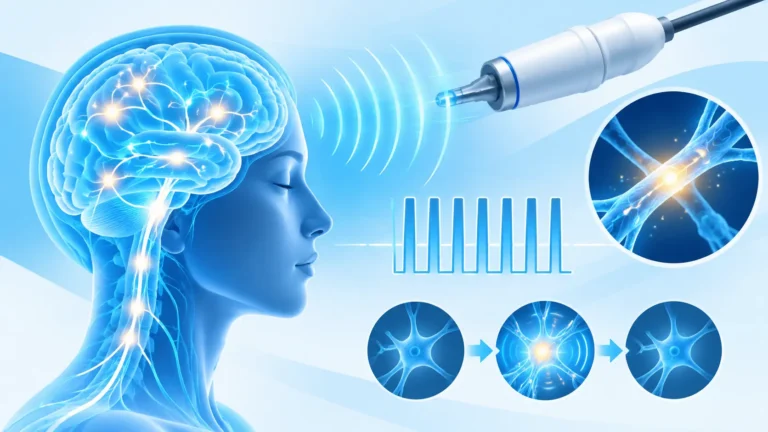
- Physical Therapy – may include heat therapy, therapeutic ultrasound, electrical stimulation, massage, High-Power Laser Therapy, Shockwave Therapy, and modification of neck and back posture during daily activities.
- Lifestyle Modification – including weight management, smoking cessation, avoiding inappropriate heavy lifting, and strengthening the core muscles supporting the neck and back.
- Spinal Intervention – may include Cervical or Lumbar Epidural Steroid Injection, Cervical or Lumbar Facet Joint Injection, Radiofrequency Neurotomy of the Cervical/Thoracic/Lumbar Medial Branch, Sacroiliac Joint Injection, and Cooled or Conventional Radiofrequency Neurotomy of the Sacral Lateral Branch, depending on the source of pain and clinical indication.
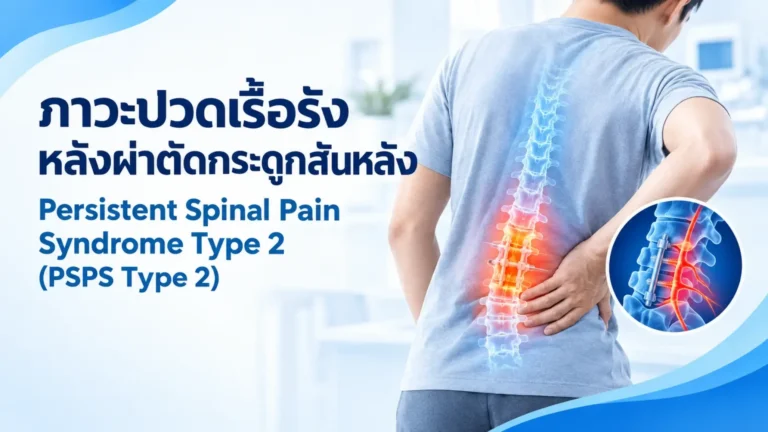
- Surgery – may be considered when appropriate non-surgical treatments do not provide sufficient improvement or when there is a specific surgical indication.
Back and Neck Pain Treatment Services
- Epidural Steroid Injection – for selected patients with inflammation or irritation of spinal nerve roots.
- Radiofrequency Treatment – used to reduce pain signals from selected sensory nerves associated with spinal pain.
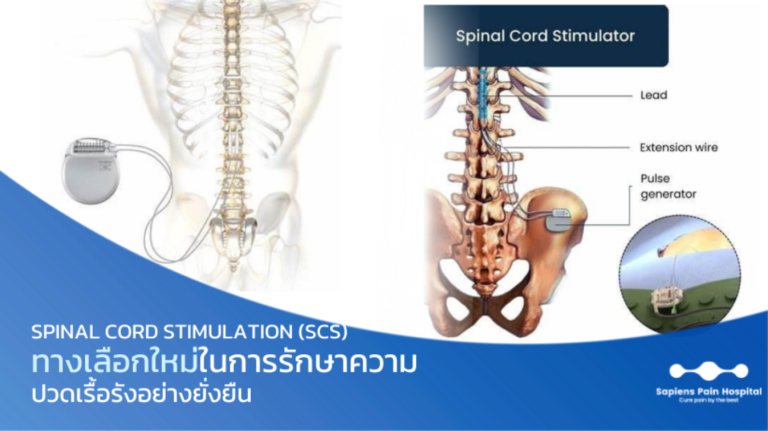
- Spinal Cord Stimulation – for selected patients with chronic pain that has not responded adequately to other treatments.
- Endoscopic or Minimally Invasive Spine Surgery – for patients who require surgical treatment after appropriate evaluation.