Obstetrics and Gynecology Department
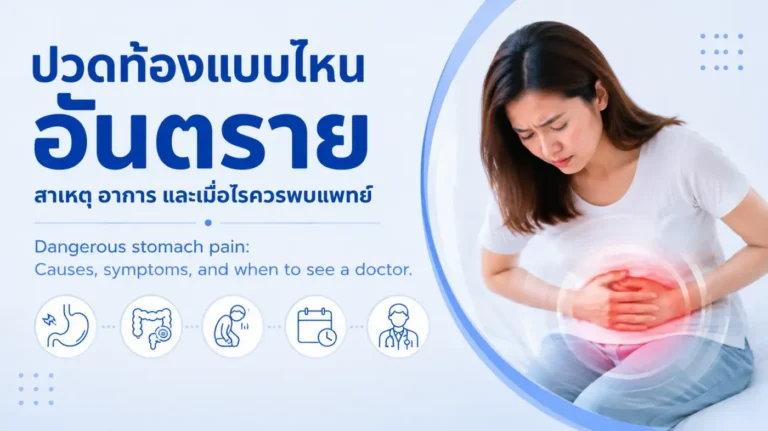
Provides care for women’s health and the evaluation of pelvic and lower abdominal pain, which may be associated with gynecological conditions, menstrual problems, urinary tract disorders, sexually transmitted infections, ovarian cysts, and other conditions.
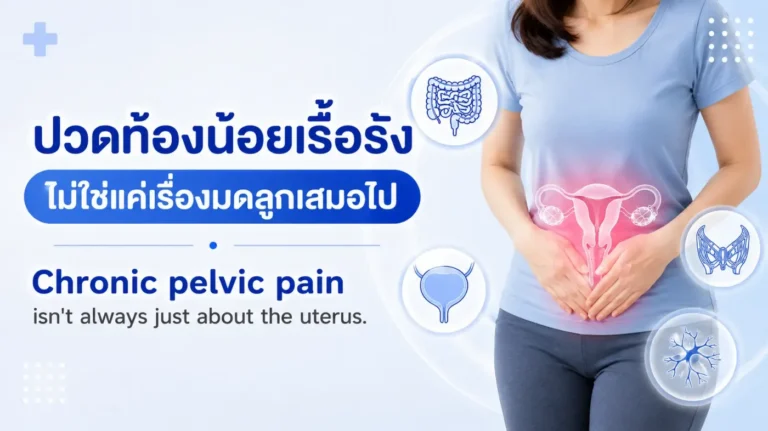
The Obstetrics and Gynecology Department at Sapiens Hospital provides evaluation and treatment for chronic pelvic pain, generally referring to persistent or recurrent pain in the lower abdomen or pelvic area lasting for approximately 6 months or longer. In women, pelvic pain may be related to the reproductive system, although gastrointestinal, urinary, musculoskeletal, or neurological conditions may also contribute. The doctor will take a detailed medical history and perform appropriate examinations to identify possible causes before developing an individualized treatment plan. The department also provides assessment and treatment for vaginal wall prolapse, including anterior-posterior vaginal repair when clinically appropriate.
Obstetrics and Gynecology Services
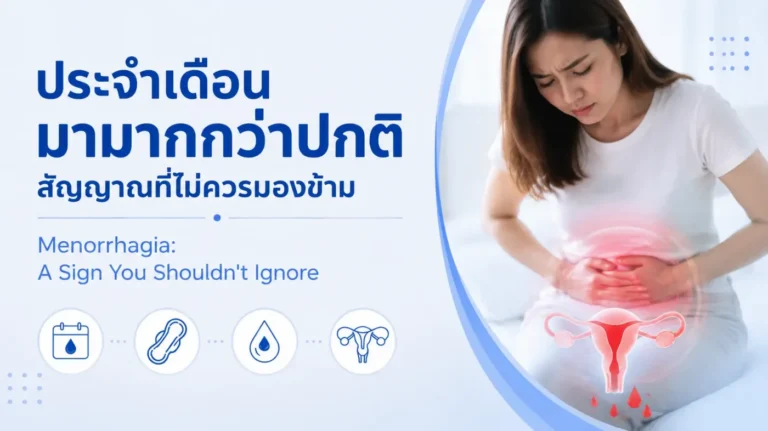
- Evaluation and treatment of menstrual pain and abnormal menstruation using medication or other appropriate treatment depending on the underlying cause
- Vaginal repair (Anterior-Posterior Vaginal Repair) for appropriately selected patients with vaginal wall or pelvic organ prolapse
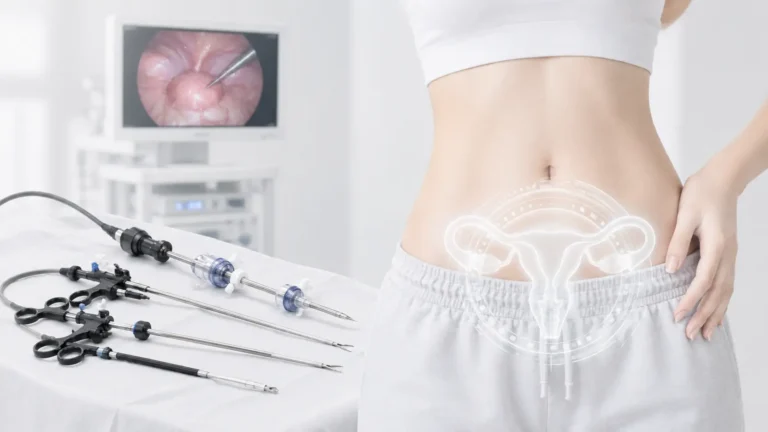
- Minimally invasive gynecologic surgery for selected conditions such as uterine fibroids, ovarian cysts, endometriomas, and pelvic adhesions
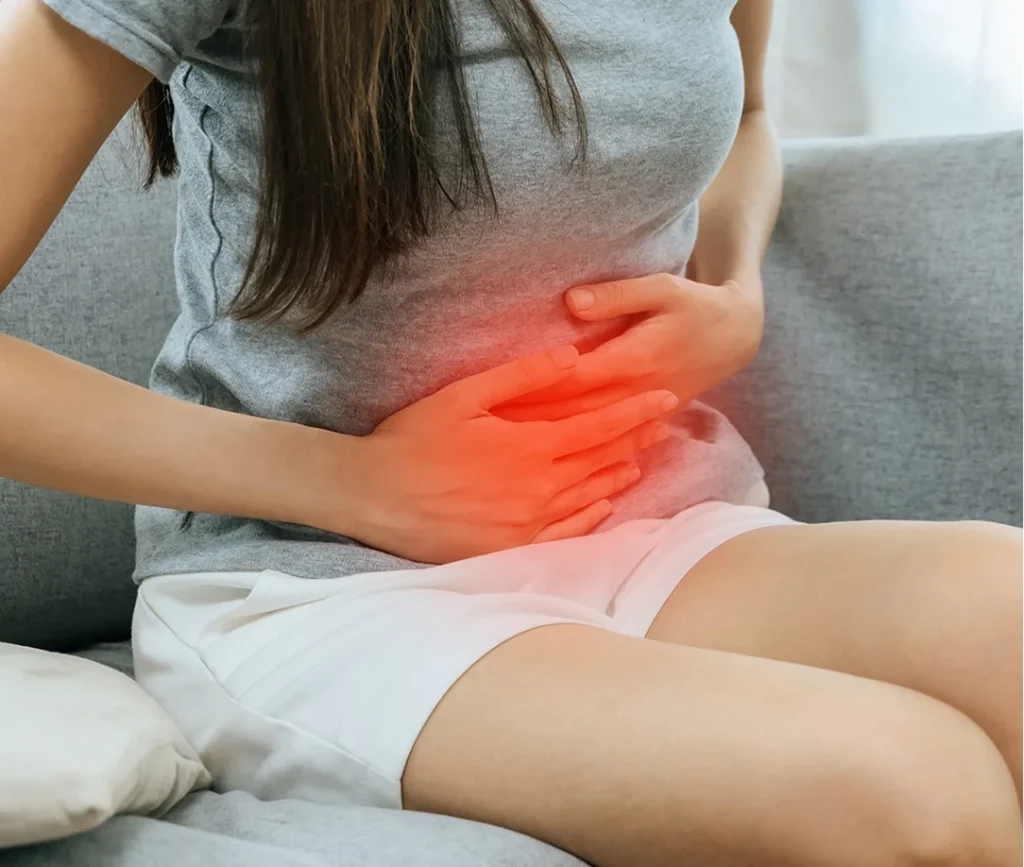
Conditions Evaluated and Treated by the Obstetrics and Gynecology Department at Sapiens Hospital
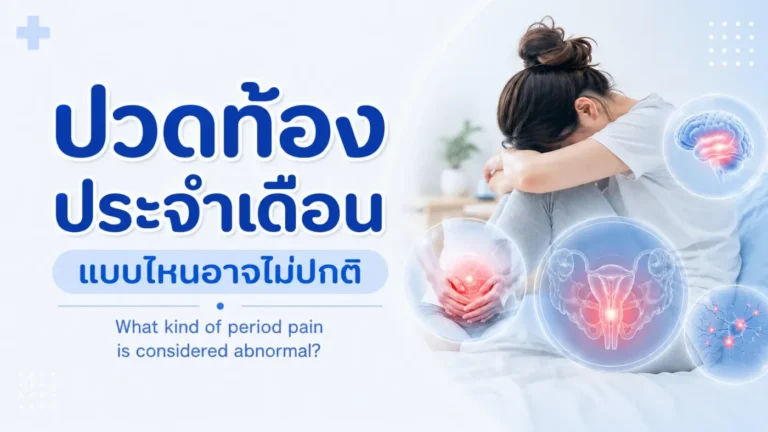
- Severe menstrual pain menstrual pain that significantly interferes with daily activities
- Unusual or abnormal menstrual pain pain that differs from the usual menstrual pattern and should be evaluated for an underlying cause
- Uterine fibroids common benign growths of the uterus that may cause symptoms in some patients
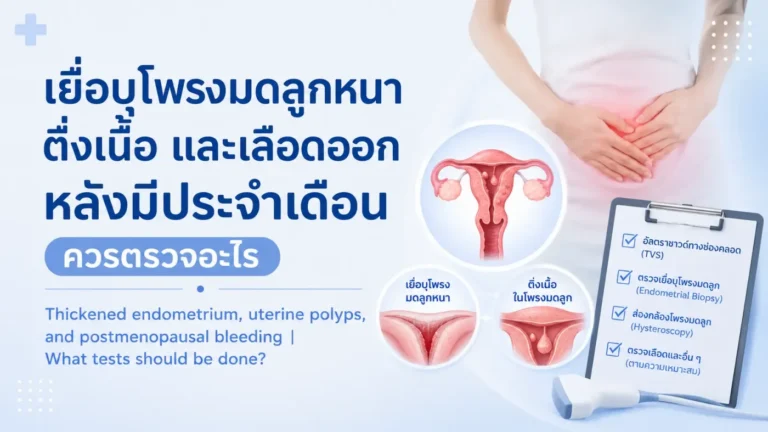
- Endometrial thickening abnormal thickening of the uterine lining that may be associated with abnormal uterine bleeding
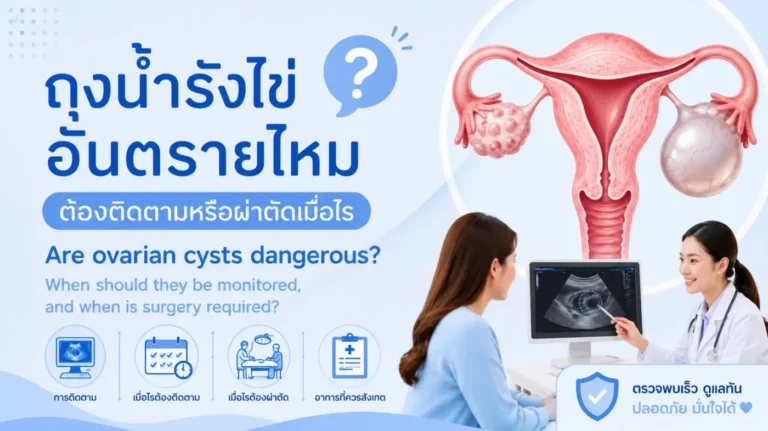
- Ovarian cysts evaluation of the characteristics, symptoms, and risk associated with ovarian cysts and appropriate follow-up
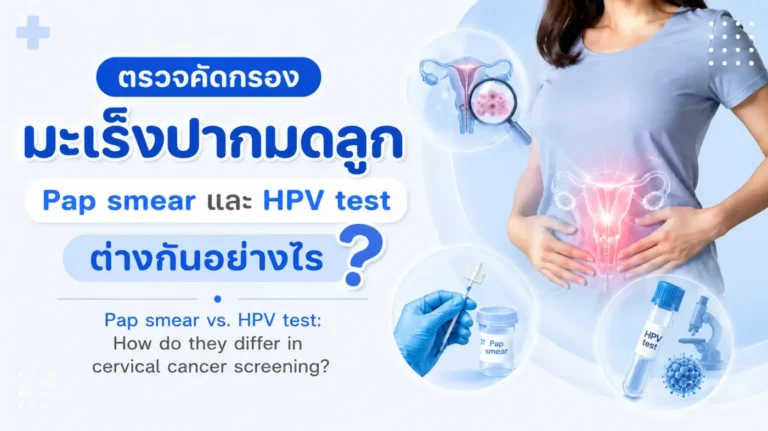
- Cervical cancer screening screening to identify cervical abnormalities and precancerous changes at an early stage
- HPV vaccination vaccination against HPV types responsible for many cervical cancers and several other HPV-related diseases
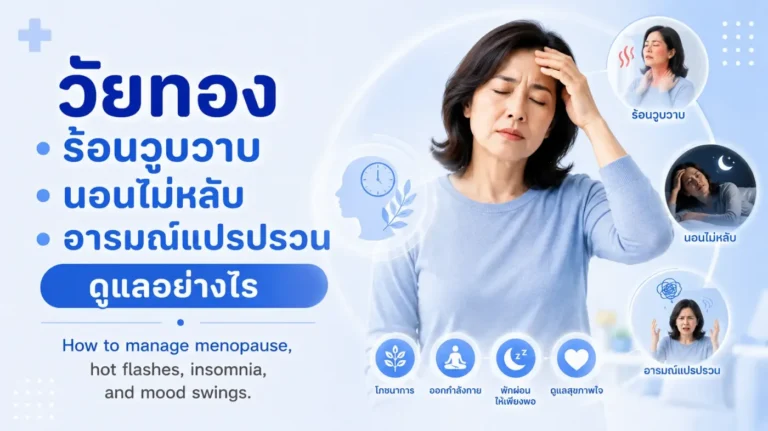
- Menopause evaluation and management of symptoms associated with hormonal changes during the menopausal transition
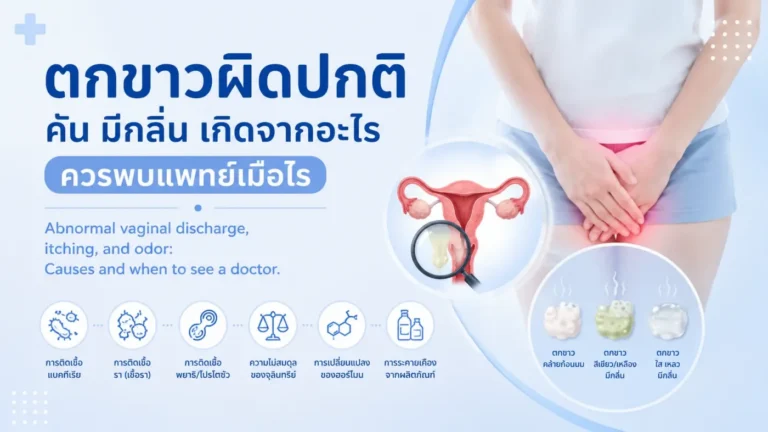
- Abnormal vaginal discharge evaluation to identify possible causes of changes in vaginal discharge
Causes of Pelvic and Lower Abdominal Pain
1. Gynecological and Reproductive Conditions
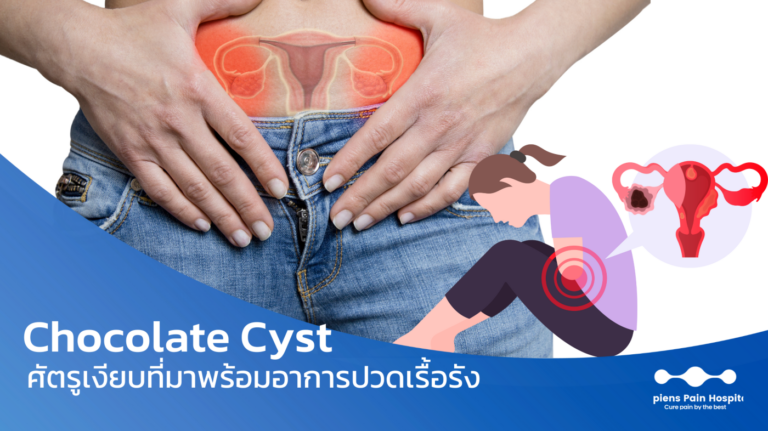
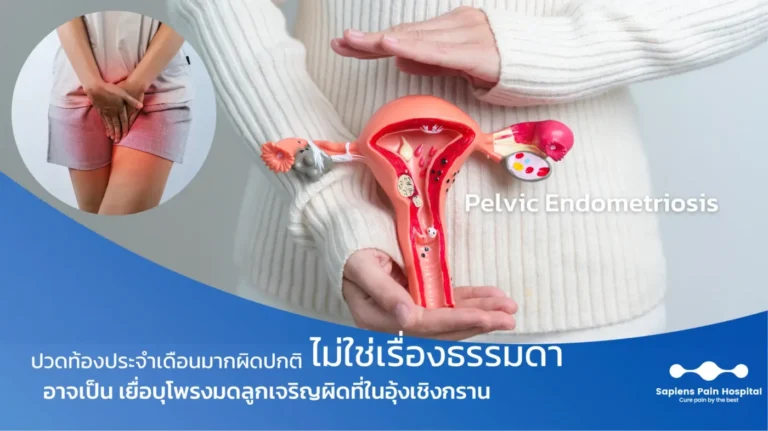
- Endometriosis or ovarian endometrioma (Chocolate Cyst) endometriosis occurs when tissue similar to the lining of the uterus grows outside the uterus. It may cause severe menstrual pain, chronic pelvic pain, pain during intercourse, and fertility problems in some patients
- Pelvic adhesions may develop following pelvic infection, inflammation, or previous surgery and can contribute to chronic pelvic pain in some patients
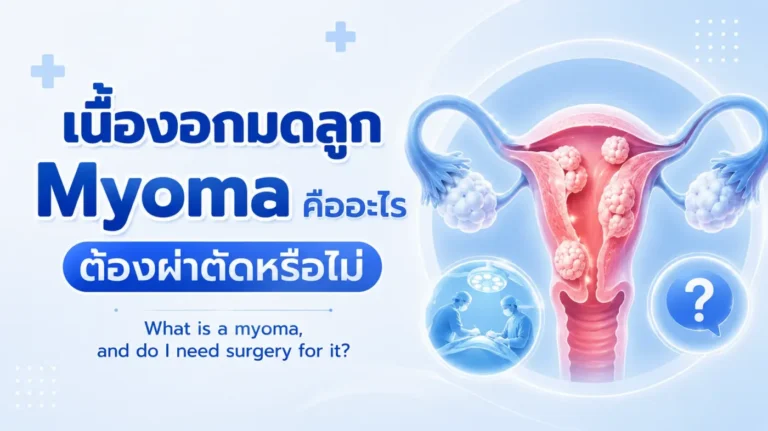
- Uterine fibroids common benign uterine growths that may cause pelvic discomfort, heavy menstrual bleeding, or a sensation of pelvic pressure depending on their size and location
- Chronic pelvic inflammatory disease (PID) previous or persistent infection and inflammation of the reproductive organs may be associated with chronic pelvic pain, adhesions, and fertility complications
- Pelvic congestion syndrome a condition involving dilated pelvic veins that may be associated with chronic pelvic pain in selected patients
2. Conditions in Other Body Systems That May Contribute to Chronic Pelvic Pain
- Chronic prostatitis / chronic pelvic pain syndrome (CP/CPPS) occurs in men and may cause chronic pelvic or lower abdominal pain, urinary discomfort, and pain radiating to the genital or groin area. Patients with these symptoms generally require evaluation by an appropriate medical specialty
- Urinary tract conditions such as recurrent urinary tract inflammation, urinary stones, or kidney and urinary tract disorders
- Gastrointestinal conditions such as irritable bowel syndrome (IBS) or inflammatory bowel disease (IBD)
- Nerve-related pain and nerve entrapment syndromes such as ilioinguinal, iliohypogastric, or genitofemoral neuropathy. These nerves may become irritated or compressed after abdominal surgery, pregnancy, trauma, or inflammation and may cause lower abdominal or groin pain. Pudendal neuralgia or pudendal nerve entrapment may also cause pelvic or genital pain and, in some patients, urinary, bowel, or sexual symptoms
Diagnosis
- Pelvic examination to assess the uterus, ovaries, vaginal walls, pelvic floor, and other structures according to the patient’s symptoms
- Abdominal and transvaginal pelvic ultrasound to evaluate conditions such as uterine fibroids, ovarian cysts, endometriomas, and some features associated with endometriosis or other pelvic abnormalities
- Hysteroscopy or laparoscopy may be considered when clinically indicated to further evaluate or treat selected conditions that cannot be adequately assessed with routine examination or imaging
- MRI or CT scan may be considered in complex cases when additional anatomical information is required
- Diagnostic nerve block may be considered in selected patients when a specific nerve is suspected as a source of pain. The response to the injection is interpreted together with the patient’s history and physical examination
Treatment Approaches for Chronic Pelvic Pain
1. Medication
- Pain-relieving medication such as NSAIDs or acetaminophen may be considered depending on the patient’s condition, medical history, and contraindications
- Hormonal treatments such as combined hormonal contraception, progestin-based treatment, or GnRH-related therapy may be considered for conditions such as endometriosis according to individual clinical assessment
- Neuropathic pain medications may be considered when a neuropathic pain mechanism is suspected, with medication selected according to the individual patient
- Certain antidepressant medications, including some tricyclic antidepressants or SNRIs, may be considered as part of chronic or neuropathic pain management in appropriately selected patients
2. Non-Pharmacological Treatment
- Pelvic floor physical therapy to assess and manage pelvic floor muscle dysfunction
- Selected complementary approaches such as acupuncture, relaxation techniques, or yoga may be used as supportive measures for some patients
- Lifestyle modification, including appropriate physical activity, nutrition, sleep, bowel management, and stress management according to the individual’s condition
3. Pain Intervention Procedures
- Trigger point injection may be considered for selected patients with myofascial or pelvic floor muscle pain
- Nerve block injection may be considered when pain is suspected to originate from specific nerves such as the ilioinguinal, iliohypogastric, genitofemoral, or pudendal nerve
- Radiofrequency procedures may be considered in carefully selected chronic pain cases after specialist evaluation when a specific pain-generating nerve or target has been identified
Chronic pelvic pain is a complex condition that may involve more than one body system. Accurate evaluation is important for identifying contributing factors and selecting appropriate treatment. Patients whose symptoms interfere with daily activities should consult an appropriate specialist. Sapiens Hospital provides evaluation, imaging and endoscopic assessment when indicated, together with a range of medical, rehabilitative, minimally invasive, and pain-management options selected according to each patient’s condition.
Frequently Asked Questions (FAQ)
1. When is pelvic pain considered chronic, and when should I see a specialist?
Pelvic or lower abdominal pain that persists or repeatedly returns for approximately 6 months or longer is generally considered chronic pelvic pain. However, severe pain, rapidly worsening symptoms, fever, heavy bleeding, fainting, pregnancy-related concerns, or other warning signs should be assessed promptly without waiting for 6 months.
2. My pelvic examination and ultrasound were normal, but I still have pelvic pain. How is that possible?
Chronic pelvic pain does not always originate from the uterus or ovaries. Possible causes may involve the pelvic floor muscles, gastrointestinal tract, urinary tract, musculoskeletal system, or nerves. Some nerve-related conditions, including pudendal neuralgia, may not be visible on routine ultrasound. Diagnosis therefore requires assessment of the overall pattern of symptoms, physical examination, and additional testing when appropriate. A diagnostic nerve block may sometimes provide useful information but is not used as a standalone definitive test.
3. Are uterine fibroids dangerous, and does every patient need surgery?
Most uterine fibroids are benign and do not require surgery. Treatment depends on symptoms, fibroid size and location, reproductive plans, and other clinical factors. Surgery or minimally invasive treatment may be considered when symptoms such as heavy bleeding, significant pain or pressure, fertility-related concerns, or other complications justify intervention.
4. At what age should the HPV vaccine be given, and what does it protect against?
HPV vaccination is most effective when given before exposure to HPV and is routinely recommended beginning in adolescence. Adults who have not previously been vaccinated or have not completed the vaccination schedule may discuss potential benefits with their doctor. The vaccine protects against important HPV types associated with cervical cancer and several other HPV-related diseases.
5. Do all ovarian cysts require surgery?
No. Many ovarian cysts are benign, and some functional cysts may resolve without treatment. Management depends on factors such as age, symptoms, cyst size and appearance, menopausal status, and other clinical findings. Surgery may be considered when a cyst has concerning features, causes significant symptoms or complications, persists or enlarges, or requires further diagnostic evaluation.