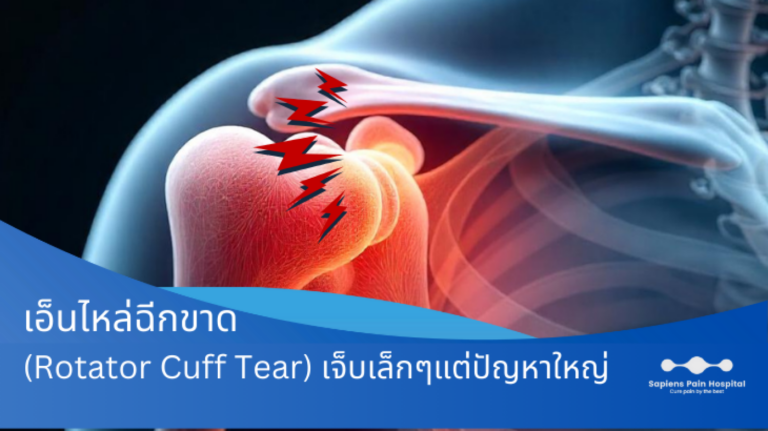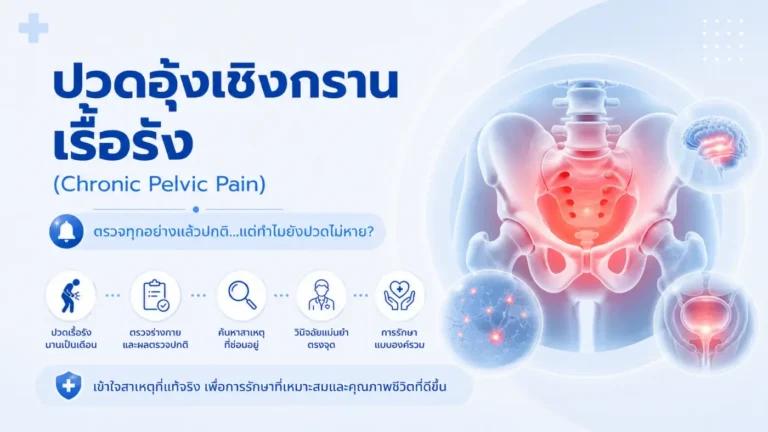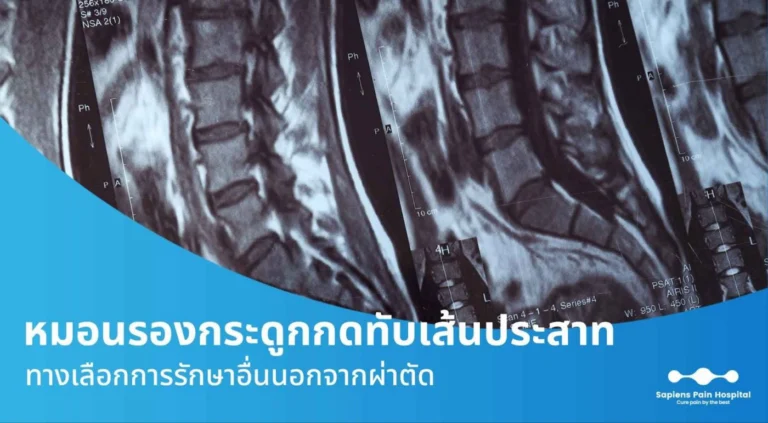
Joint pain involving the shoulder, knee, hip, or other joints can have many different causes. Each joint has a different structure, range of motion, and pattern of use, so the cause of pain and the diagnostic approach may differ considerably between the shoulder, knee, and hip.
The Joint Pain, Knee Osteoarthritis, and Hip Osteoarthritis Service at Sapiens Hospital provides evaluation and treatment for joint pain caused by degeneration, sports injuries, tendon or ligament problems, inflammation, and other musculoskeletal conditions. Shoulder pain is commonly associated with sports injuries, tendon disorders, or age-related degeneration, while knee and hip pain in older adults is frequently related to osteoarthritis. Sports injuries may also cause fractures, cartilage injuries, or ligament tears.
Osteoarthritis occurs when the cartilage and other structures within a joint gradually deteriorate, which can lead to pain, stiffness, reduced movement, swelling, and difficulty performing daily activities. Treatment is individualized and may include physical therapy, medication, intra-articular injections, Platelet-Rich Plasma (PRP), pain interventions such as Radiofrequency Ablation, or joint replacement surgery when symptoms become severe and significantly affect quality of life.
Treatment Options for Knee and Hip Osteoarthritis
Knee and hip osteoarthritis are common causes of chronic joint pain, especially in older adults. Risk factors may include increasing age, obesity, previous joint injury, repetitive heavy joint loading, structural abnormalities, and chronic inflammatory joint disease. Treatment ranges from conservative care and injections to interventional pain procedures and joint replacement surgery.
1. Joint Injections for Pain Relief
- Corticosteroid Injection
How it works: Corticosteroids reduce inflammation inside the joint and may provide relatively rapid pain relief during an inflammatory flare.
Potential benefit: May be useful for short-term symptom relief in selected patients with significant pain and inflammation.
Limitations: Repeated injections are not recommended without careful medical assessment because frequent steroid exposure may adversely affect cartilage and other tissues.
Duration of benefit: Relief varies among patients and is generally temporary, often lasting from several weeks to a few months. - Hyaluronic Acid Injection
How it works: Hyaluronic acid is a component of normal joint fluid and may help improve joint lubrication and reduce friction.
Potential benefit: Some patients with knee osteoarthritis may experience modest improvement in pain and mobility.
Limitations: Response varies significantly, and not all clinical guidelines recommend routine use for every patient with osteoarthritis.
Duration of benefit: When effective, improvement may last several months, but the duration varies between individuals.
2. Biologic Treatments
- Platelet-Rich Plasma (PRP)
How it works: PRP is prepared from the patient’s own blood to produce a concentrated platelet solution containing growth factors involved in tissue-healing processes.
Potential benefit: Some patients with mild-to-moderate knee osteoarthritis may experience reduced pain and improved function.
Limitations: Results vary, preparation techniques are not standardized across all centers, and PRP should not be considered a guaranteed method of regenerating lost cartilage.
Duration of benefit: Improvement may last for several months in some patients. - Stem Cell-Based Treatments
Stem cell and other cell-based treatments for osteoarthritis remain an area of ongoing research. Although some experimental approaches use cells derived from bone marrow or adipose tissue, these treatments are not established as a standard replacement for conventional osteoarthritis care or joint replacement surgery.
Potential benefit: Research is continuing into whether cell-based therapies may influence pain and tissue biology.
Limitations: Long-term effectiveness, optimal cell type, preparation methods, and patient selection remain uncertain. Patients should discuss the evidence, regulatory status, risks, and alternatives with an appropriate specialist before considering treatment.
3. Joint Replacement Surgery
- Total Knee Replacement
How it works: Damaged joint surfaces are removed and replaced with artificial components designed to restore alignment and movement.
Potential benefit: Can significantly reduce pain and improve walking and daily function in appropriately selected patients with advanced knee osteoarthritis.
Limitations and risks: Requires surgery and rehabilitation and carries potential risks such as infection, blood clots, stiffness, implant wear, or the need for revision surgery.
Implant longevity: Modern knee replacements often function for many years, but durability varies according to age, activity level, body weight, implant type, and other factors. - Total Hip Replacement
How it works: The damaged hip joint is replaced with artificial components.
Potential benefit: Often provides substantial pain relief and improvement in mobility for patients with advanced hip osteoarthritis.
Limitations and risks: Risks include infection, blood clots, dislocation, leg-length difference, implant wear, and possible revision surgery in the future.
Implant longevity: Many modern hip replacements remain functional for decades, although individual results vary.
4. Pain Intervention
- Radiofrequency Ablation (RFA)
How it works: RFA is a minimally invasive procedure that uses radiofrequency energy to reduce pain signals from selected sensory nerves around a painful joint. For knee osteoarthritis, the procedure commonly targets the genicular nerves. Similar techniques may be considered for selected patients with hip or shoulder pain.
Potential benefit: May provide meaningful pain relief without joint replacement surgery in appropriately selected patients, including those who are not suitable for surgery or who continue to experience pain after previous treatment.
Limitations: RFA does not reverse osteoarthritis or restore damaged cartilage. Temporary soreness, numbness, bruising, or altered sensation may occur, and treatment effectiveness varies between patients.
Duration of benefit: Pain relief may last several months and in some patients approximately 6-12 months or longer, but results are not permanent and vary individually.
There is no single best treatment for every patient with knee or hip osteoarthritis. The most appropriate treatment depends on the severity of joint damage, pain intensity, age, activity level, medical conditions, previous treatment response, and the patient’s goals. Assessment by an orthopedic specialist and, when appropriate, a pain specialist can help determine the most suitable treatment plan.
Services for Joint Pain Treatment
- Radiofrequency pain procedures targeting selected sensory nerves around the knee, shoulder, or hip when clinically appropriate.
- Arthroscopic surgery for selected cartilage, tendon, ligament, and joint injuries.
- Joint replacement surgery including shoulder, hip, knee, and selected ankle replacement procedures.
- Physical therapy and rehabilitation to improve muscle strength, joint movement, balance, walking, and function before or after treatment.