
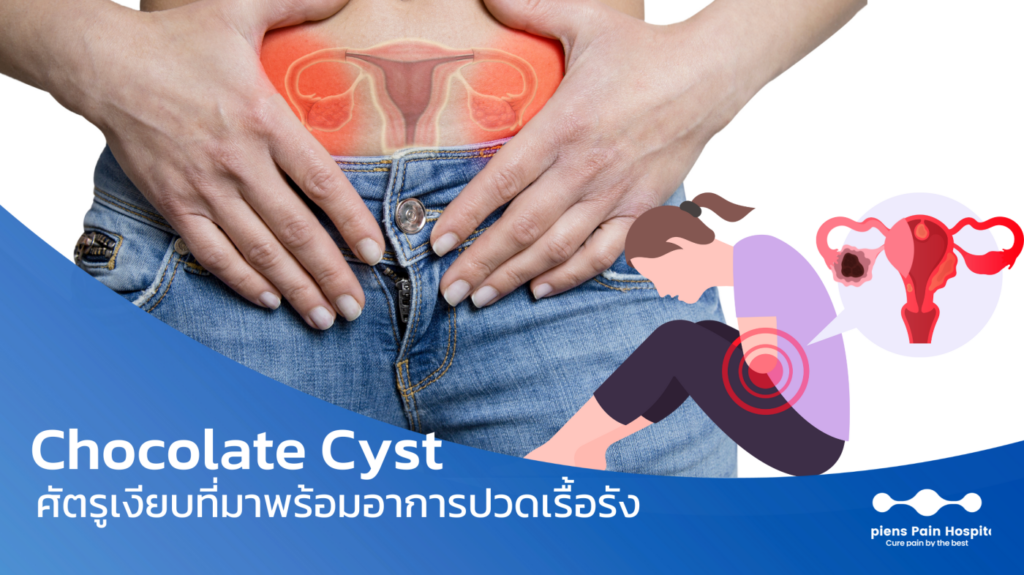
Chronic Pelvic Pain: Pain Associated with Chocolate Cysts
Understanding Chocolate Cysts (Endometriomas)
A chocolate cyst, or ovarian endometrioma, is a cyst that develops in the ovary as a result of endometriosis. It contains old blood that may appear dark brown, resembling chocolate. Endometriomas are commonly found in people with endometriosis and may cause chronic pelvic pain, lower abdominal pain, and sometimes back pain.
Symptoms
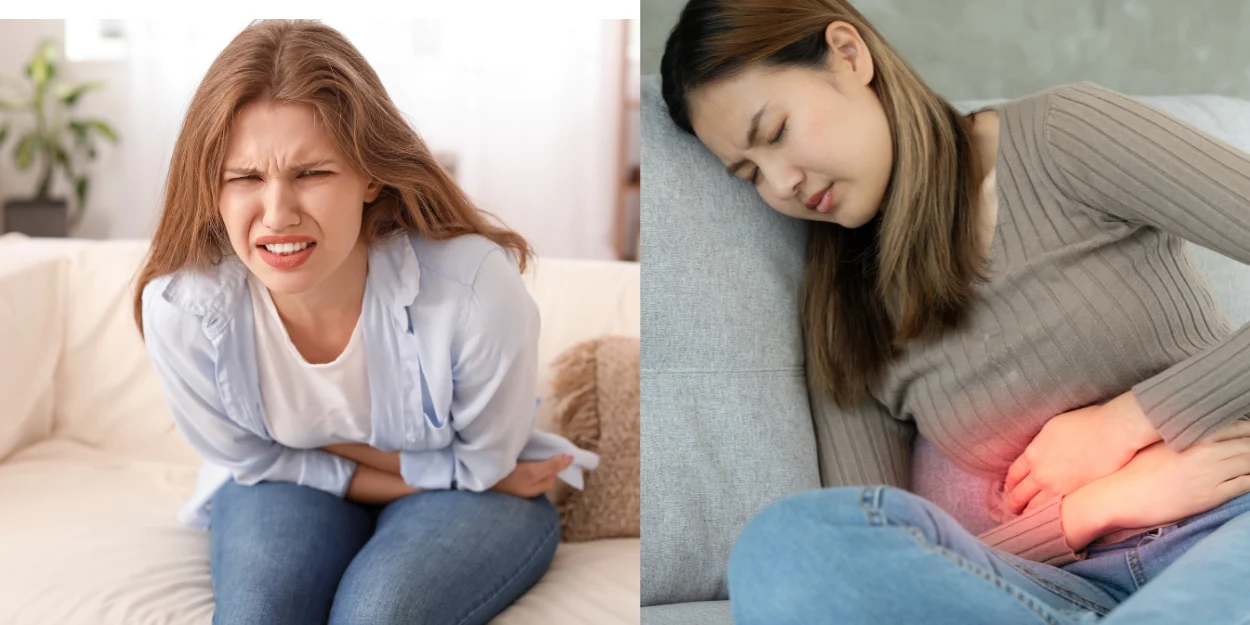
- Chronic pelvic or lower abdominal pain, which may become more severe during menstruation (dysmenorrhea), pain during sexual intercourse (dyspareunia), and sometimes associated back pain.
- A cyst may become large enough to cause pressure symptoms. In some cases, complications such as cyst rupture or ovarian torsion may cause sudden, severe pain.
Evaluation and Diagnosis
- Transvaginal ultrasound (TVUS) is commonly used as the initial imaging test to evaluate whether an ovarian cyst has features consistent with an endometrioma.
- If ultrasound findings are inconclusive or more detailed assessment is needed, MRI may be considered to evaluate the size, location, and complexity of the cyst.
Treatment Options
1. Non-Surgical Treatment (Medical Therapy)
- NSAIDs may be used to help relieve inflammation and pain.
- Hormonal treatments, such as continuous combined hormonal contraceptives, progestins, or GnRH agonists with add-back therapy in selected patients, may help control endometriosis-related symptoms and suppress disease activity.
- Limitations: Medication can help control symptoms but does not necessarily eliminate an existing endometrioma. Symptoms or disease activity may recur after treatment is discontinued.
2. Laparoscopic Surgery (Laparoscopic Cystectomy)
- Surgery may be considered for selected patients with significant or persistent pain, concerning cyst characteristics, complications, or fertility-related indications. The decision should not be based on cyst size alone.
- Technique: When surgery is appropriate, cystectomy (excision of the cyst wall) may provide better control of pain and recurrence than simple drainage or coagulation in appropriately selected patients.
- Precaution: Surgery may reduce ovarian reserve. Patients who wish to have children in the future should therefore have their fertility goals and ovarian reserve considered before surgery.
- After surgery, long-term hormonal therapy may be considered in patients who are not trying to conceive immediately to reduce the risk of recurrence.
Sapiens Hospital Approach
- Comprehensive Biopsychosocial Assessment Ultrasound findings are evaluated together with clinical symptoms, medical history, and the patient’s fertility and pregnancy goals.
- Consider Non-Surgical Treatment First
– NSAIDs may be used for pain relief, while appropriate hormonal therapy may be considered to control endometriosis-related symptoms.
– Treatment is individualized according to symptoms, medical conditions, and reproductive plans.
– Supportive self-care, such as heat therapy and appropriate physical therapy or muscle relaxation techniques, may help some patients manage chronic pelvic pain. - Consider Surgery When There Are Clear Indications
– Surgery may be considered for significant or persistent pain, concerning cyst features, complications, or fertility-related indications. Cyst size is considered together with other clinical factors rather than used as the sole indication for surgery.
– Minimally invasive laparoscopic surgery may be considered when appropriate, with attention to preserving healthy ovarian tissue whenever possible.
– For patients who still plan to have children, fertility goals and ovarian reserve should be assessed before surgery in consultation with an obstetrician-gynecologist or fertility specialist when appropriate. - Follow-Up After Surgery
– Follow-up appointments and repeat imaging are planned according to symptoms, clinical findings, treatment, and the individual risk of recurrence.
– Hormonal therapy may be considered to reduce recurrence in patients who are not planning immediate pregnancy.
– Comprehensive care may include pelvic floor or deep abdominal muscle rehabilitation and psychological support when chronic pain affects emotional well-being and quality of life.
Summary
Chronic pelvic pain associated with a chocolate cyst may result from an ovarian endometrioma, a manifestation of endometriosis that can significantly affect quality of life. Treatment should be individualized according to symptoms, cyst characteristics, fertility goals, and the patient’s overall condition. Medication and hormonal therapy may help control symptoms, while laparoscopic surgery may be considered when there are appropriate clinical indications. Sapiens Hospital integrates modern medical care, pain management, and a holistic approach to help patients manage symptoms and improve their long-term quality of life.
References
- StatPearls. Endometriomas overview. NCBI Bookshelf.en.wikipedia.org+1ovarianresearch.biomedcentral.com+1aafp.orgncbi.nlm.nih.gov+1en.wikipedia.org+1
- ACOG & AAFP guidelines on endometriosis management. aafp.org+1acog.org+1
- MDPI et al. Ovarian Endometrioma management options. ajog.org+15mdpi.com+15pmc.ncbi.nlm.nih.gov+15
- NEJM review: Endometriosis prevalence & pain. emedicine.medscape.com+10nejm.org+10en.wikipedia.org+10
- Verywell Health: Endometrioma complications and laparoscopic treatment.pmc.ncbi.nlm.nih.gov+15verywellhealth.com+15authorea.com+15