
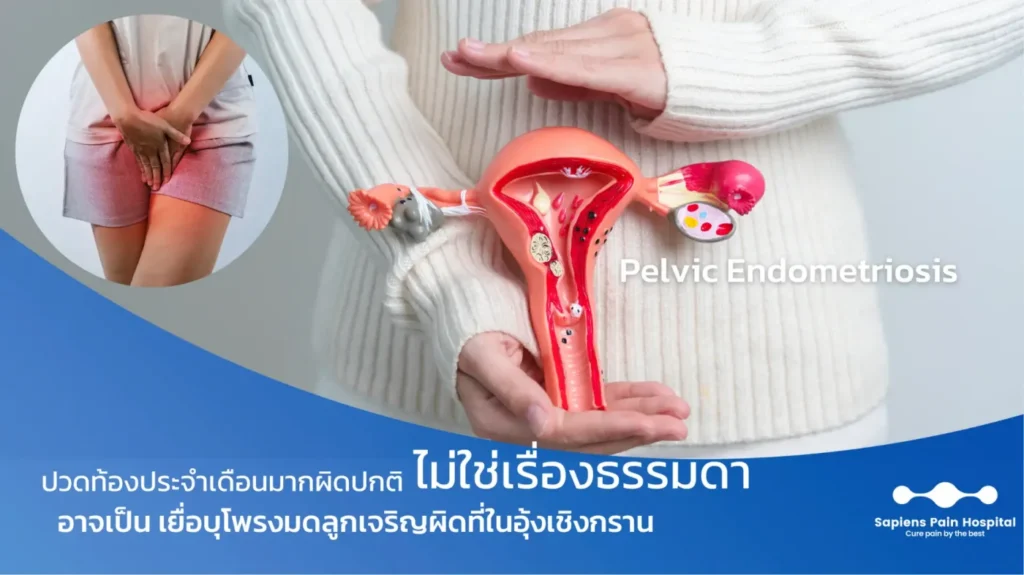
Pelvic Endometriosis: This Pain Is Not Just “Normal Period Pain”
Although menstrual cramps are common, severe or progressively worsening pain should not simply be accepted as something that must be endured. For some women, significant menstrual and pelvic pain may be a sign of pelvic endometriosis (Pelvic Endometriosis), a chronic condition that can substantially affect daily activities, emotional well-being, relationships, sexual health, and fertility.
What Causes Pelvic Endometriosis?
Endometriosis occurs when tissue similar to the lining of the uterus (endometrial-like tissue) grows outside the uterine cavity. Lesions may occur on the ovaries, pelvic peritoneum, fallopian tubes and surrounding tissues, and in some patients may involve deeper structures such as the bowel or bladder. These lesions respond to hormonal changes and can contribute to inflammation, fibrosis, adhesions, and sensitization of the nervous system, resulting in menstrual or chronic pelvic pain.
The exact cause of endometriosis is not completely understood. Current evidence suggests that hormonal, immune, inflammatory, genetic, anatomical, and environmental factors may all contribute to its development.
Common Symptoms
- Pelvic or lower abdominal pain, particularly before or during menstruation
- Pain that may radiate to the lower back or legs
- Pain during or after sexual intercourse
- Pain during bowel movements or urination, particularly around menstruation
- Difficulty becoming pregnant
Endometriosis is not simply about pain. Persistent symptoms can affect physical health, emotional well-being, work, relationships, sexual health, and overall quality of life.

Treatment Options
1. Medical Therapy
1.1 Hormonal Suppression Therapy
- Combined hormonal contraceptives may suppress ovulation and menstruation and can help reduce endometriosis-associated pain in appropriate patients.
- Progestins such as Dienogest or Medroxyprogesterone acetate may suppress endometriosis activity and reduce pain in selected patients.
- GnRH Agonists/Antagonists suppress ovarian hormone production and may be considered when other hormonal treatments are insufficient or unsuitable. Because low estrogen levels can cause side effects, treatment duration and the possible use of add-back therapy should be determined by a specialist.
1.2 Symptom Relief and Pain Management
NSAIDs such as Ibuprofen or Naproxen may help relieve menstrual and pelvic pain in patients for whom these medicines are medically appropriate. When pain becomes persistent or significantly affects daily life, multidisciplinary care may be considered, including gynecological treatment, pain medicine, physical rehabilitation, pelvic floor therapy, and psychological support when appropriate.
2. Surgical Management
2.1 Laparoscopic Excision
Laparoscopic surgery may be considered to diagnose and treat endometriosis when clinically indicated, particularly in patients with significant symptoms, endometriomas, deep endometriosis, fertility-related concerns, or inadequate response to appropriate medical treatment. The decision should consider symptoms, lesion location, fertility goals, previous treatment, and potential surgical risks.
2.2 Surgery Should Be Tailored to the Location of Endometriosis
Surgery may involve excision or treatment of visible endometriosis lesions and adhesions according to their location. Procedures that intentionally interrupt pelvic nerves, such as LUNA (Laparoscopic Uterosacral Nerve Ablation), are not routinely recommended because evidence has not demonstrated additional pain-relief benefit when added to conventional endometriosis surgery.
2.3 Hysterectomy in Selected Patients
Hysterectomy may be considered in selected patients who no longer wish to become pregnant, have significant symptoms, and have not achieved adequate relief from more conservative treatments. Removal of the ovaries is not automatically required and must be considered separately because it causes important hormonal consequences. Patients should also understand that hysterectomy does not necessarily cure endometriosis or guarantee complete resolution of pain.
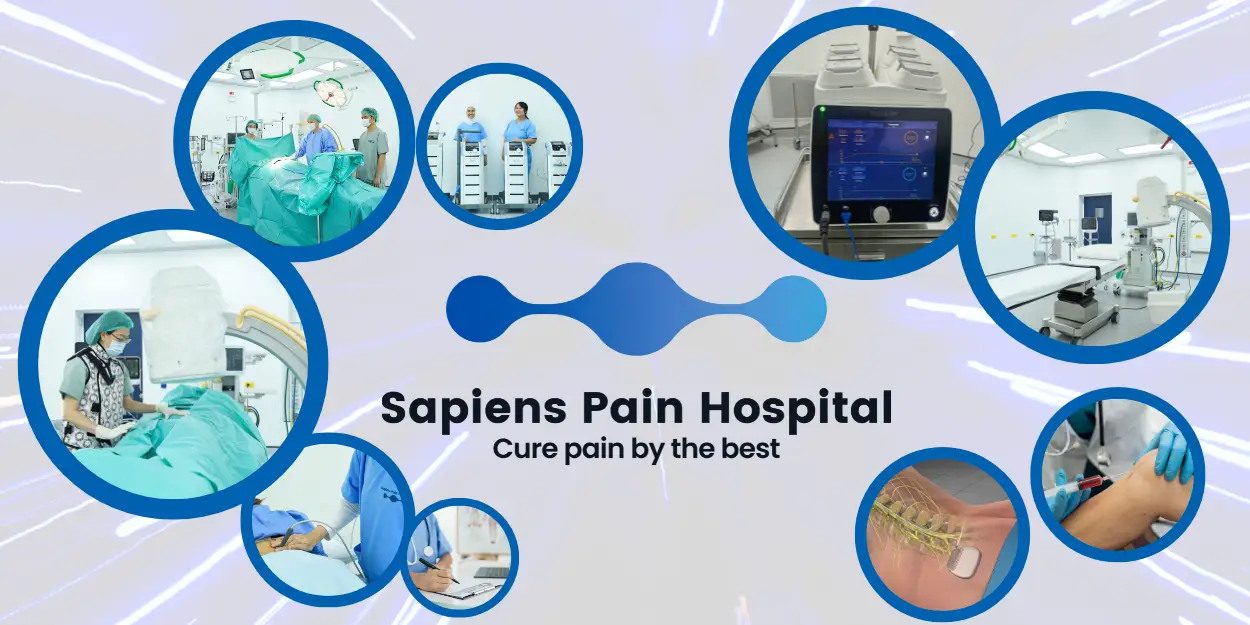
3. Treatment Approach at Sapiens Hospital
Sapiens Hospital approaches persistent pelvic pain by identifying the likely source of pain and considering gynecological, musculoskeletal, neurological, and psychosocial factors. Pain Medicine may complement gynecological treatment when persistent pain continues despite appropriate disease-directed management.
3.1 Interventional Pain Techniques for Selected Patients
- Nerve or Plexus Blocks: In selected patients with refractory chronic pelvic pain, a targeted nerve or plexus block may be considered after specialist evaluation. These procedures aim to reduce pain transmission but do not remove or cure endometriosis lesions.
- Pulsed Radiofrequency (PRF): Neuromodulatory procedures such as PRF may be considered in carefully selected chronic pain conditions when an appropriate pain generator or neural target has been identified. They are not routine first-line treatments for endometriosis itself.
- Image-Guided Targeted Procedures: Ultrasound or other imaging may be used to guide selected injections when a specific musculoskeletal, myofascial, or nerve-related pain generator has been identified. Routine injection into the pelvic cavity is not a standard treatment for endometriosis.
3.2 Rehabilitation and Multidisciplinary Pain Care
- Abdominal and pelvic floor physical therapy may be considered when pelvic floor muscle dysfunction, muscle guarding, or myofascial pain contributes to symptoms.
- Individualized Exercise and Rehabilitation: Progressive movement, strength, mobility, and relaxation strategies may help restore function and reduce disability associated with persistent pelvic pain.
- Biofeedback and CBT: These may be used as part of multidisciplinary chronic pain care to improve coping, function, sleep, and emotional well-being. They do not imply that the pain is psychological or imaginary.
Women experiencing severe menstrual pain or persistent pelvic pain should not have to simply endure their symptoms. Sapiens Hospital focuses on identifying possible causes and developing an individualized treatment plan. For suspected or confirmed Pelvic Endometriosis, appropriate gynecological evaluation remains central, while Pain Medicine and rehabilitation may complement treatment when persistent pain affects daily function and quality of life. Early assessment is particularly important when pain is progressively worsening, occurs outside menstruation, is associated with painful intercourse or bowel and urinary symptoms, or when fertility is a concern.