

Alzheimer’s Disease (AD) is a progressive neurodegenerative disease and the most common cause of dementia. It gradually affects memory, thinking, behavior, and the ability to perform everyday activities. Some people may experience Mild Cognitive Impairment (MCI) before dementia develops; however, not everyone with MCI will progress to Alzheimer’s disease. Although there is currently no cure that completely reverses Alzheimer’s disease, early assessment, appropriate treatment, management of modifiable risk factors, and supportive care can help maintain function and quality of life. Certain disease-modifying treatments may also slow clinical decline in carefully selected patients with early Alzheimer’s disease.
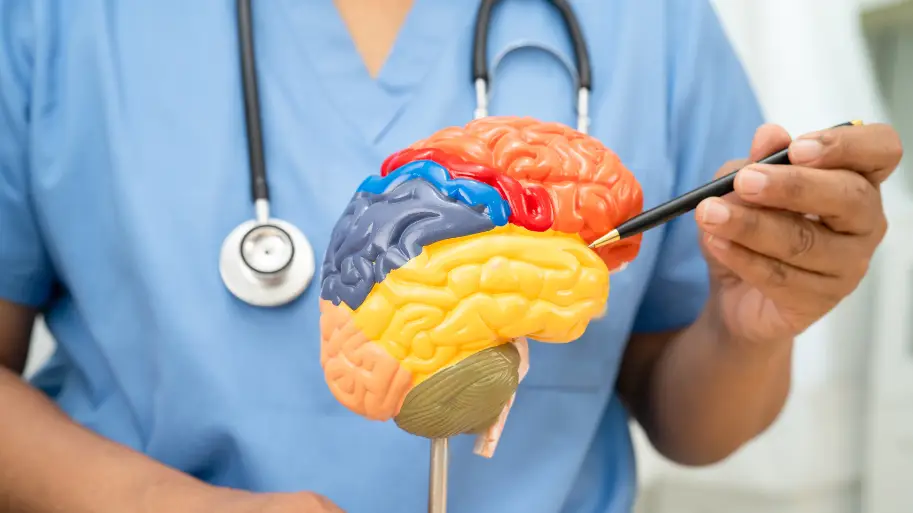
Major Risk Factors for Alzheimer’s Disease
Risk factors can generally be divided into modifiable and non-modifiable factors. Having one or more risk factors does not mean that a person will necessarily develop Alzheimer’s disease.
Non-modifiable Risk Factors
- Increasing age is the strongest known risk factor, although Alzheimer’s disease is not a normal part of ageing.
- Genetic factors can influence risk. For example, carrying the APOE ε4 allele is associated with an increased risk of late-onset Alzheimer’s disease, but it does not determine with certainty whether a person will develop the disease.
- Women account for a greater proportion of people living with Alzheimer’s disease. This difference is influenced by longevity as well as biological and other factors that continue to be studied.
Modifiable Risk Factors
Research on dementia prevention suggests that several potentially modifiable factors are associated with cognitive decline and dementia risk. These include hypertension, diabetes, obesity, high LDL cholesterol, physical inactivity, smoking, excessive alcohol consumption, hearing loss, depression, social isolation, traumatic brain injury, and other health and lifestyle factors. Managing these risks throughout life may contribute to better brain and cardiovascular health, although no preventive strategy can guarantee that Alzheimer’s disease will not occur.

Risk Reduction and Brain Health
There is currently no guaranteed way to prevent Alzheimer’s disease. However, maintaining cardiovascular health and adopting healthy lifestyle behaviors may help reduce the risk of cognitive decline and dementia.
- Stay physically active with appropriate aerobic exercise, strength training, balance exercises, and regular everyday movement according to individual health and ability.
- Maintain a balanced diet rich in vegetables, fruits, whole grains, legumes, nuts, fish, and other nutrient-dense foods while limiting excessive saturated fat, highly processed foods, and added sugars.
- Manage cardiovascular and metabolic risk factors such as blood pressure, diabetes, cholesterol, and body weight with appropriate medical care.
- Keep the brain and social life active through continued learning, meaningful hobbies, reading, social interaction, and cognitively stimulating activities.
- Address modifiable health risks such as smoking, excessive alcohol use, hearing impairment, depression, sleep problems, and social isolation when appropriate.
Initial Diagnostic Assessment
- Cognitive screening may include tools such as the MMSE or MoCA, together with medical history, information from family or caregivers, functional assessment, neurological examination, and other appropriate evaluations.
- Brain imaging such as MRI may be used to assess brain structure, patterns of atrophy, vascular changes, tumors, stroke, or other conditions that may contribute to cognitive symptoms. MRI alone does not directly confirm amyloid or tau pathology.
- When clinically appropriate, biomarkers obtained through cerebrospinal fluid (CSF), amyloid PET, tau PET, or validated blood-based tests may help identify Alzheimer’s-related pathology. The choice of test depends on clinical circumstances, availability, and specialist assessment.
Evidence-Based Treatment Approaches
There is currently no treatment that completely cures Alzheimer’s disease. Management may include symptomatic medication, selected disease-modifying therapy, management of other medical conditions, rehabilitation, lifestyle support, and care for patients and their families.
1. Pharmacological Therapy
- Cholinesterase inhibitors such as Donepezil, Rivastigmine, and Galantamine may help manage cognitive and functional symptoms in appropriate patients, particularly in mild-to-moderate Alzheimer’s dementia.
- Memantine may be considered for moderate-to-severe Alzheimer’s dementia and, in selected patients, may be used together with a cholinesterase inhibitor.
- Amyloid-targeting therapies such as Lecanemab and Donanemab are disease-modifying treatments for carefully selected patients with early symptomatic Alzheimer’s disease and confirmed amyloid pathology. They can slow clinical decline but do not cure or reverse Alzheimer’s disease. Treatment requires specialist assessment and monitoring because serious adverse effects, including amyloid-related imaging abnormalities (ARIA), can occur.
- Treatment of associated symptoms such as depression, anxiety, sleep disturbance, agitation, or other behavioral and psychological symptoms should be individualized, with non-drug approaches considered when appropriate.
2. Non-pharmacological Care
- Cognitive stimulation and rehabilitation may focus on maintaining meaningful everyday activities, memory strategies, attention, communication, and functional independence according to the person’s abilities and goals.
- Appropriate physical activity such as walking, strength and balance exercises, swimming, or other safe activities can support mobility, cardiovascular health, sleep, mood, and overall function.
- Balanced nutrition and adequate intake of essential nutrients are important for overall health. Routine use of high-dose antioxidant vitamins or omega-3 supplements specifically to treat Alzheimer’s disease is not recommended without an individual clinical indication.
- Mental and social support including meaningful activities, social participation, management of depression or anxiety, and support for family members and caregivers is an important part of comprehensive care.
3. Advanced Assessment and Specialized Care
- Biomarkers and advanced imaging may be considered in selected patients when the results are expected to clarify the diagnosis or guide treatment decisions.
- Management of coexisting conditions and medications is particularly important for older adults with multimorbidity, as some diseases and medications can worsen cognitive symptoms or affect treatment safety.
- Depending on individual needs, care may involve physicians and professionals from neurology, geriatric medicine, psychiatry, rehabilitation, physical therapy, occupational therapy, nutrition, nursing, and other relevant disciplines.
Comprehensive Care at Sapiens Hospital
- Assessment of cognitive concerns and individual risk factors to help identify possible causes of memory or cognitive changes and determine whether further specialist investigation is appropriate.
- Coordination with appropriate medical specialists according to the patient’s neurological symptoms, chronic conditions, pain, functional limitations, and overall health.
- Appropriate diagnostic investigations may be considered or coordinated according to clinical indications and specialist recommendations.
- Individualized care planning that may combine medical treatment, non-pharmacological interventions, rehabilitation, lifestyle management, and support for patients and families.
- Follow-up to monitor cognitive symptoms, functional ability, treatment response, medication safety, and changes in care needs over time.
- Quality-of-life support including management of associated symptoms, physical and cognitive activity, nutrition, emotional well-being, safety, and caregiver support according to individual needs.

Alzheimer’s disease cannot currently be completely cured, but recognizing cognitive changes early can provide an opportunity for appropriate assessment, treatment, risk-factor management, future planning, and support for both patients and families. Sapiens Hospital focuses on individualized, comprehensive care that considers not only memory and cognitive symptoms but also physical health, functional ability, emotional well-being, safety, and quality of life.