
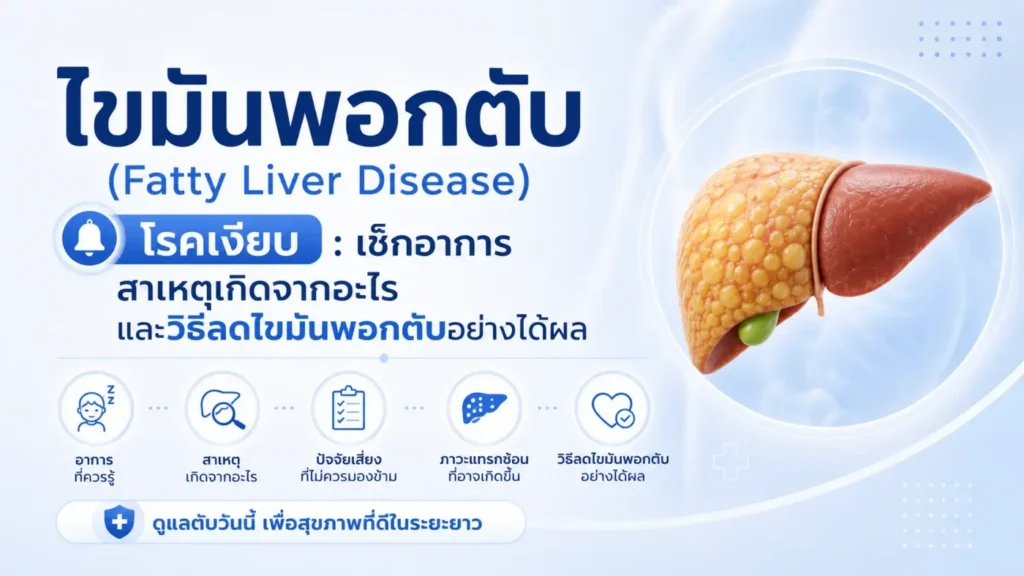
Fatty Liver Disease: A Silent Condition Among Working-Age Adults — Symptoms, Causes, and How to Reduce Liver Fat Effectively
In the busy lives of working-age adults, work often receives more attention than our own health. Early-morning meetings, sweetened coffee, rushed lunches, late nights at home, little exercise, insufficient sleep, and accumulated stress can gradually affect the body. Many people rely entirely on an annual health checkup, without realizing that some conditions may not produce obvious warning signs in their early stages. Fatty liver disease is one of these silent conditions.
Most people discover that they have fatty liver during a routine health examination, even though they do not feel ill, have no fever or abdominal pain, and do not have yellowing of the eyes or skin. This often raises the question: “If there are no symptoms, is fatty liver dangerous?”
The answer is: it may not be immediately dangerous, but it should not be ignored. Fatty liver does not affect only the liver; it can also be a sign of metabolic dysfunction and is closely associated with abdominal obesity, type 2 diabetes, high blood lipids, high blood pressure, and an increased long-term risk of cardiovascular disease.
What Causes Fatty Liver? (Causes & Risk Factors)
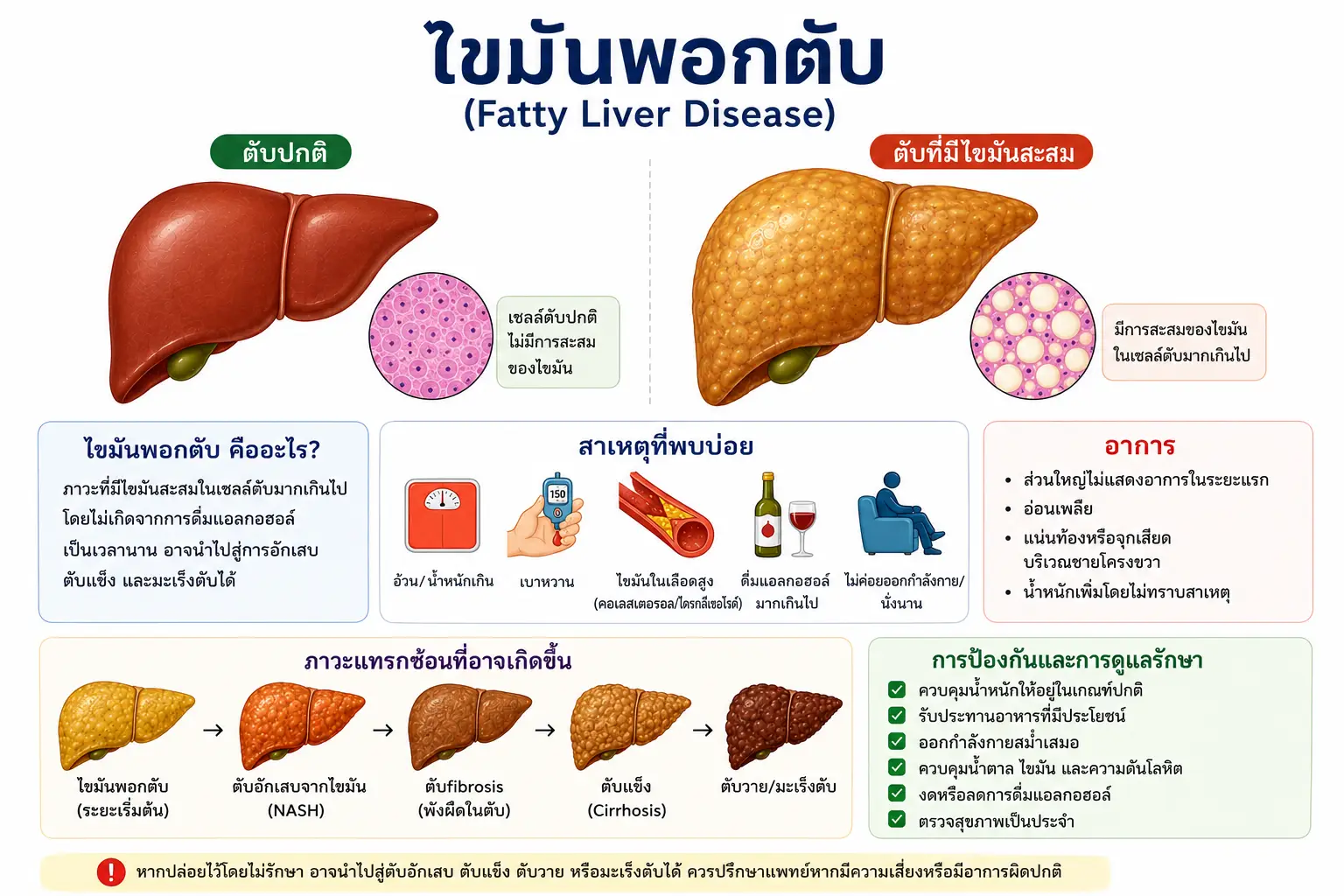
Understanding how the body works helps explain why fatty liver, now commonly referred to in medicine as MASLD (Metabolic dysfunction-associated steatotic liver disease), is not caused simply by eating fatty foods. It is closely associated with metabolic dysfunction, with several lifestyle-related factors commonly seen among working-age adults:
Excess energy from sugar and refined carbohydrates: Frequent consumption of sweetened drinks, flavored coffee, soft drinks, or large amounts of refined carbohydrates can provide excess calories. The liver can convert excess sugars, particularly fructose, into triglycerides, contributing to fat accumulation in the liver.
- Sedentary Lifestyle: Sitting for 6–8 hours or more each day with little physical activity or exercise reduces energy expenditure and may contribute to fat accumulation.
- Insulin Resistance: This occurs when cells respond less effectively to insulin. It is closely associated with high blood sugar, type 2 diabetes, abdominal obesity, and increased fat accumulation in the liver.
- Skinny Fat: Fatty liver does not occur only in people who are overweight. People with a normal or slim appearance but high levels of visceral fat around the abdomen may also be at risk.
- Insufficient Sleep and Poor Sleep Habits: Sleeping too little or staying up late may affect hormones involved in hunger, satiety, and metabolic regulation.
What Are the Symptoms of Fatty Liver? (Symptoms)
Fatty liver is often described as a silent condition because most patients have no obvious symptoms in the early stages. It is frequently discovered incidentally during an abdominal ultrasound or routine blood test. However, when liver fat increases or inflammation develops, some people may experience the following symptoms:
- Fatigue or low energy: Persistent tiredness or lack of energy, even after adequate rest.
- Discomfort under the right rib cage: A feeling of tightness, heaviness, or discomfort in the upper right abdomen where the liver is located.
- Digestive discomfort: Bloating, abdominal fullness, or discomfort after meals similar to indigestion.
- Weight gain, especially around the waist: Increasing abdominal circumference may indicate increased visceral fat, which is associated with metabolic dysfunction and fatty liver.
Note: More serious symptoms may occur when liver disease has progressed significantly, such as cirrhosis. These may include yellowing of the skin or eyes (jaundice), abdominal swelling from fluid accumulation, or swelling of the legs.
5 Ways to Reduce Fatty Liver and Make Sustainable Lifestyle Changes (Treatment)
The good news is that fatty liver disease in its earlier stages may improve substantially with appropriate management. There is no simple shortcut or “liver detox” solution. The cornerstone of reducing liver fat is sustainable lifestyle modification.
- Reduce body weight by approximately 7–10% (when overweight or obese). Gradual and sustainable weight loss can significantly reduce liver fat and may improve liver inflammation and fibrosis. For example, for someone weighing 80 kilograms, a reduction of approximately 6–8 kilograms may provide meaningful metabolic and liver-health benefits.
- Improve your diet and reduce added sugars (Diet Modification): Limit sugary drinks, desserts, fried foods, high-fat processed foods, and heavily refined carbohydrates. Emphasize vegetables, suitable sources of lean protein such as fish and chicken, and appropriate portions of complex carbohydrates such as brown rice and whole-grain bread.
- Exercise for at least 150 minutes per week (Exercise): Moderate-intensity physical activity such as brisk walking, cycling, swimming, or resistance exercise can support metabolic health. For office workers, simple habits such as getting up to walk every hour or taking a short walk after meals can also help increase daily activity.
- Control associated metabolic conditions: If you have diabetes, high blood pressure, or high cholesterol, follow your physician’s treatment plan and take prescribed medications as directed, as these conditions are closely associated with fatty liver disease progression.
- Avoid self-medicating with unproven “liver supplements”: No supplement or “fatty liver detox” product should be considered a substitute for evidence-based treatment. Some unregulated herbal products or supplements may themselves cause liver injury.
5 Stages in the Progression of Fatty Liver-Related Liver Disease
The clinical significance of fatty liver depends on how much liver damage has developed. The progression may involve the following stages:
| Stage | Disease Progression | Potential Risks and Symptoms |
| 1. Liver Fat Accumulation (Steatosis) | Fat begins accumulating in liver cells without significant inflammation. | Usually causes no symptoms and may be detected incidentally by imaging. |
| 2. Steatohepatitis (MASH / NASH) | Fat accumulation is accompanied by liver-cell injury and inflammation. | The risk of progressive liver damage increases. |
| 3. Liver Fibrosis (Fibrosis) | Persistent injury and inflammation lead to the development of scar tissue. | Increasing fibrosis is associated with a higher risk of progression toward cirrhosis. |
| 4. Cirrhosis | The liver develops extensive scarring and structural damage, reducing its ability to function normally. | Complications may include abdominal swelling, jaundice, and enlarged veins associated with portal hypertension. |
| 5. Liver Cancer (HCC) | Hepatocellular carcinoma may develop in some patients with advanced chronic liver disease. | The risk is particularly increased in people with cirrhosis and requires appropriate surveillance. |
How Is Fatty Liver Diagnosed?
When evaluating fatty liver disease, physicians commonly combine several forms of assessment:
- Blood Tests (Liver Function Tests): Tests such as AST and ALT help assess liver-cell injury. However, some people with fatty liver may have normal liver enzyme levels, so physicians also consider blood sugar, lipid levels, metabolic risk factors, and other findings.
- Upper Abdominal Ultrasound: A commonly used imaging test that can identify changes consistent with fat accumulation in the liver.
- Liver Stiffness Assessment (FibroScan): A non-invasive test that can help estimate liver stiffness associated with fibrosis and quantify liver fat without requiring a liver biopsy in many cases.
Take care of your liver before the condition progresses. Fatty liver is not only a problem involving the liver; it can also serve as an important warning sign that metabolic health needs attention. Small, consistent changes in diet, physical activity, sleep, and weight management can make a meaningful difference over time.
If you are a working-age adult with risk factors, or if your health checkup shows abnormal blood sugar, cholesterol, triglycerides, or liver-related results, consulting a physician for a systematic assessment is an important first step toward protecting your long-term health.