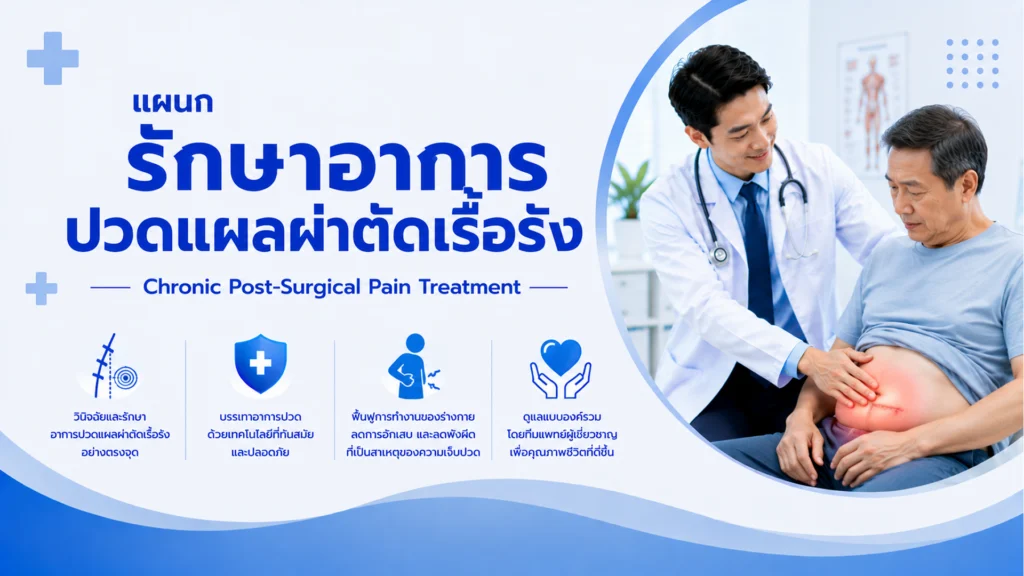
Chronic Postsurgical Pain (CPSP) is pain that develops or increases in intensity after a surgical procedure and persists beyond the expected healing period, typically for more than 3 months. It can occur after many types of surgery, including hernia repair, thoracic surgery such as lung surgery, breast surgery, cesarean section or hysterectomy, joint surgery, and limb amputation.
The Chronic Postsurgical Pain Department at Sapiens Hospital provides evaluation and treatment for patients with persistent pain following surgery. The reported incidence varies considerably depending on the type of procedure, study population, and diagnostic criteria. CPSP can affect quality of life, daily activities, sleep, mobility, and emotional well-being. Possible mechanisms include nerve injury, ongoing inflammation, scar-related pain, sensitization of the nervous system, or other conditions related to the surgical area. Before diagnosing CPSP, other causes such as infection, surgical complications, or recurrence or progression of the underlying disease should be considered. A pain specialist will assess the possible causes and individual risk factors before developing an appropriate multidisciplinary treatment plan.
Incidence of Chronic Postsurgical Pain
The frequency of CPSP varies widely among different surgical procedures and across studies. Some operations are associated with a higher risk of persistent pain, particularly when major nerve injury or extensive tissue disruption is involved. Examples of procedures in which chronic postsurgical pain has been reported include:
- Limb amputation Persistent residual limb pain or phantom limb pain may occur in a substantial proportion of patients.
- Thoracic surgery Chronic pain may occur after thoracotomy or other procedures involving the chest wall.
- Breast surgery Persistent pain may occur following mastectomy, breast-conserving surgery, or other breast procedures.
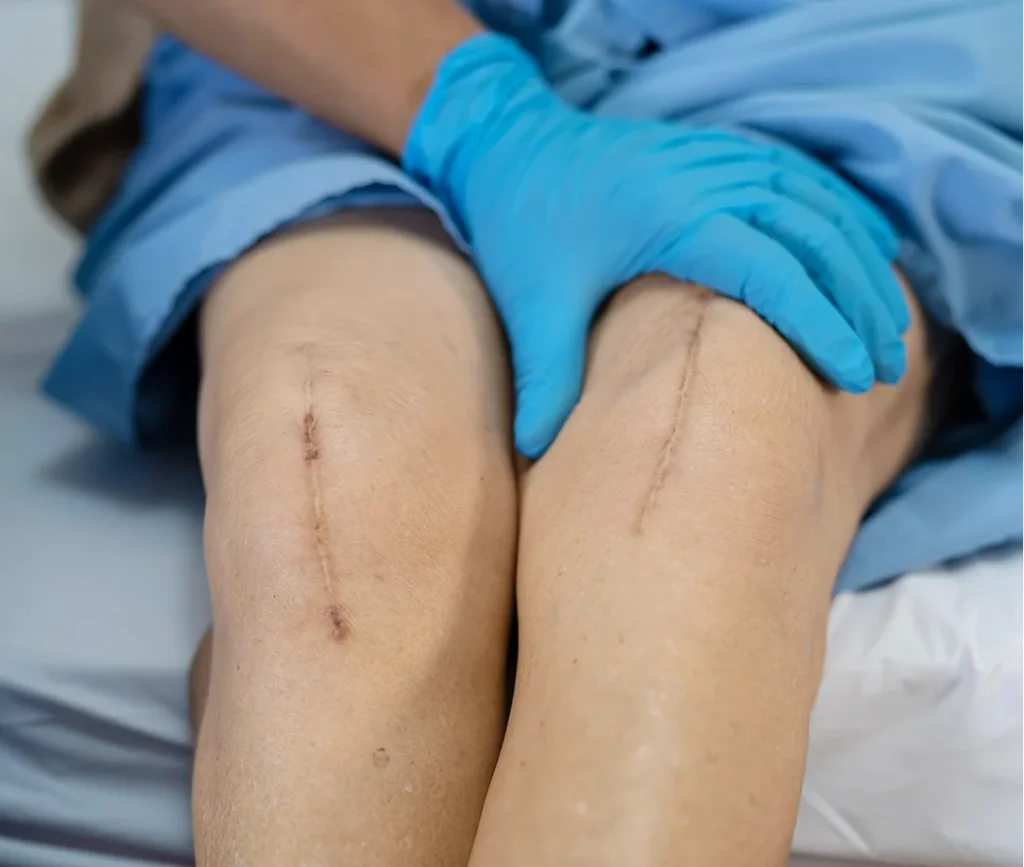
- Knee replacement surgery Some patients may continue to experience pain despite technically successful joint replacement.
- Abdominal surgery Persistent pain may occur after procedures involving the abdominal wall or internal organs.
Causes of Chronic Postsurgical Pain
CPSP is usually multifactorial and may involve biological, neurological, and psychosocial factors, including:
- Nerve injury or irritation during or after surgery
- Persistent inflammation, scar-related pain, infection, or other postoperative complications
- Sensitization of the nervous system which may increase the body’s response to painful or normally non-painful stimuli
- Psychological and psychosocial factors such as anxiety, depression, sleep disturbance, or pain-related fear, which may influence the severity and persistence of pain
Risk Factors for CPSP
Before Surgery
- Pre-existing chronic pain or pain at the surgical site
- Anxiety, depression, sleep problems, or other psychosocial factors
- Long-term opioid use or other factors associated with increased pain sensitivity
During Surgery
- Nerve injury or extensive tissue trauma during surgery
- The type, duration, and extent of the surgical procedure may influence the risk of subsequent persistent pain
After Surgery
- Severe or poorly controlled acute postoperative pain
- Infection or other postoperative complications
- Delayed recovery, limited mobility, or inadequate rehabilitation when rehabilitation is clinically indicated
Treatment of Chronic Postsurgical Pain
1. Medications for Pain Management
- Nonsteroidal anti-inflammatory drugs (NSAIDs) or other non-opioid pain medicines may be considered according to the type of pain, medical history, and contraindications.
- Medications used for neuropathic pain, such as Gabapentin, Pregabalin, or other appropriate agents, may be considered when neuropathic pain features are present.
- Certain antidepressants, such as Amitriptyline, Nortriptyline, or Duloxetine, may be used for selected patients with neuropathic or chronic pain.
- Topical local anesthetic treatment, such as Lidocaine patches, may be useful for selected patients with localized neuropathic pain.
- Opioids may be considered only in selected circumstances after careful assessment of potential benefit, adverse effects, tolerance, dependence, and other risks. Long-term opioid therapy is generally not the preferred first-line strategy for chronic postsurgical pain.
2. Interventional and Medical Techniques
- Local anesthetic or selected medication injections around an affected nerve may be considered for diagnostic or therapeutic purposes.
- Peripheral neuromodulation or non-invasive stimulation techniques may be considered in selected patients, depending on the pain mechanism and available treatment options.
- Spinal Cord Stimulation (SCS) may be considered for carefully selected patients with severe refractory neuropathic pain after appropriate conservative and interventional treatments have been insufficient.
3. Physical Therapy and Self-Management
- Individualized exercise and rehabilitation to improve mobility, strength, and function where appropriate
- Relaxation and stress-management techniques, which may include mindfulness, breathing exercises, or suitable forms of yoga
- Lifestyle modification, including gradual and appropriate physical activity, sleep management, and strategies for returning to daily activities
Approaches to Reducing the Risk of CPSP
- Multimodal perioperative analgesia using an individualized combination of pain-control strategies to improve acute postoperative pain control and reduce unnecessary opioid exposure
- Regional anesthesia or nerve blocks when appropriate to improve acute postoperative pain control in selected surgical procedures
- Preoperative assessment and psychological support when needed to identify chronic pain, anxiety, depression, sleep problems, or other modifiable risk factors before surgery
Chronic Postsurgical Pain (CPSP) can significantly affect a patient’s quality of life and often requires a multidisciplinary approach. Treatment may include medication, physical rehabilitation, psychological support, and selected pain interventions depending on the underlying pain mechanism. Patients who continue to experience significant pain after the expected recovery period should consult an appropriate physician or pain specialist for evaluation and individualized treatment.
Chronic Postsurgical Pain Department Services
- Nerve injections and nerve blocks may be considered for diagnostic or therapeutic purposes when pain is associated with a specific nerve affected by surgery.
- Spinal Cord Stimulation may be considered for carefully selected patients with severe refractory neuropathic pain who have not achieved adequate relief from appropriate conservative or less invasive treatments.
Frequently Asked Questions (FAQ)
1. When is pain after surgery considered abnormal or chronic?
Pain that persists or develops beyond the expected healing period and continues for more than 3 months after surgery may be classified as chronic postsurgical pain when other causes have been appropriately evaluated. Earlier medical assessment is recommended if pain is severe, worsening, associated with fever, redness, swelling, wound discharge, neurological symptoms, or other concerning changes.
2. Which types of surgery have a higher risk of CPSP?
The risk varies considerably among procedures and individual patients. Persistent pain has been reported particularly after procedures such as limb amputation, thoracic surgery, breast surgery, hernia repair, joint replacement, and some abdominal or pelvic operations. Exact percentages vary among studies and should not be used to predict an individual patient’s risk.
3. Can CPSP be prevented before surgery?
The risk cannot always be eliminated, but appropriate perioperative pain management may help. Strategies can include assessment of pre-existing pain and psychosocial risk factors, individualized multimodal analgesia, regional anesthesia or nerve blocks when appropriate, effective management of acute postoperative pain, and appropriate rehabilitation.
4. Can opioids be used to treat CPSP, and are they dangerous?
Opioids may occasionally be used in selected patients, but long-term treatment requires careful medical supervision because of risks such as sedation, constipation, tolerance, physical dependence, opioid use disorder, and overdose. Whenever possible, treatment generally emphasizes non-opioid medications and other therapies appropriate to the specific pain mechanism.
5. Which patients may be suitable for Spinal Cord Stimulation (SCS)?
SCS may be considered for selected patients with persistent, severe neuropathic pain that has not responded adequately to appropriate medications, rehabilitation, or less invasive interventions. A specialist evaluation and usually a trial stimulation period are required before permanent implantation, and the treatment does not guarantee complete pain relief.