A 20-Year Nightmare: Facing Chronic Abdominal Pain (Introduction)
Imagine waking up every single day to chronic abdominal pain and severe pain hypersensitivity (central and peripheral sensitization) lasting nearly 20 years. This persistent pain did not merely erode physical health; it steadily dismantled life’s daily joys, took away smiles, and turned simple routines—such as enjoying a meal or getting a restful night of restorative sleep—into an exhausting uphill battle. This was the prolonged nightmare that “Khun Rose” had to endure for two decades.
Throughout that time, Khun Rose relentlessly sought an accurate clinical diagnosis and an effective treatment regimen. Despite undergoing repeated medical evaluations, diagnostic workups, and interventions, she remained trapped in an unending cycle of debilitating suffering. Yet, Khun Rose’s clinical journey is not defined by despair; rather, it stands as an inspiring testament to perseverance until she encountered a pivotal medical turning point that pinpointed the true underlying etiology of her pain and restored her quality of life.
Symptoms, Etiology, and the Chronic Pain Cycle
Drawing from Khun Rose’s prolonged medical history, the presenting clinical symptoms, interrelated underlying etiologies, and functional impacts can be summarized as follows:
- Clinical Manifestations: Postprandial bloating, persistent dyspepsia, and sudden, severe acute-on-chronic abdominal pain paroxysms. The pain was characterized as a constant dull aching pain, intermittent cramp-like flares, or continuous unrelenting discomfort.
- Impact on Daily Life: The intractable, recurring pain episodes resulted in frequent hospital admissions and an escalating dependency on potent analgesics. Over time, this precipitated a debilitating cascade of anorexia, persistent insomnia, chronic stress, and clinical depression, severely impairing both physical well-being and psychological resilience.
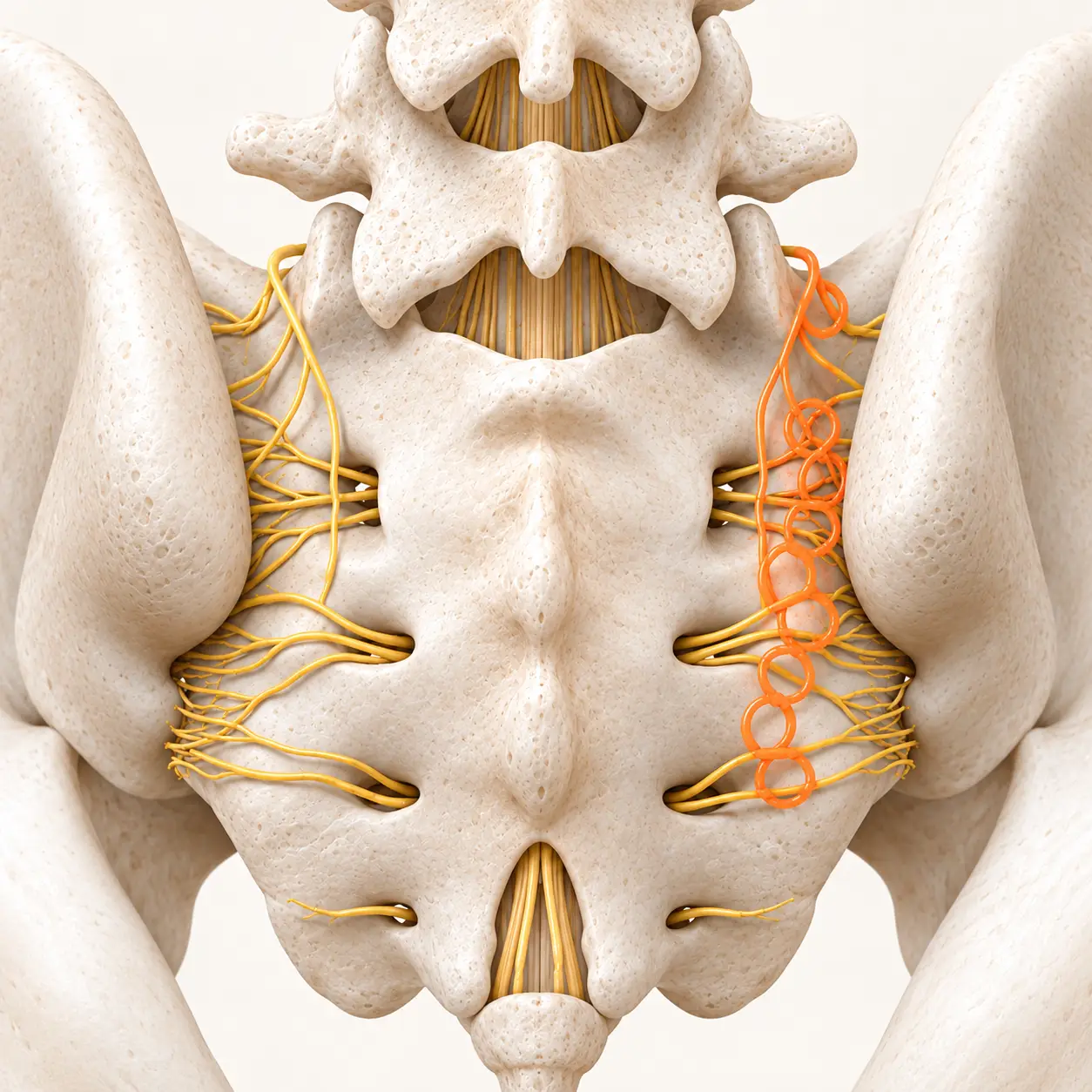
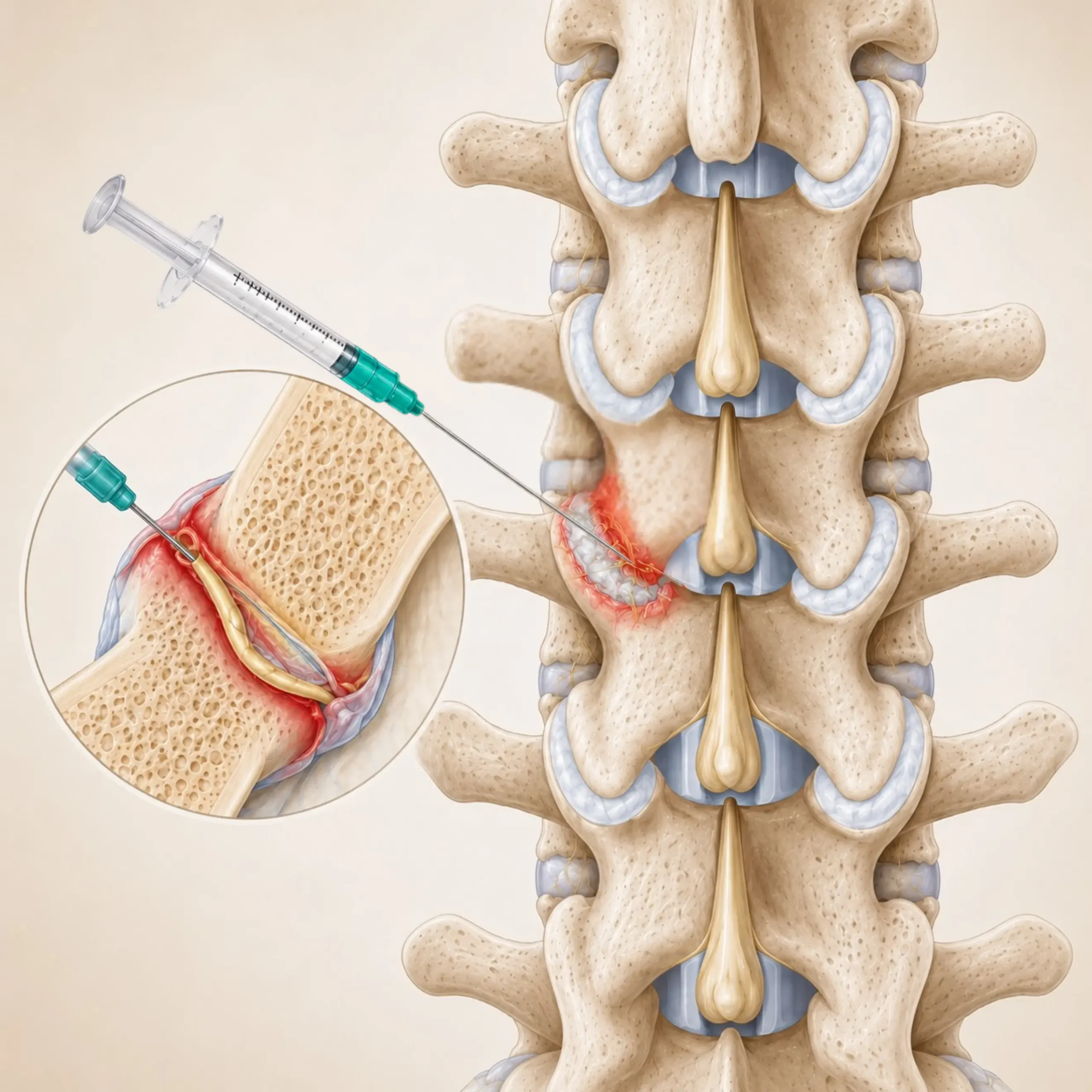
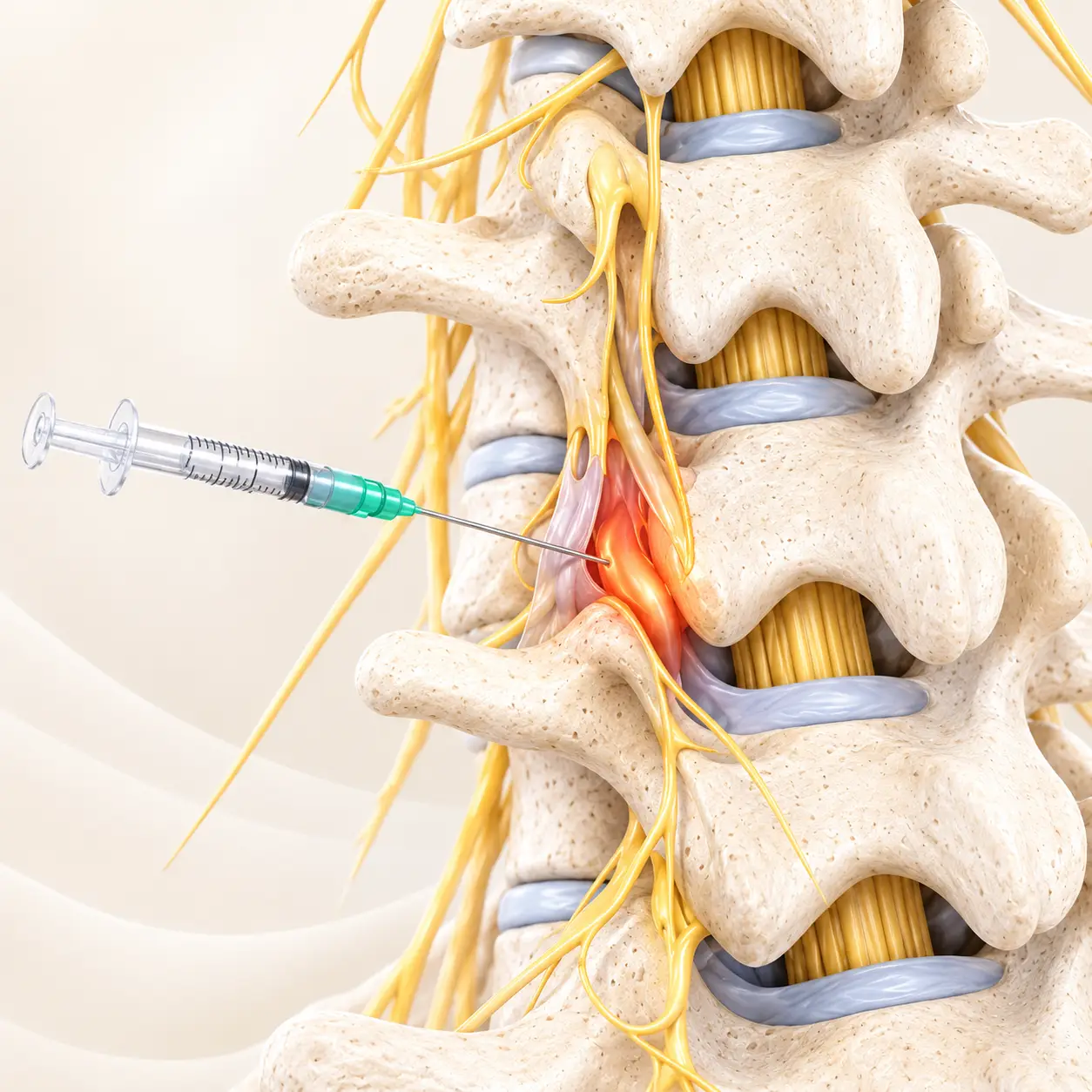
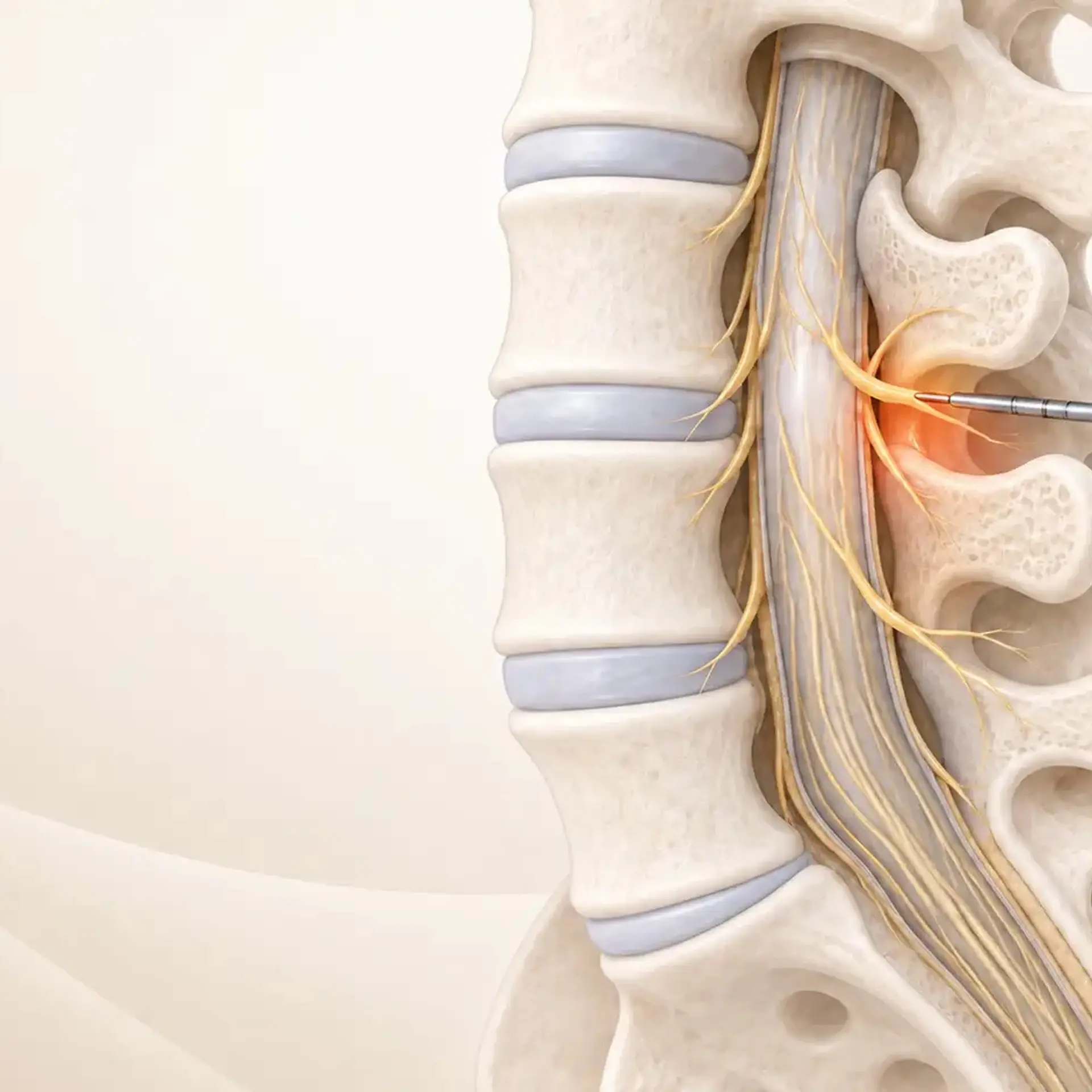
- Underlying Etiology and the Pain Cycle: The root etiology originated from an initial episode of ascites (intra-abdominal fluid retention), which necessitated nearly 10 subsequent surgical operations. These repetitive abdominal surgeries provoked dense peritoneal scar tissue and adhesions. In turn, these post-surgical adhesions caused direct mechanical traction, entrapment, and localized peripheral nerve inflammation (neuropathy) across targeted regional nerves, creating a primary anatomical focus that continuously transmitted intractable neuropathic pain signals.
Clinical Evaluation with Dr. Nattaya at Sapiens Hospital
Being caught in a repetitive post-operative chronic pain cycle without clear clinical answers often leads patients to utter hopelessness. However, Khun Rose’s decisive turning point occurred when she was referred for specialized evaluation and care with Dr. Nattaya Udomsakdi at Sapiens Hospital, an institution centered on identifying and treating the root etiology of chronic pain through personalized, precision medicine.
Dr. Nattaya executed a comprehensive, multimodal clinical assessment closely aligned with Khun Rose’s extensive past surgical and medical history:
- Comprehensive Pain History: A meticulous retrospective review of nearly 10 surgical procedures, the chronological onset and duration of pain, and specific somatic/neuropathic pain qualities to establish a clear clinicopathological link between dense scar adhesions and localized nerve trauma.
- Targeted Physical and Neurological Examination: Systematic palpation and assessment to map specific myofascial trigger points, evaluate peripheral sensory and nerve pathway dysfunction, and localize regions of nerve entrapment and localized inflammation.
- Diagnostic Laboratory and Imaging Investigations: Targeted diagnostic lab panels and high-resolution imaging modalities were indicated as necessary to confirm the diagnosis with pinpoint accuracy and rule out competing visceral pathologies.
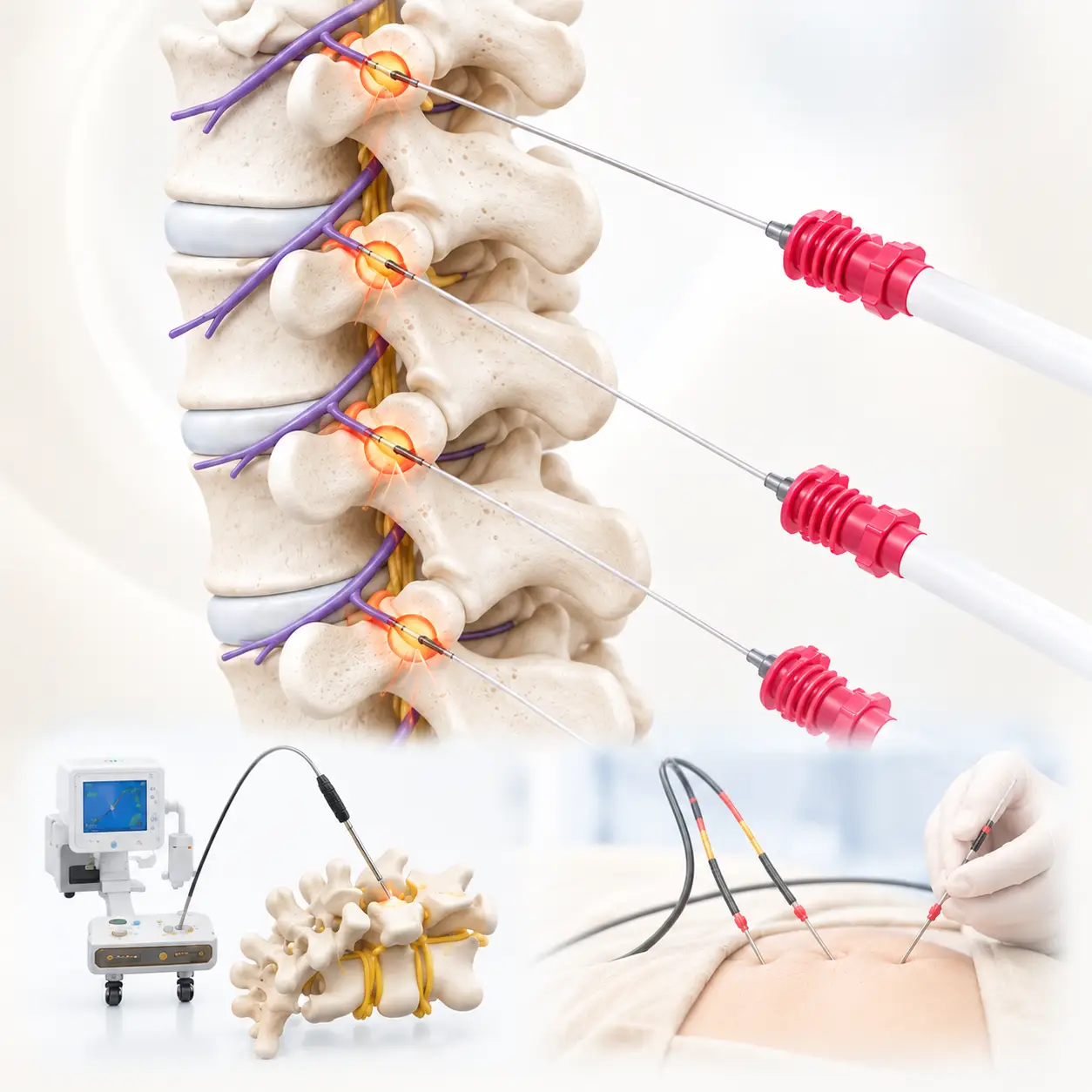
Upon establishing that the chronic pain was predominantly driven by peripheral nerve inflammation secondary to post-surgical adhesions, an integrative, multimodal care plan was formulated—combining targeted interventions with holistic health optimization to rehabilitate physical functioning and psychological well-being:
| Clinical Domain | Intervention and Management Protocol |
| Targeted Pain Management | Judicious, personalized pharmacotherapy to modulate neuropathic pain pathways and directly mitigate localized peripheral nerve inflammation, effectively reducing baseline pain intensity and functional limitations during daily activities. |
| Physical & Behavioral Modalities | Non-pharmacological approaches, including specialized physical therapy, gentle myofascial release, and trigger point deactivation, combined with structured pain diary tracking to identify and avoid clinical triggers. |
| Lifestyle & Dietary Optimization | Targeted lifestyle adjustments including gut-irritant dietary elimination, caffeine reduction, sleep hygiene stabilization, low-impact exercise regimens, and deep diaphragmatic breathing to regulate autonomic tone. |
| Psychological and Cognitive Support | Structured strategies targeting stress management, depressive symptoms, and cognitive pain reframing, directly addressing how central psychological factors amplify pain perception and neurogenic sensitivity. |
If you or someone close to you is suffering from undiagnosed or unresolved chronic abdominal pain, do not lose hope. Receiving specialized medical guidance, precise differential diagnosis, and sustained multidisciplinary care from expert clinicians like Dr. Nattaya at Sapiens Hospital represents a critical milestone toward breaking the pain cycle and reclaiming your quality of life.