
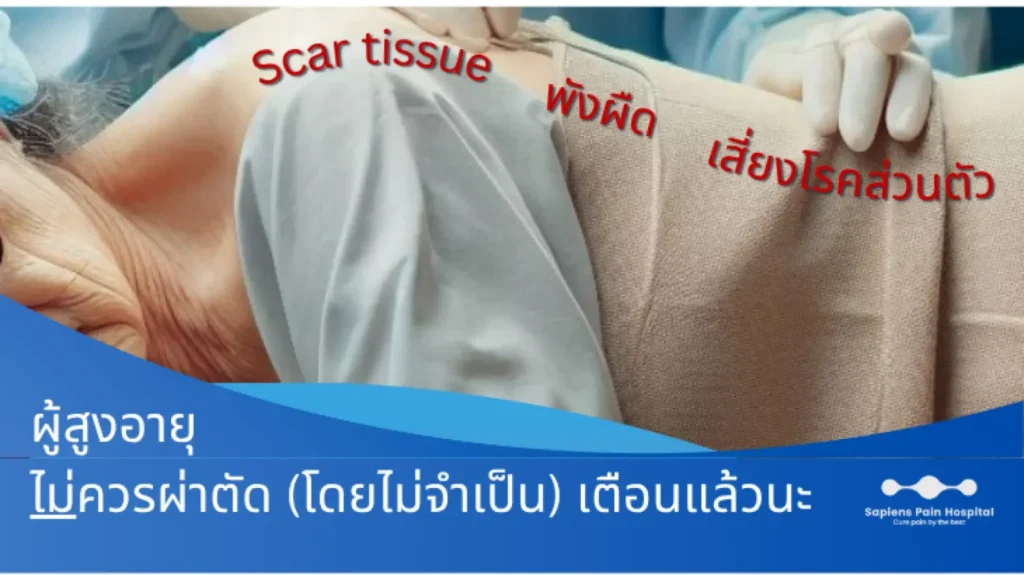
At Sapiens Hospital, patients with chronic back pain, particularly older adults, are carefully assessed before surgery is considered. For many patients without an urgent surgical indication, non-surgical treatment may be appropriate first. Depending on the actual diagnosis, this may include medication, physical rehabilitation, image-guided injections, or procedures such as radiofrequency ablation. Surgery, however, remains an important treatment when there is a clear structural problem, progressive neurological deficit, severe instability, or another condition for which surgery is expected to provide meaningful benefit.
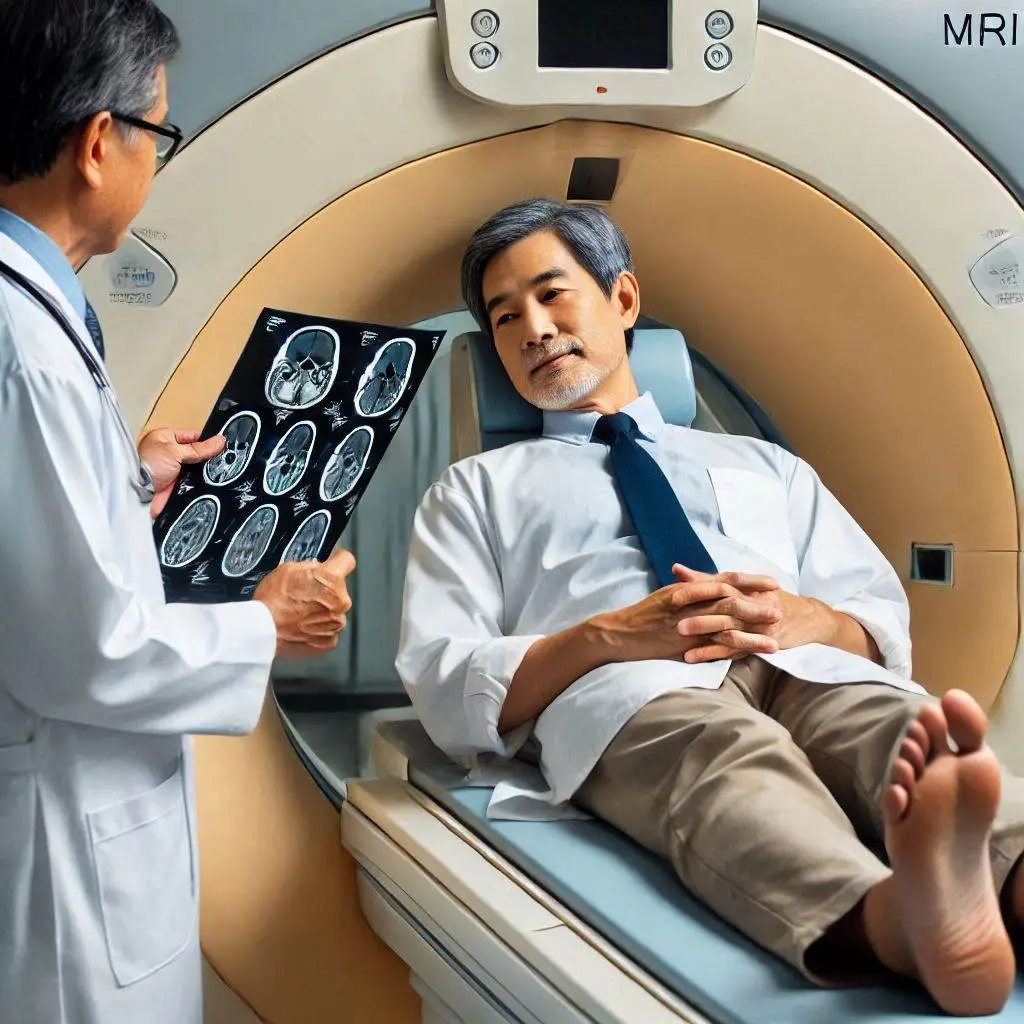
Why Unnecessary Surgery and General Anesthesia Should Be Avoided
- Tissue Injury and Scar Formation
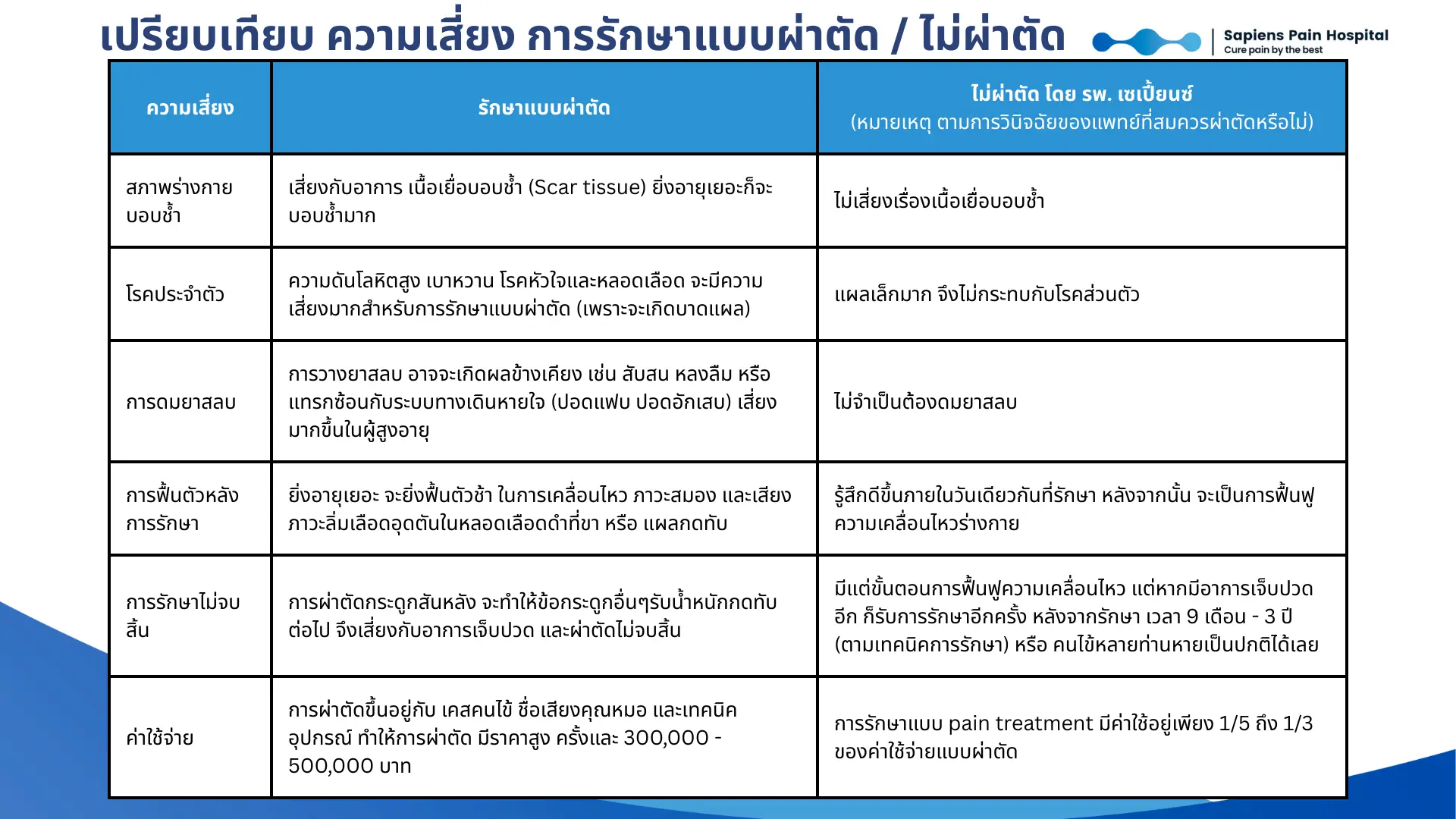
Any operation causes tissue injury as part of the surgical process, and healing may lead to scar formation. Older adults may have reduced physiological reserve, poorer tissue quality, osteoporosis, malnutrition, vascular disease, or other factors that can slow healing. However, age alone does not determine whether a person can heal successfully after surgery. - Risks Associated with Underlying Medical Conditions
Many older adults live with chronic conditions such as hypertension, diabetes, cardiovascular disease, or kidney disease. These conditions may increase perioperative risk depending on their severity and how well they are controlled. Examples include:- Hypertension: Poorly controlled blood pressure can increase cardiovascular and cerebrovascular risk during the perioperative period. Careful preoperative assessment and blood-pressure management can reduce these risks.
- Diabetes: Poor glucose control may increase the risk of infection and delayed wound healing. Blood glucose should therefore be appropriately managed before and after surgery.
- Cardiovascular Disease: Surgery and anesthesia place additional demands on the cardiovascular system. In patients with significant heart disease, risks such as arrhythmia, myocardial ischemia, or other cardiac complications may be higher and require careful assessment.
- Effects of General Anesthesia
Older adults may be more vulnerable to some effects of anesthesia because drug metabolism, renal function, cardiovascular reserve, and brain sensitivity may change with age. Some patients may experience postoperative delirium, temporary cognitive changes, nausea, respiratory problems, or prolonged recovery. The actual risk varies considerably between individuals and can be reduced through appropriate anesthetic planning and perioperative care. - Recovery After Surgery
Recovery can take longer in some older adults because of frailty, reduced muscle mass, limited mobility, or other illnesses. Prolonged inactivity can contribute to muscle loss and increase the risk of complications such as venous thromboembolism, pressure injuries, or loss of independence. Modern postoperative care therefore emphasizes early mobilization and individualized rehabilitation whenever appropriate. - Changes in Spinal Mechanics and Adjacent Segments
The cervical and lumbar spine consists of multiple motion segments that work together. Some types of spinal fusion alter motion and load distribution, and adjacent-segment degeneration may develop over time in some patients. However, this does not mean that every patient who undergoes surgery will inevitably require repeated surgery. The risk depends on the type of operation, underlying degeneration, spinal alignment, age, bone health, and other individual factors. - Cost and Overall Treatment Burden
Spine surgery may involve hospital, surgical, anesthesia, implant, rehabilitation, medication, and follow-up costs. Costs vary widely according to the procedure, hospital, implants, complexity, and insurance coverage. For this reason, the potential benefits, risks, alternatives, recovery requirements, and overall treatment burden should be discussed before surgery is chosen.
For these reasons, surgery that is unlikely to provide meaningful benefit should be avoided. At the same time, appropriate surgery should not be delayed solely because a patient is older. The goal is to identify the real source of symptoms and select the treatment with the most favorable balance of benefit and risk.

Principles of Pain Management
- Restore Function Through Pain Control and Rehabilitation Pain arising from the spine, joints, muscles, or nerves should first be accurately diagnosed. Treatment may then follow principles such as:
- Reduce pain sufficiently to allow safe movement and participation in rehabilitation. Depending on the diagnosis, this may involve medication, targeted injections, or selected interventional pain procedures.
- Restore strength and physical capacity. Muscles help support movement and contribute to spinal and joint function. Exercise and physical therapy should therefore be individualized to improve strength, mobility, balance, endurance, and function. Adequate protein and overall nutrition are also important, particularly in older adults at risk of muscle loss.
- Less Invasive Does Not Mean Risk-Free Image-guided injections and minimally invasive pain procedures generally involve less tissue disruption than major surgery, but they still have risks. Depending on the procedure, these may include bleeding, infection, allergic reaction, temporary pain, nerve injury, medication-related effects, or other procedure-specific complications. Older adults and patients with underlying diseases therefore still require appropriate assessment.
- Recovery May Be Shorter for Some Procedures Some minimally invasive procedures can be performed without prolonged hospitalization and may allow earlier return to activity than major surgery. However, the speed and degree of pain relief vary according to the diagnosis and procedure. Immediate or complete pain relief should not be guaranteed.
- Consider Overall Value, Not Cost Alone
- Some non-surgical treatments may cost less initially than major surgery, particularly when they successfully improve pain and function.
- Patients with complex pain, advanced degeneration, osteoporosis, neurological disease, or other health problems may require repeated treatment, rehabilitation, monitoring, or eventually surgery. Therefore, long-term cost varies considerably and should be assessed together with expected clinical benefit rather than using a fixed percentage comparison.
Sapiens Hospital does not oppose spinal surgery. The principle is to avoid unnecessary surgery and to select it when there is a clear indication and the expected benefits outweigh the risks. Patients with progressive weakness, loss of bladder or bowel control, saddle numbness, severe spinal instability, infection, tumor, fracture, or other serious neurological conditions may require urgent surgical assessment.
If you have further questions, please contact us. You can also view stories and experiences shared by patients who received treatment with us here.