
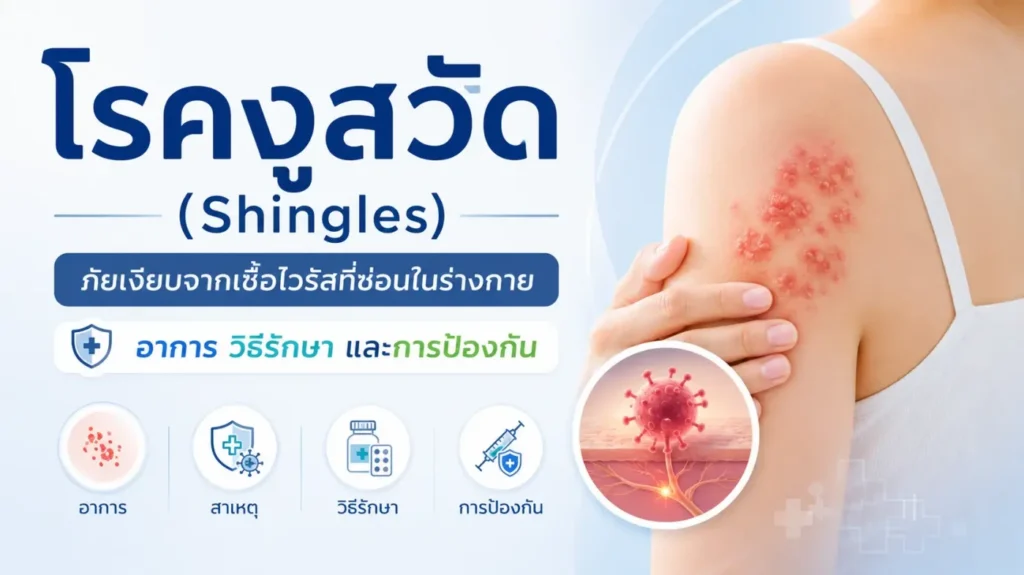
Shingles (Herpes Zoster): A Hidden Viral Threat in the Body — Symptoms, Treatment, and Prevention
Have you ever suddenly experienced burning or stinging pain on your skin, followed by a red rash and clusters of fluid-filled blisters around one side of your body? Many people may initially think it is simply a common skin condition, but these symptoms can actually be warning signs of “shingles” (Herpes Zoster), a condition that can cause significant nerve pain and may leave persistent pain long after the rash has healed if not treated appropriately.
1. What causes shingles?
Shingles is caused by the same virus that causes chickenpox, known as the Varicella Zoster Virus (VZV). After a person recovers from chickenpox, the virus does not completely disappear from the body. Instead, it remains dormant in the nerve ganglia. Years later, particularly when immunity declines due to aging, illness, certain medications, or other factors, the virus may reactivate and travel along the nerves, resulting in the characteristic shingles rash.
2. What are the symptoms of shingles?
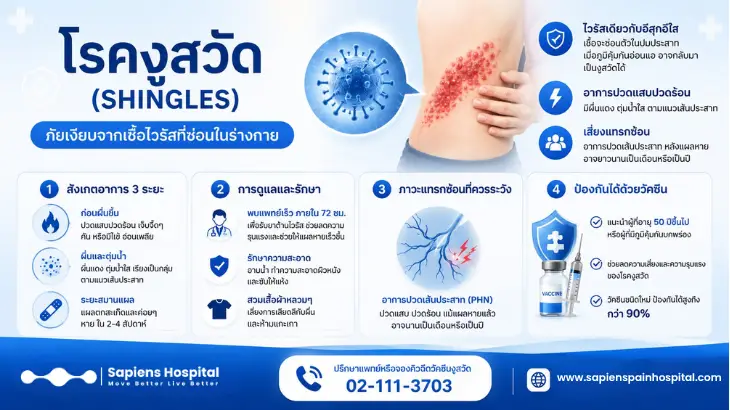
Shingles symptoms usually occur in a localized area along the affected nerve pathway. The condition can generally be divided into three main stages:
- Early stage (before the rash appears): Burning pain, stabbing or electric-shock-like pain, tingling, itching, or increased skin sensitivity may occur. Some people may also experience a low-grade fever, fatigue, or headache.
- Rash and blister stage: A red rash typically appears after the pain begins and develops into clusters of fluid-filled blisters along the affected nerve pathway. The rash usually occurs on only one side of the body, such as around the waist, chest, or face. The blisters may later become cloudy, rupture, and form scabs.
- Healing stage: The blisters gradually crust over and the skin lesions usually heal within approximately 2–4 weeks.
⚠️ Caution: If shingles develops on the face or near the eye, seek medical attention promptly. Shingles involving the eye can cause serious eye inflammation and, in severe cases, may threaten vision.
3. What should you do if you have shingles? (Treatment and self-care)
If you suspect that you have shingles, it is important to see a doctor as early as possible. Antiviral treatment is most effective when started promptly, particularly within the first 72 hours after the rash appears, and may help reduce the severity and duration of the illness.
Recommended care for shingles:
- Do not scratch or pop the blisters: Avoid scratching, picking, or puncturing the blisters because this may increase the risk of secondary bacterial infection and scarring.
- Keep the skin clean: Gently wash the affected skin with mild soap and water, then pat it dry.
- Use a cool compress: A clean cloth dampened with cool water may be applied to the affected area to help relieve burning and discomfort.
- Wear loose-fitting clothing: This can help reduce friction and irritation over the rash.
- Avoid exposing vulnerable people: Fluid from shingles blisters contains VZV and can transmit the virus to a person who is not immune, causing chickenpox rather than shingles. Keep the rash covered when possible and avoid direct contact with people at higher risk until the lesions have crusted over.
4. An important complication: Postherpetic Neuralgia (PHN)
One of the most concerning complications of shingles is not the rash itself, but Postherpetic Neuralgia (PHN). This complication is more common in older adults. Patients may continue to experience burning, stabbing, or electric-shock-like nerve pain in the area where the rash occurred even after the skin lesions have completely healed. The pain can persist for months and, in some people, even longer, significantly affecting sleep, daily activities, and quality of life.
5. An important method of prevention: Shingles vaccination
Shingles and its complications can be significantly reduced through shingles vaccination.
- Who should consider vaccination? Adults aged 50 years and older and certain younger adults with weakened or suppressed immune systems should discuss shingles vaccination with their doctor.
- Effectiveness: The recombinant zoster vaccine (RZV) is highly effective at preventing shingles and postherpetic neuralgia (PHN), with effectiveness exceeding 90% in many studied groups.
Comprehensive Shingles Prevention and Care at Sapiens Hospital
We understand how shingles and postherpetic neuralgia (PHN) can affect the quality of life of patients and their loved ones. Sapiens Hospital provides comprehensive care supported by specialist physicians and appropriate medical technologies:
- Proactive Vaccination Center: Shingles vaccination with the recombinant zoster vaccine (RZV) is available to help strengthen protection and reduce the risk of shingles and its complications.
- Pain Management Center: For patients experiencing acute nerve pain from shingles or persistent pain after shingles, our pain management specialists provide individualized assessment and treatment planning to help reduce pain, restore function, and improve quality of life.
Do not let persistent pain interfere with your quality of life. Consult a specialist at Sapiens Hospital today.
See a shingles pain treatment case from our hospital
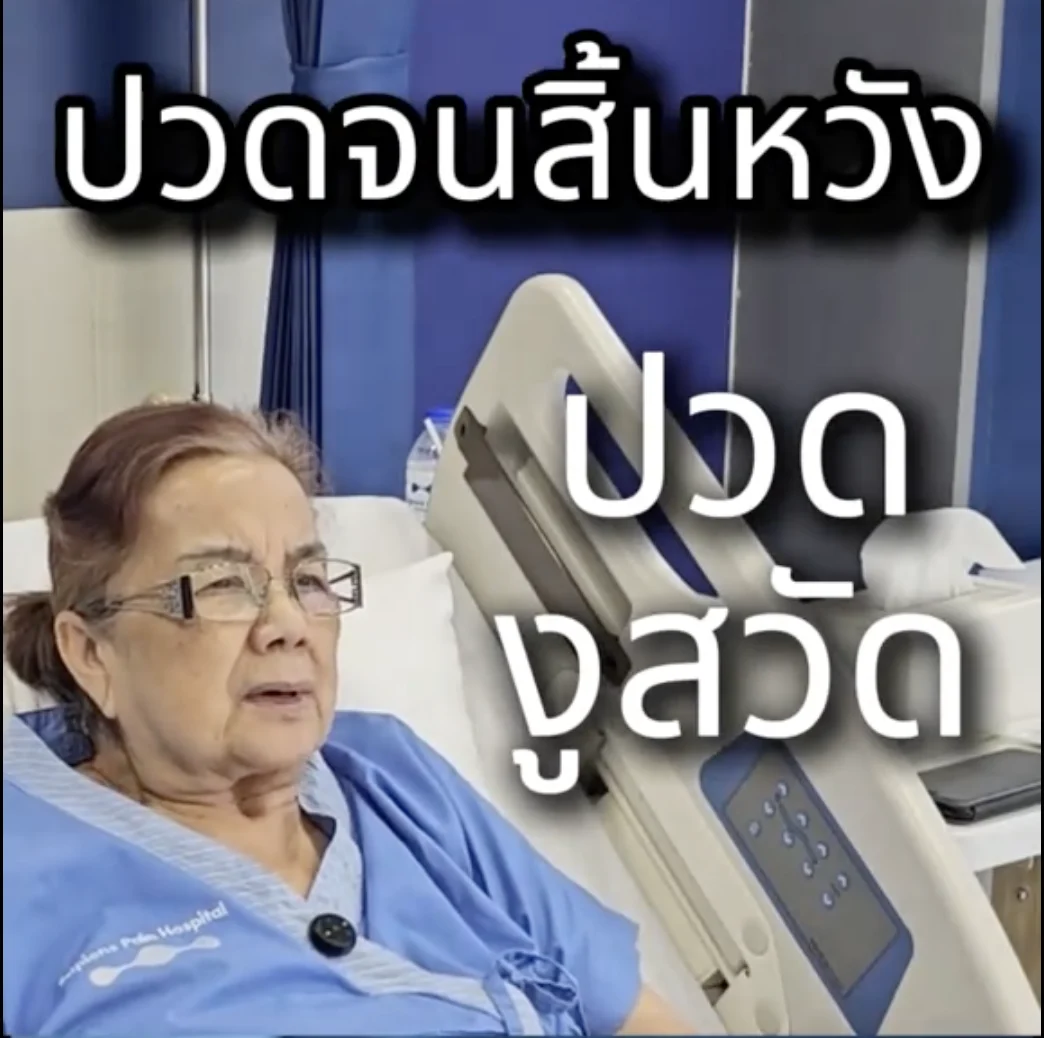
View the case here: Shingles Pain Treatment at Sapiens Hospital
Consult a specialist for diagnosis or book your shingles vaccination today.
02-111-3703