
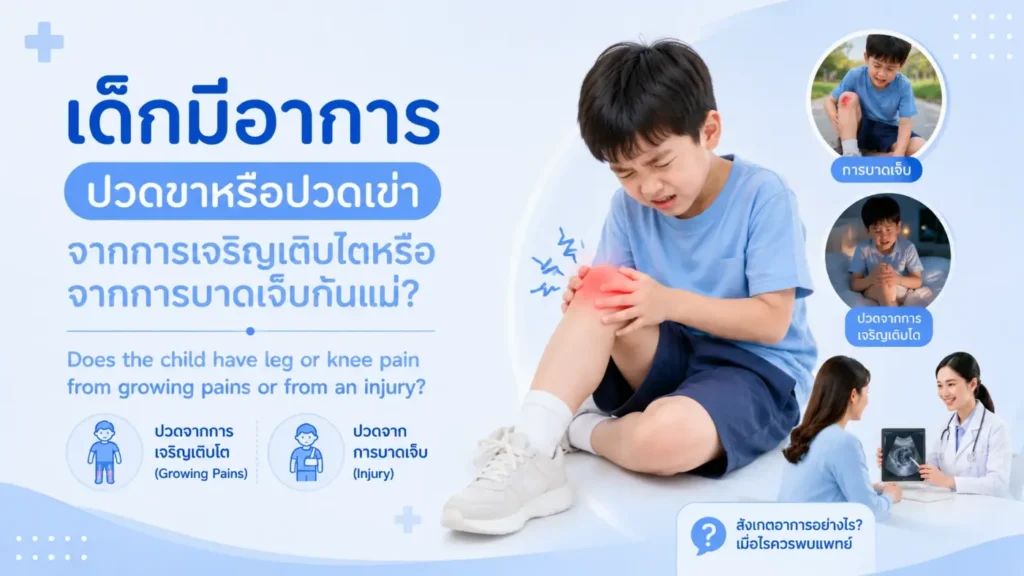
Leg or Knee Pain in Children: Growing Pains or an Injury?
Hearing your child say “my leg hurts” or “my knee hurts” is something many parents experience. Some children wake up crying at night because their calves hurt. Others come home from school complaining of knee pain when climbing stairs. Sometimes, after playing sports, a child begins to limp, leaving parents unsure whether this is simply “growing pain” or an injury that should be medically evaluated.
This is an important question because leg pain in children can range from harmless conditions such as growing pains or benign nocturnal limb pains to sports injuries, tendon irritation, traction apophysitis, small fractures, joint inflammation, infection, or other conditions that may require prompt treatment. One important message for parents is:
“Leg pain in children should not automatically be attributed to growth.” The timing of pain, its location, whether it affects one or both sides, how the child walks, whether there is swelling or redness, fever, and how the pain affects activity all need to be considered.
What Are Growing Pains?
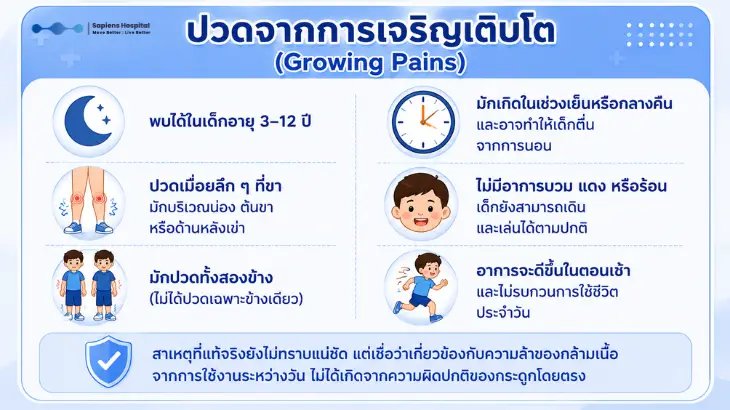
Growing pains is a long-used term for recurrent leg pain in children that commonly occurs in the evening or at night. Symptoms tend to come and go, and the child usually walks, plays, and functions normally again by morning. NHS information describes growing pains as commonly occurring in children around 3–12 years old, often as aching or throbbing pain in both legs, usually in the evening or at night and resolving by morning.
Although the name sounds as if the pain is caused by “the bones growing,” there is no clear evidence that the pain is directly caused by bone growth. Some theories suggest that muscle fatigue after active play or heavy use of the legs during the day may contribute, but the true cause is likely multifactorial. Growing pains are not considered to be directly caused by growth, and most affected children have a normal physical examination.
Features That Fit With Growing Pains
Symptoms that are consistent with growing pains are often described as deep aching or soreness in the thighs, calves, shins, or behind the knees. The pain is commonly on both sides, although both legs do not necessarily hurt at exactly the same time. The pain is usually not isolated to one joint. There should be no swelling, redness, warmth, fever, or clear history of injury. A child may cry with pain at night, but by morning the pain usually resolves, walking is normal, there is no limp, and the child can attend school and play normally.
Published reviews describe growing pains as a non-inflammatory pain syndrome and a common cause of musculoskeletal pain in children. Reported prevalence varies considerably between studies because diagnostic definitions and research methods differ.
Another important feature is that the physical examination should be normal. If there is joint swelling, a clearly localized tender point, muscle wasting, reduced joint movement, abnormal walking, or pain repeatedly occurring at exactly the same site, the symptoms may not represent ordinary growing pains. Growing pains are generally considered a diagnosis of exclusion, meaning other conditions should be considered when the pattern is atypical.
What Kind of Pain Is Less Likely to Be Growing Pains?
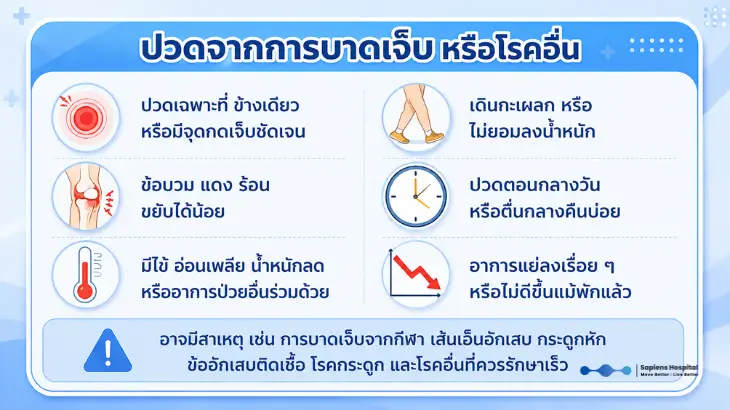
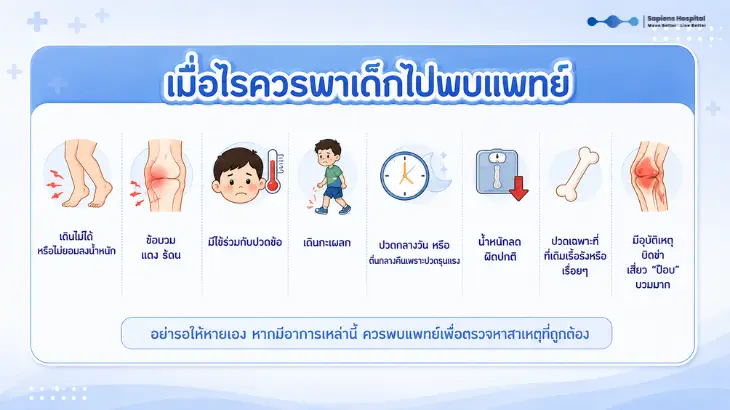
If the child has clear one-sided leg pain, repeated pain in the same location, daytime pain, progressively worsening pain, refuses to walk, develops a limp, has swelling, redness, warmth, localized tenderness, fever, weight loss, unusual fatigue, persistent severe night pain, or symptoms that remain in the morning, medical evaluation is recommended because these are not typical features of growing pains.
Other pediatric health guidance also recommends medical assessment when a child has severe pain, one-sided pain, persistent daytime pain, fever, poor appetite, rash, swelling, redness, tenderness, or limping, as these features may indicate another underlying condition.
Children who limp or refuse to bear weight deserve particular attention. Pediatric clinical guidance recommends systematic assessment of a limping or non-weight-bearing child. Markedly reduced joint movement may raise concern for serious conditions such as septic arthritis, which requires prompt treatment.
Knee Pain in Children May Not Be Growing Pain
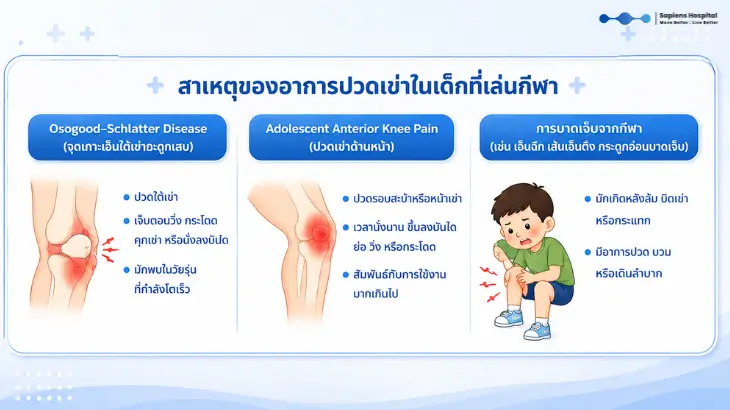
Knee pain is common in children and adolescents, especially those who participate in running, jumping, football, basketball, gymnastics, badminton, or sports requiring rapid changes of direction. Growing pains usually do not remain localized to a specific part of the knee and generally do not cause limping. Pain at the front of the knee, below the kneecap, along the side of the knee, or pain that appears during sport is more suggestive of overuse or injury.
Osgood-Schlatter disease is a common cause of knee pain in growing, physically active adolescents. It occurs below the knee where the patellar tendon attaches to the tibia. Children often feel pain when running, jumping, kneeling, or climbing stairs, and a noticeable bump may develop below the knee. AAOS describes Osgood-Schlatter disease as irritation at the tibial tubercle where the patellar tendon attaches to the tibia, commonly affecting growing adolescents.
Another condition is adolescent anterior knee pain or patellofemoral pain, which commonly causes pain in front of or around the kneecap, particularly after sitting with the knees bent for a long time, climbing stairs, squatting, running, or jumping. AAOS notes that adolescent anterior knee pain is frequently associated with overuse or training patterns without adequate flexibility and strengthening work. Many cases improve with activity modification, rest, and an appropriate strengthening program.
How to Recognize a Sports Injury
If there is a history of falling, twisting the knee, tripping while running, direct impact, or hearing a “pop” followed by pain, swelling, difficulty walking, or a feeling that the knee is unstable, injury to a ligament, muscle, cartilage, or bone should be considered. Younger children may not describe the event clearly, but parents may notice limping, avoiding one leg, or refusing activities they normally enjoy.
Initial care after a minor injury should include stopping the activity that causes pain, resting the injured area, applying a cold pack during the first 24–48 hours, and avoiding vigorous massage early on. If the child cannot bear weight, medical assessment is recommended. Pediatric sprain guidance commonly advises rest, cold application for around 10–15 minutes at a time, and temporary walking support when needed.
However, if there is severe swelling, intense pain, obvious deformity, numbness, weakness, a cold foot, abnormal skin color, inability to walk, or progressively worsening pain, do not simply wait and observe. These findings may indicate a fracture, dislocation, or another injury requiring imaging and medical evaluation.
A Child With a Hip Problem May Complain of Knee Pain
One point many parents do not realize is that some hip conditions in children can cause referred pain to the thigh or knee. This is because pain signals from the hip can be perceived at the knee. In adolescents, particularly those who are growing rapidly or have higher body weight, persistent one-sided knee pain accompanied by limping, hip pain, or thigh pain should prompt assessment of the hip as well.
Royal Children’s Hospital Melbourne guidance for a limping child recommends examining the joints above and below the reported site of pain, as well as assessing gait, joint range of motion, and neurological function, because the place where a child reports pain is not always the true site of the problem.
Joint Inflammation or Infection Must Not Be Missed
A child with joint pain together with swelling, redness, warmth, severe restriction of movement, high fever, or refusal to walk should be evaluated promptly for septic arthritis, osteomyelitis, or other inflammatory joint disorders. Joint infection is an urgent condition because delayed treatment can damage the joint.
RCH guidance on the acutely swollen joint recommends evaluating fever and the child’s overall condition, inspecting, palpating and moving the affected joint, comparing both sides, and assessing gait and neurological function while considering infection and other inflammatory conditions.
In practice, if a child has fever together with leg pain, refuses to bear weight, or has a swollen and warm joint, the doctor may consider blood tests, X-rays, ultrasound, MRI, or urgent referral depending on the severity and suspected cause. These symptoms should not be labeled as growing pains because growing pains should not cause fever, joint swelling, or inability to walk.
Night Pain Must Be Interpreted Carefully
Many people assume that “pain at night” automatically means growing pains, but this is not always true. Growing pains do commonly occur in the evening or at night, but they should resolve by morning, should not cause limping, and the child should remain well during the day. Severe night pain that progressively worsens, repeatedly occurs at exactly the same location, frequently wakes the child, or is accompanied by weight loss, pallor, fatigue, or fever should be medically evaluated.
Medical literature on warning signs of childhood cancer notes that persistent or recurrent bone pain, particularly when it occurs at night and wakes a child, can rarely be an early sign of serious disease. Although uncommon, it should not be ignored when other abnormal symptoms are present.
What Tests May Be Needed When a Child Has Leg or Knee Pain?
The most important assessment begins with the history and physical examination. The doctor will ask when the pain began, where it is located, whether it affects one or both sides, when it occurs, whether it follows sport or exercise, whether an injury occurred, whether the child is limping, and whether there is fever, swelling, redness, weight loss, or another illness. Questions may also include sport type, footwear, playing surface, training routine, and whether activity intensity increased too quickly.
Physical examination may include gait, leg length, range of motion of the hips, knees, and ankles, areas of tenderness, swelling, warmth, muscle strength, neurological function, and weight-bearing. If symptoms are clearly consistent with growing pains, the examination is normal, and there are no red flags, X-rays or blood tests may not be immediately necessary. If abnormalities are present, the doctor may consider X-rays, CBC, ESR/CRP, ultrasound, MRI, or referral to pediatric orthopedics depending on the clinical findings.
Treatment of Growing Pains
If the symptoms fit growing pains and the doctor finds no warning signs, treatment is usually supportive. Gentle massage, a warm compress, light stretching before bedtime, adequate rest, and an age- and weight-appropriate pain reliever when needed may help. NHS guidance notes that gentle leg massage, warmth, and appropriate pain relief can help reduce discomfort from growing pains.
Parents can reassure the child that the pain is not caused by anything the child has done and does not automatically mean a serious disease. At the same time, keeping a record of the timing, location, frequency, and possible triggers can help identify whether the pattern remains typical or begins to change in a concerning way.
Treatment of Knee Pain From Overuse
If the problem is Osgood-Schlatter disease, patellofemoral pain, or an overuse injury, treatment usually does not mean stopping sport permanently. Instead, activity is modified, painful activities are temporarily reduced, thigh and calf flexibility is improved, hip and thigh muscles are strengthened, footwear and training surface are reviewed, and the child gradually returns to sport as symptoms improve.
AAOS notes that adolescent anterior knee pain often improves with relatively simple measures such as activity modification, appropriate pain relief, and strengthening exercises, with the goal of returning the child safely to sport.
For young athletes, one common problem is continuing to play despite pain because they fear losing their position on the team or do not want to stop training. Persistent pain can lead to compensatory movement, muscle weakness, and longer recovery. Medical or physical therapy assessment can therefore help create a safer return-to-sport plan rather than simply banning all activity without guidance.
When Should a Child Be Seen Urgently?
Seek urgent medical assessment if the child cannot walk, refuses to bear weight, has a swollen, red or hot joint, severe pain after an accident, an obvious deformity, fever with joint pain, marked drowsiness, progressively worsening localized pain, persistent night pain that repeatedly wakes them, weight loss, pallor, fatigue, numbness, or weakness.
Arrange medical review soon if a child repeatedly has pain on one side, pain in the same location, daytime pain, persistent pain after sport, knee pain that makes climbing stairs difficult, limping even without fever, or symptoms that do not improve after 1–2 weeks of rest and basic care. Further assessment may be needed for overuse injury, growth plate injury,
biomechanical problems, or other joint and bone conditions.
Frequently Asked Questions From Parents
- My child often has leg pain at night but is normal in the morning. Should I worry?
If the pain affects both legs, feels like an ache, there is no swelling, redness, fever, or limping, and the child is completely well and active in the morning, the pattern may be consistent with growing pains. However, continue to observe the pattern. If pain becomes one-sided, repeatedly affects the same location, or begins occurring during the day, medical assessment is recommended. - How is growing pain different from Osgood-Schlatter disease?
Growing pains are generally broad leg aches occurring in the evening or at night and resolving by morning. Osgood-Schlatter disease typically causes localized pain below the knee, particularly during running, jumping, kneeling, or sport, and a bump may be noticeable below the knee. The two conditions therefore require different assessment. - My child has leg pain after sport. How long should they stop playing?
This depends on the cause and severity. Mild muscle fatigue may need only a short period of rest, while an overuse injury may require temporary reduction of activities that provoke pain, followed by a gradual return once symptoms are controlled. If the child is limping, has severe pain, or develops swelling, medical evaluation is recommended. - Does every child need an X-ray?
Not necessarily. If the symptoms are clearly consistent with growing pains and the physical examination is normal, imaging may not be needed. However, if there has been trauma, localized pain, inability to walk, joint swelling, persistent one-sided pain, or other red flags, the doctor may consider X-rays or other investigations as appropriate.
Leg or knee pain in children can range from harmless growing pains to sports injuries, septic arthritis, or bone and joint conditions that require further evaluation. Reassuring features include pain in both legs during the evening or at night, resolution by morning, normal walking, no swelling or redness, no fever, and normal daytime activity. However, one-sided pain, pain repeatedly occurring at the same location, limping, joint swelling, fever, daytime pain, or progressively worsening pain should not automatically be labeled as growing pains without medical assessment.
Good care begins by taking the child’s pain seriously, observing how they walk, identifying the exact location of pain, assessing how symptoms affect activity, and seeking medical evaluation when warning signs are present. Distinguishing early between growing pains, overuse injuries, and true traumatic injuries helps children return to play, school, and movement more safely and confidently.
If a child cannot walk or has severe pain, a swollen red or hot joint, fever, persistent one-sided pain, severe night pain, weight loss, or rapidly worsening symptoms
seek medical assessment promptly.
Sapiens Hospital
Move Better:Live Better
Tel. 02-111-3703
References
NHS. Growing pains. Uziel Y, Hashkes PJ. Growing pains in children. Pediatric Rheumatology.
Royal Children’s Hospital Melbourne. The limping or non-weight bearing child.
Royal Children’s Hospital Melbourne. The acutely swollen joint.
American Academy of Orthopaedic Surgeons. Osgood-Schlatter Disease.
American Academy of Orthopaedic Surgeons. Adolescent Anterior Knee Pain.
American Academy of Family Physicians. Signs and Symptoms of Childhood Cancer.