
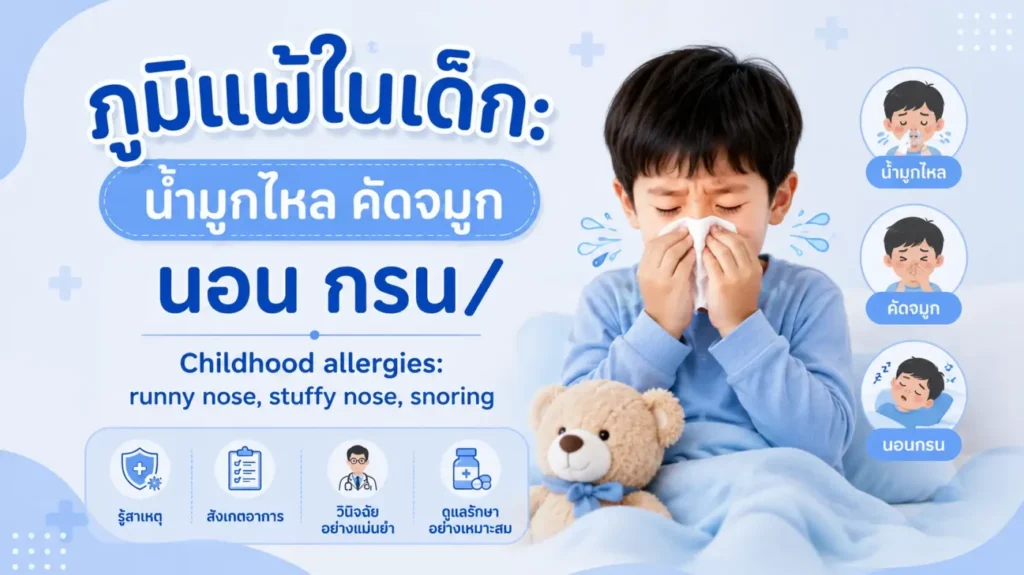
Allergies in Children: Runny Nose, Nasal Congestion, and Snoring
Children with a runny nose, nasal congestion, frequent sneezing, nose rubbing, mouth breathing during sleep, noisy breathing, or nighttime snoring are common sights in many families. Sometimes, these symptoms are dismissed as “just allergies” or “frequent childhood colds.” In reality, however, these symptoms can affect a child’s quality of life more than they appear to. Chronic nasal obstruction can interfere not only with breathing but also with sleep, eating, concentration, learning, and mood. In some children, it may also be associated with sleep-disordered breathing or obstructive sleep apnea.
Allergic rhinitis is common in children and occurs when the lining of the nose becomes inflamed in response to allergens such as dust mites, household dust, animal dander, pollen, mold, or airborne pollutants. Typical symptoms include nasal congestion, clear nasal discharge, sneezing, an itchy nose, and itchy eyes. In some children, nasal congestion may be the most prominent symptom and may present as snoring, mouth breathing, a nasal-sounding voice, or difficulty breathing through the nose rather than simply a runny nose. The Royal Children’s Hospital Melbourne notes that allergic rhinitis in children may cause sneezing, nasal itching, nose rubbing, nasal congestion, mouth breathing, and snoring, often in association with triggers such as dust, dust mites, mold, pets, or seasonal pollen.
Why Can Allergic Rhinitis Cause Snoring in Children?
When the nose becomes inflamed, the nasal lining swells, mucus increases, and the upper airway becomes narrower. This makes nasal breathing more difficult during sleep. A child may breathe through the mouth, breathe noisily, toss and turn, sleep poorly, or snore. If the adenoids or tonsils are already enlarged, nasal congestion from allergies may further narrow the airway.
It is important to understand that snoring in children should not always be considered harmless. Some children snore temporarily because of a cold or allergy-related congestion. However, if a child snores almost every night, sleeps with the mouth open, has pauses or interruptions in breathing, sleeps restlessly, wakes unrefreshed, has reduced concentration, daytime sleepiness, or increased irritability, medical assessment is recommended because these symptoms may be associated with sleep-disordered breathing or obstructive sleep apnea. AAP guidance emphasizes screening children who snore regularly, as pediatric obstructive sleep apnea is commonly associated with enlarged tonsils and adenoids and with obesity.
Scientific reviews examining allergic rhinitis and sleep in children have found an association between allergic rhinitis and habitual snoring, and allergic rhinitis may contribute to the risk or severity of obstructive sleep apnea in some children. However, the strength of this association varies among studies.
How Is Allergic Rhinitis Different from a Common Cold?
A common cold is usually caused by a viral infection. Symptoms often begin suddenly and may include fever, sore throat, cough, body aches, or fatigue. Symptoms commonly improve within several days to about a week, although some may last longer. Nasal discharge may change from clear to thicker yellow or green mucus during the illness; this change alone does not necessarily mean antibiotics are required.
Allergic rhinitis tends to recur or persist for longer periods. Children commonly have clear nasal discharge, repeated sneezing, nasal or eye itching, frequent nose rubbing, and congestion that is worse at night or in the morning. High fever is generally absent, and symptoms may become more noticeable after exposure to triggers such as dust, air-conditioned rooms, stuffed toys, old bedding, mattresses, pets, cigarette smoke, incense smoke, or changes in weather. Clinical guidance describes the key symptoms of allergic rhinitis as nasal congestion, nasal itching, rhinorrhea, and sneezing. Postnasal drip related to nasal inflammation may also cause coughing or a sensation of mucus in the throat.
Some children can have both allergic rhinitis and viral colds. A child with underlying chronic allergic rhinitis may develop more severe nasal congestion during a cold, cough for longer, snore more, and appear to have a “cold that never goes away.” If this pattern occurs repeatedly, underlying allergic rhinitis should be considered.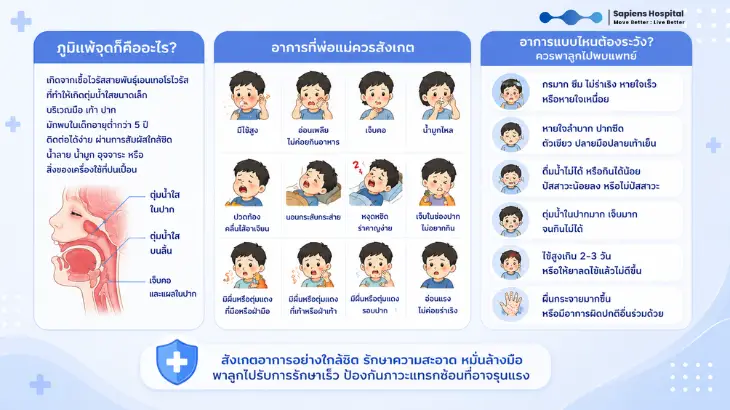
Symptoms Parents Should Watch For
Children with allergic rhinitis commonly have clear nasal discharge, nasal congestion, morning sneezing, an itchy nose, frequent nose or eye rubbing, occasional red or watery eyes, dark circles under the eyes, a nasal-sounding voice, frequent throat clearing, nighttime dry cough, or coughing after waking. Some children sleep with their mouth open, drool during sleep, wake with a dry mouth, or snore regularly.
When nasal congestion is chronic, children may eat less because breathing through the mouth while chewing is difficult. Poor-quality sleep may also cause daytime irritability, sleepiness, reduced concentration, or behavior that appears unusually hyperactive. Young children may not be able to describe their symptoms and may instead become fussy, sleep restlessly, rub their face, or breathe noisily.
Is Allergic Rhinitis Related to Asthma?
Allergic rhinitis and asthma are closely related because the nose and bronchial tubes are parts of the same respiratory system. Children with allergic rhinitis should therefore also be assessed for symptoms such as coughing after exercise, nighttime cough, wheezing, chest tightness, or becoming easily short of breath, particularly if there is a family history of allergies, asthma, or atopic dermatitis. The ARIA approach emphasizes considering the respiratory tract as a whole rather than treating the nose and lungs as completely separate systems.
In practice, children with chronic nasal obstruction may cough at night because of postnasal drip. However, if coughing occurs after exercise or in cold air, or is accompanied by wheezing or shortness of breath, coexisting asthma should be considered. Treatment should not rely indefinitely on antihistamines or cough medicines without assessing the lower airways.
What Tests May Be Needed?
The doctor will begin with a detailed medical history, including how long symptoms have been present, whether they occur every day or seasonally, whether fever is present, whether nasal discharge is clear or thick, whether the child has an itchy nose or eyes, nighttime coughing, snoring, pauses in breathing, or mouth breathing, and whether symptoms are related to the bedroom, school, pets, dust, carpets, stuffed toys, cigarette smoke, or other exposures. A family history of allergic disease will also be considered.
The physical examination may include the nose, nasal lining and discharge, breathing pattern, tonsils, mouth, palate, facial features, ears, lungs, and skin. Findings may include swollen or pale nasal mucosa, clear nasal discharge, dark circles under the eyes, a transverse crease across the nose from frequent rubbing, or signs of chronic mouth breathing.
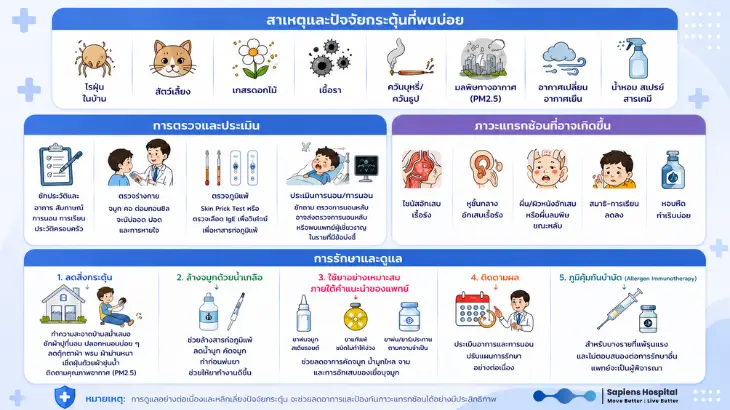
Allergy testing, such as a skin prick test or specific IgE blood test, may help identify relevant allergens, particularly in children with persistent symptoms, difficult-to-control disease, or when targeted allergen avoidance is being planned. However, not every child needs allergy testing at the first visit. If the symptoms are strongly suggestive and respond well to treatment, the doctor may initially manage the symptoms and monitor the response.
For children with significant snoring or suspected obstructive sleep apnea, the doctor may assess the tonsils, adenoids, body weight, and facial or airway structure. Referral to an ear, nose and throat specialist or a sleep study may be considered when clinically indicated. AAP guidance recommends systematic evaluation of children who snore and have other abnormal nighttime or daytime symptoms suggestive of obstructive sleep apnea.
Treatment of Allergic Rhinitis in Children
Effective management generally combines reducing relevant triggers, appropriate medication, and follow-up. Allergic rhinitis is often a chronic or recurrent condition influenced by environmental exposures and does not necessarily disappear permanently after only a few days of medication.
Saline nasal irrigation may help remove mucus and allergens from the nasal passages and may help other nasal treatments work more effectively, particularly in children with significant nasal discharge, congestion, or postnasal drip. The technique should be appropriate for the child’s age, use safe and appropriately prepared water or saline, and should not be forced if it causes distress.
Antihistamines can help reduce sneezing, nasal itching, runny nose, and itchy eyes. The medication should be appropriate for the child’s age, and less-sedating options are generally preferred when daytime alertness and learning are important. Nasal congestion may respond less well to oral antihistamines alone than to certain nasal treatments. Intranasal corticosteroids are among the most effective treatments for reducing nasal inflammation, particularly congestion that interferes with sleep. They can improve nasal congestion, sneezing, itching, and rhinorrhea when used appropriately.
ARIA 2024–2025 guidance endorsed by EAACI discusses intranasal treatments for allergic rhinitis, including intranasal corticosteroids, intranasal antihistamines, and certain combination therapies. Treatment selection should be individualized according to the child’s age, symptoms, severity, and clinical circumstances.
Correct nasal spray technique is important. If the spray is directed incorrectly, medication may run down the throat and cause an unpleasant taste or throat irritation, while spraying toward the nasal septum may increase the risk of nosebleeds. The nozzle is generally directed slightly outward, away from the nasal septum, and the medicine should be used consistently according to the treatment plan.
How Should the Home Environment Be Managed?
The bedroom is a practical place to start because children spend many hours there each night. Dust mites in mattresses, pillows, blankets, stuffed toys, carpets, heavy curtains, and dust-collecting objects may be relevant triggers. Bedding and pillowcases should be washed regularly, stuffed toys on the bed may be reduced, dust-mite covers may be considered when appropriate, and cleaning methods that minimize airborne dust are preferable to dry sweeping or shaking bedding near the child.
Cigarette smoke, incense smoke, perfume sprays, air fresheners, paint or chemical odors, and PM2.5 can irritate a child’s nose and airways, even when they are not allergens themselves. Children with allergic rhinitis should be protected from tobacco smoke, and air quality should be monitored on high-pollution days, particularly if the child also has coughing or asthma. If there are pets at home, observe whether symptoms worsen around the animal or in rooms the animal frequently enters. Decisions regarding pets should be based on the child’s actual symptoms and medical assessment rather than assuming that every child with allergies is allergic to animals. If a clear association is identified, reducing exposure—particularly in the bedroom—may help.
What Kind of Snoring Should Raise Concern?
If a child snores only during a cold or temporary severe congestion and the snoring resolves when the illness improves, monitoring while treating the underlying condition may be reasonable. However, medical evaluation is recommended if the child snores almost every night, consistently sleeps with the mouth open, has pauses in breathing, gasps or wakes suddenly, sweats excessively during sleep, develops bed-wetting after previously being dry, wakes with headaches, experiences daytime sleepiness, has reduced concentration, declining school performance, or noticeable behavioral changes.
In younger children, enlarged tonsils and adenoids are important causes of obstructive sleep-disordered breathing. In older children and adolescents, obesity becomes an increasingly important risk factor. Other factors associated with pediatric obstructive sleep apnea include allergic rhinitis, craniofacial abnormalities, neuromuscular weakness, and exposure to secondhand smoke.
When Should You Take Your Child to See a Doctor?
Medical assessment is recommended when a child has persistent or frequently recurring runny nose, nasal congestion, or sneezing lasting more than 2–4 weeks, particularly when symptoms interfere with sleep, eating, or school. A child who snores regularly, sleeps with the mouth open, chronically breathes through the mouth, or appears to stop breathing during sleep should also be evaluated.
Seek medical assessment sooner if thick nasal discharge is accompanied by high fever, significant facial pain or headache, marked bad breath, symptoms occurring predominantly on one side, frequent nosebleeds, a suspected nasal mass, recurrent middle-ear infections, chronic cough, wheezing, breathing difficulty, or abnormal weight gain or growth. These symptoms may indicate sinusitis, a nasal foreign body, enlarged adenoids, asthma, or another condition requiring assessment.
What Should Be Avoided?
Do not give children decongestants, antihistamines, nasal drops, or nasal sprays continuously for long periods without appropriate medical advice. Some medications can cause drowsiness, affect learning, cause palpitations, or produce other adverse effects in young children. Certain topical nasal decongestants can also cause rebound congestion when used for longer than recommended.
Antibiotics should not be given every time nasal mucus turns green. Allergic rhinitis and viral colds do not require antibiotics, and unnecessary antibiotic use increases the risk of adverse effects and antimicrobial resistance. A doctor should determine whether bacterial sinusitis or another condition requiring antibiotics is present.
Frequently Asked Questions from Parents
- Can allergies cause my child to snore?
Yes. Allergic rhinitis can cause swelling of the nasal lining, increased mucus, and nasal obstruction, leading to mouth breathing and snoring, particularly at night. However, if snoring occurs regularly and is accompanied by pauses in breathing, very restless sleep, daytime sleepiness, or reduced concentration, the child should be evaluated for obstructive sleep-disordered breathing. - Does allergic rhinitis require long-term treatment?
Some children have seasonal symptoms and may require treatment mainly during symptomatic periods. Others have perennial allergic rhinitis related to dust mites, household dust, mold, or pets and may require intermittent or ongoing management together with trigger reduction. The goal is not simply to reduce nasal discharge but to help the child breathe and sleep well, function at school, and reduce recurrent symptoms. - Are steroid nasal sprays dangerous?
When the appropriate medicine is used at the correct dose and with proper technique for the child’s age, intranasal corticosteroids are widely used and effective treatments for allergic rhinitis, particularly nasal congestion. They should be used according to medical advice, with follow-up when prolonged treatment is required. - My child has a constant runny nose. Is it sinusitis or allergies?
Either is possible. Allergic rhinitis typically causes clear nasal discharge, sneezing, nasal or eye itching, recurrent symptoms, and a relationship with specific triggers. Sinusitis may cause persistent nasal discharge, nighttime cough, bad breath, facial discomfort, fever, or symptoms lasting longer than expected. Some children have underlying allergies that contribute to recurrent sinus symptoms, so persistent or unresolved symptoms should be medically assessed.
Runny nose, nasal congestion, and snoring related to childhood allergies should not always be considered minor problems. Chronic nasal inflammation can interfere with sleep, cause mouth breathing and chronic coughing, affect concentration, and in some children may be associated with obstructive sleep apnea, particularly when enlarged tonsils or adenoids are also present.
Good care begins by distinguishing between a viral cold, allergic rhinitis, and other possible conditions. Management may then include reducing relevant triggers, saline nasal care, appropriate medication, correct nasal spray technique, and careful monitoring of snoring. If a child snores almost every night, has pauses in breathing, difficulty drinking or eating, chronic coughing, wheezing, or symptoms that significantly interfere with school or sleep, medical assessment is recommended.
If a child has difficulty breathing, pauses in breathing during sleep, bluish lips or skin, marked drowsiness or reduced responsiveness, persistent high fever, foul-smelling discharge from one nostril, frequent nosebleeds, or rapidly worsening symptoms, seek prompt medical attention.
Sapiens Hospital
Move Better:Live Better
Tel. 02-111-3703
References
Bousquet J, et al. EAACI-endorsed ARIA 2024–2025 guidelines for allergic rhinitis.
Sousa-Pinto B, et al. Allergic Rhinitis and Its Impact on Asthma ARIA-EAACI Guidelines 2024–2025: intranasal treatments.
Royal Children’s Hospital Melbourne. Clinical Practice Guidelines: Rhinitis and rhinosinusitis.
American Academy of Pediatrics. Diagnosis and Management of Childhood Obstructive Sleep Apnea Syndrome. Pediatrics.
D’Elia C, et al. Allergic rhinitis and sleep disorders in children.
American College of Allergy, Asthma & Immunology. Hay Fever Rhinitis Symptoms & Treatment.