
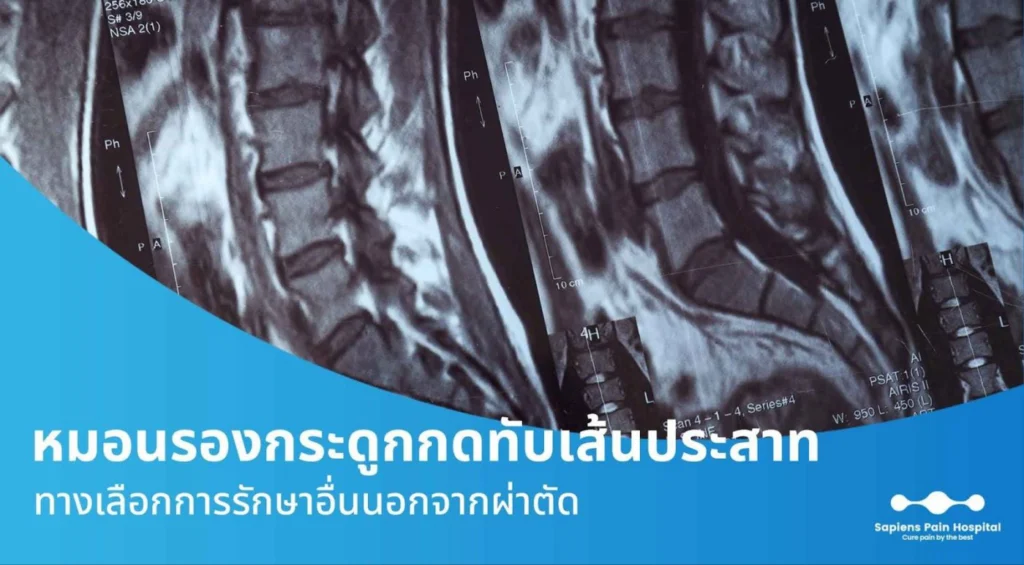
A herniated disc that compresses or irritates a nerve can significantly affect quality of life because it may interfere with movement, work, sleep, and daily activities. Many people assume that this condition always requires surgery, but in reality, a large proportion of patients can improve with non-surgical treatment, depending on the severity of symptoms, neurological findings, and the underlying cause. Today, we will look at the treatment options that may be considered before surgery.
What Is a Herniated Disc with Nerve Compression?

Intervertebral discs are structures located between the vertebrae of the spine. They help absorb shock, distribute loads, and allow the spine to move with flexibility. Each disc contains a tougher outer layer called the annulus fibrosus and a softer, gel-like center called the nucleus pulposus.
A herniated disc occurs when part of the inner disc material pushes through or beyond a weakened or torn portion of the outer layer. The displaced disc material may irritate or compress a nearby spinal nerve root. Not every disc herniation causes symptoms, and the severity of symptoms does not always correspond directly with the size of the herniation seen on imaging.
When a nerve root becomes irritated or compressed, symptoms may include pain, numbness, tingling, or muscle weakness along the distribution of that nerve. Herniated discs most commonly occur in the lumbar spine but can also affect the cervical spine.
Common Symptoms
- Localized pain: Lower back or neck pain may occur, sometimes worsening with certain movements, prolonged sitting, standing, or other activities.
- Radiating pain: A lumbar disc herniation may cause pain that radiates into the buttock, thigh, calf, or foot, while a cervical disc herniation may cause pain that radiates into the shoulder, arm, or hand.
- Neurological symptoms: Numbness, tingling, or weakness may occur in an area supplied by the affected nerve. New loss of bladder or bowel control, numbness around the groin or saddle area, or rapidly worsening weakness may indicate severe nerve compression such as cauda equina syndrome and requires urgent medical assessment.
Causes of Herniated Disc and Nerve Compression
Disc herniation can develop from several factors. Age-related changes in the disc are common contributors, while mechanical loading, genetics, smoking, previous injury, and other factors may also influence risk. In many cases, there is no single activity that can be identified as the sole cause.
Age-Related Disc Changes
As we age, intervertebral discs gradually lose some of their water content and elasticity. The outer annulus may also become less resilient, making a disc more susceptible to fissures or herniation under certain loads. Smoking is also associated with poorer disc health and a higher risk of degenerative spinal changes.
Spinal Loading and Movement Patterns
Activities that place sudden or repeated high loads on the spine, particularly lifting while bending and twisting, may contribute to disc injury in susceptible individuals. Prolonged sitting and physically demanding work may also aggravate symptoms in some people. However, posture alone should not be considered the single cause of disc herniation, and maintaining normal movement and physical conditioning is generally important for spinal health.
Injury and Sudden Loading
A fall, sports injury, or other sudden load can occasionally contribute to a disc herniation. Coughing or sneezing can temporarily increase pressure within the spine and may trigger pain in someone who already has a vulnerable disc, but these actions are not usually the underlying cause by themselves.
Other Risk Factors
- Excess body weight: Higher body weight may increase mechanical loading on the spine and can contribute to back-related symptoms in some individuals.
- Age and individual susceptibility: Symptomatic lumbar disc herniation is commonly seen in working-age adults, although it can occur at different ages depending on genetics, activity, previous injury, and other factors.
- Smoking: Smoking is associated with degenerative changes of the intervertebral discs and may adversely affect tissue health and recovery.
Non-Surgical Treatment Options
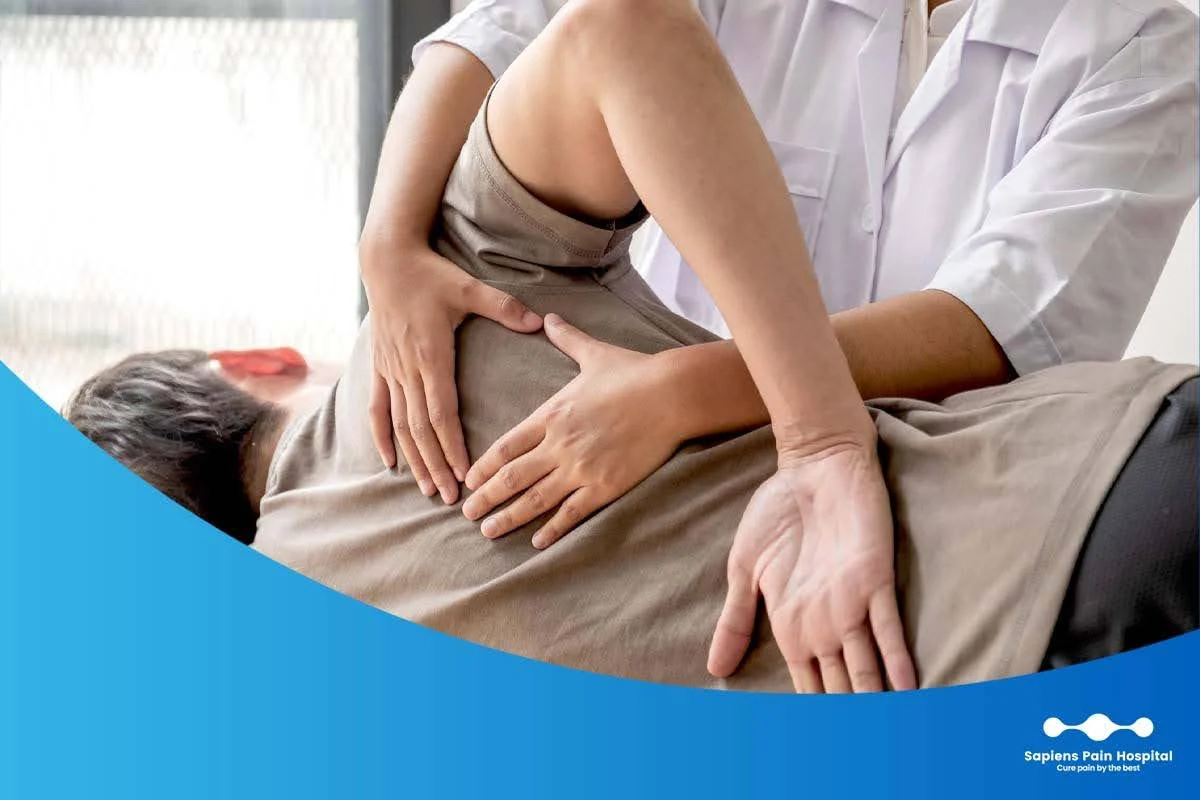
Many patients with a herniated disc and nerve-related pain can improve without surgery. Treatment depends on the location of the disc problem, severity of pain, neurological findings, duration of symptoms, and the patient’s overall health. The goal of non-surgical care is to reduce pain, maintain or restore function, and allow time for the irritated nerve and surrounding tissues to recover.
- Epidural Steroid Injection: Corticosteroid medication, usually combined with a local anesthetic, may be injected into the epidural space near the affected nerve root to reduce inflammation and radicular pain. This may provide temporary relief in selected patients and can help them participate more effectively in rehabilitation. The number and frequency of injections should be individualized by a specialist rather than routinely repeated.
- PRP or Bone Marrow-Derived Treatments: Regenerative procedures such as Platelet-Rich Plasma (PRP) or bone marrow-derived preparations are being studied for certain spinal pain conditions. However, evidence for treating symptomatic disc herniation or reversing disc degeneration remains limited, and these approaches should not be presented as established treatments for nerve compression. Patients should discuss potential benefits, limitations, costs, and regulatory considerations with an appropriately qualified physician.
- Physical Therapy and Exercise-Based Rehabilitation: Treatment may include individualized strengthening, mobility exercises, graded activity, education, and movement retraining. Modalities such as heat, electrical stimulation, ultrasound, or traction may be used selectively for short-term symptom relief, but active exercise and progressive rehabilitation are generally more important for long-term recovery than passive modalities alone.
- Activity and Movement Modification: Patients may benefit from advice on lifting technique, work ergonomics, pacing, and temporary modification of activities that aggravate symptoms. Prolonged bed rest is generally discouraged unless specifically advised by a doctor.
- Nonsteroidal Anti-Inflammatory Drugs (NSAIDs): NSAIDs may help reduce pain and inflammation in suitable patients. They are not appropriate for everyone, particularly some patients with kidney disease, stomach ulcers, cardiovascular conditions, bleeding risk, or certain medication interactions, so medical advice may be needed.
Common Misunderstandings About Herniated Discs
One common misconception is that every herniated disc requires surgery. In fact, many patients with lumbar disc herniation and sciatica improve over time with non-surgical treatment, including medication, appropriate activity, physical rehabilitation, and selective pain interventions. Surgery may be considered when symptoms remain severe despite appropriate conservative treatment, when neurological weakness is significant or worsening, or when there are emergency signs such as loss of bladder or bowel control or saddle numbness.
Another misconception is that disc herniation is caused only by lifting heavy objects. In reality, the condition is influenced by age-related disc changes, genetics, smoking, mechanical loading, previous injury, and other factors. Similarly, nerve compression does not automatically mean that paralysis will occur. Many patients experience pain, numbness, or tingling without permanent neurological damage. However, progressive weakness or severe neurological symptoms should be evaluated promptly. Complete bed rest is also generally not recommended. When medically appropriate, gradual movement and an individualized exercise program can support recovery and help patients return to normal activities. Understanding these points can help patients choose treatment based on their actual condition rather than fear of the diagnosis alone.