
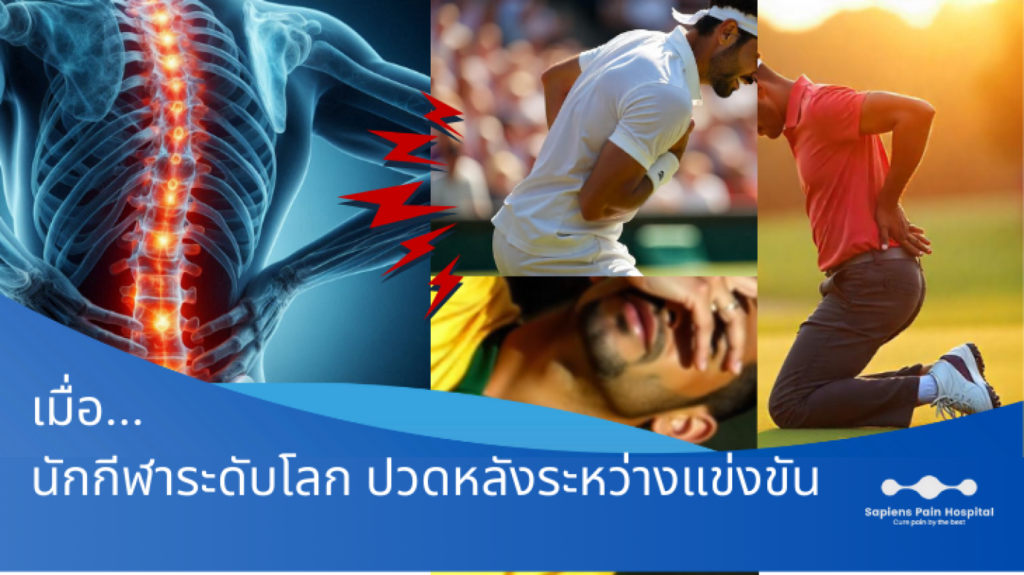
For most people, back pain, joint pain, and other musculoskeletal problems may develop for many reasons, including aging, physical activity, prolonged or inappropriate sitting posture, excess body weight, as well as certain illnesses and inflammatory conditions.
Professional athletes may have stronger muscles, joints, and bones than the average person, but they also place considerably greater demands on their bodies. Sports-related pain and injuries may result from repetitive high-intensity movements, impact generated when kicking or striking a ball, sudden twisting and acceleration, or physical contact with opponents.
In this article, we look back at three world-class athletes who experienced significant back pain or back injuries, and explore how these problems affected their careers and their return to competition.
1. Tiger Woods (2013 Barclays)
Golf places considerable demands on the body. A powerful golf swing requires coordinated rotation and force generation through the hips, lower back, shoulders, and arms.
Tiger Woods experienced visible back discomfort during The Barclays in 2013. At one point, the pain was severe enough that he dropped to his knees after a shot, although he was able to continue playing and complete the tournament.
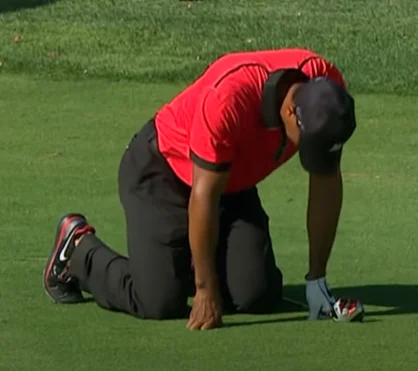
Woods subsequently experienced significant back problems over the following years and underwent several spinal procedures and surgeries. His return to elite competition culminated in his remarkable victory at the 2019 Masters. However, winning the tournament should not necessarily be interpreted as meaning that his back condition had been completely cured, as he continued to require medical care for back-related problems afterward.
2. Neymar (2014 FIFA World Cup, Brazil vs Colombia)
During Brazil’s 2014 FIFA World Cup quarter-final against Colombia, Neymar suffered a serious back injury following contact from Colombian player Juan Camilo Zúñiga. Neymar was carried from the field and was subsequently diagnosed with a fracture of the third lumbar vertebra (L3). The injury ruled him out of the remainder of Brazil’s World Cup campaign.

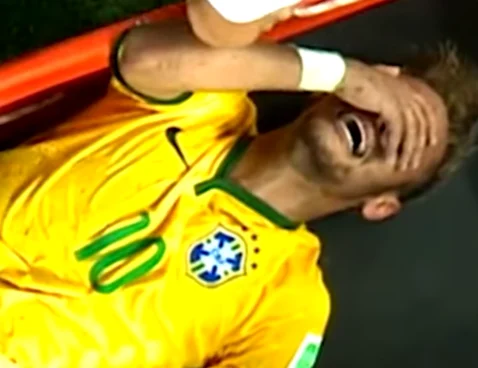
Reports indicated that the fracture was treated conservatively rather than surgically. His recovery involved medical supervision and protection of the injured area while the fracture healed before he gradually returned to football.
3. Rafael Nadal (2014 Australian Open Final vs Stan Wawrinka)
Rafael Nadal entered the 2014 Australian Open final during one of the most successful periods of his career. During the match against Stan Wawrinka, however, Nadal developed significant back pain that visibly affected his movement and serve.
Despite receiving medical attention and continuing to compete through the pain, Nadal was unable to perform at his usual level. He completed the match but ultimately lost the final to Wawrinka in four sets.

Nadal received treatment for his back problem during and after this period. His management reportedly included medication and rehabilitation, and later in 2014 he also underwent a medical procedure involving stem-cell treatment for his back. His case illustrates an important issue in sports medicine: treatment must take into account not only the injury itself, but also the athlete’s physical condition, rehabilitation needs, and timetable for returning to competition.
You do not have to be a professional athlete to experience sports-related pain or injury. At Sapiens Hospital, assessment begins by identifying the source of pain—whether it involves muscles, joints, bones, nerves, or other structures—as well as determining whether inflammation or another underlying condition is present.
The patient’s individual goals are also important. An athlete who needs to return to competition within a specific timeframe may have different priorities from someone who can allow more time for recovery and rehabilitation. Treatment therefore needs to be planned according to the diagnosis, severity of the injury, physical condition, and individual goals of each patient.
Over the years, athletes have also received pain management care from Dr. Nattaya Udomsakdi and members of the Sapiens medical team, including before Sapiens Hospital was established. Thai tennis player Tamarine Tanasugarn, for example, has shared her experience of managing pain during periods of competition and recovery. For professional athletes, treatment planning may need to balance short-term symptom control and return-to-play goals with longer-term rehabilitation and physical recovery.

Sources