
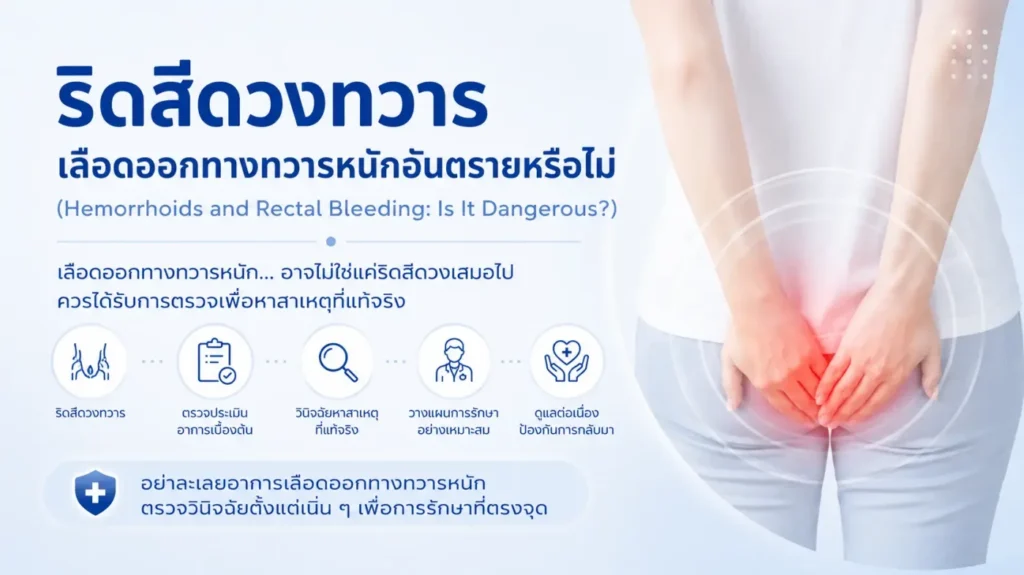
Hemorrhoids: Is Rectal Bleeding Dangerous?
Rectal bleeding is a symptom that can be alarming. Some people notice bright red blood on toilet paper, some see blood dripping into the toilet after a bowel movement, while others notice blood coating the stool. Many immediately wonder, “Could this be hemorrhoids?” or become concerned that “Could this be colorectal cancer?”
The fact is that hemorrhoids are one of the common causes of rectal bleeding, particularly bright red blood after a bowel movement. However, medically, we should not assume that every episode of bleeding is caused by hemorrhoids. Rectal bleeding can have many causes, ranging from anal fissures and intestinal inflammation to colorectal polyps and colorectal cancer. Therefore, the important question is not simply “Is it hemorrhoids?” but rather “What type of bleeding is typical of hemorrhoids, what type requires further investigation, and when should you see a surgeon?”
This article will help you understand hemorrhoids correctly—without unnecessary alarm, but also without overlooking potentially important conditions.
What Are Hemorrhoids?
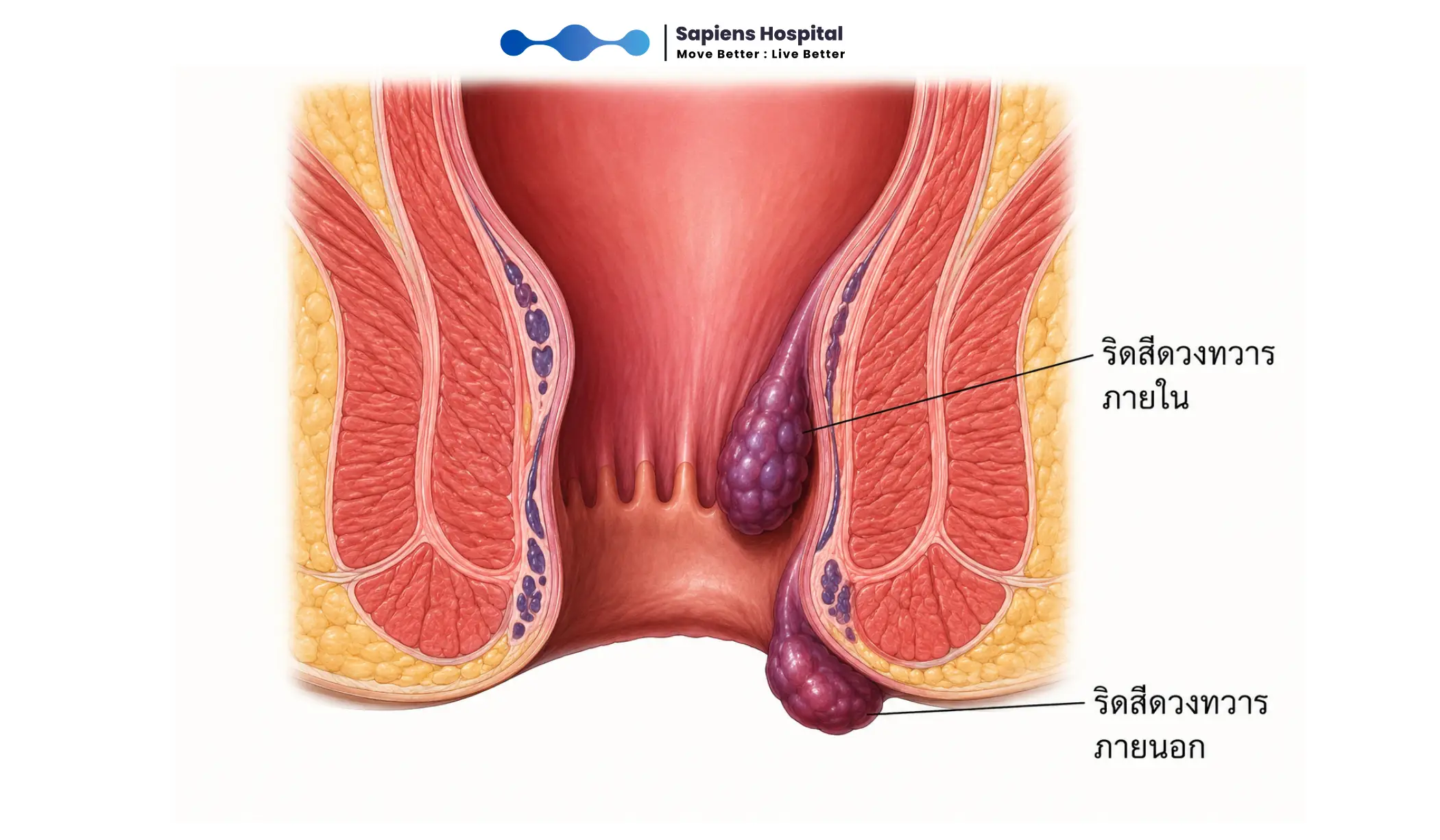
Hemorrhoids occur when the blood vessels and supporting tissues around the anus become swollen, enlarged, or displaced downward. This may cause bleeding, itching, pain, protruding lumps, or a sensation of incomplete evacuation. In fact, everyone naturally has vascular cushions in the anal canal. They help seal the anus and contribute to bowel continence. When these tissues become enlarged, swollen, or abnormally displaced, they develop into hemorrhoidal disease. Hemorrhoids can broadly be divided into two main types:
- Internal hemorrhoids develop inside the anal canal. They are often not very painful because this area has relatively little pain sensation. Common symptoms include bright red bleeding after a bowel movement or tissue that protrudes during straining.
- External hemorrhoids develop around the anal opening and may be felt as a lump outside the anus. If a blood clot forms within an external hemorrhoid, it can become very painful, swollen, tense, and make sitting uncomfortable. Some patients have both internal and external hemorrhoids. Bleeding from hemorrhoids is typically bright red and occurs after a bowel movement. It may appear on toilet paper, coat the surface of the stool, or drip into the toilet.
Other symptoms that may occur include:
- Itching or irritation around the anus
- Pain during bowel movements, especially when an anal fissure or inflamed external hemorrhoid is present
- A lump protruding during bowel movements
- A sensation of incomplete evacuation
- Mucus or moisture around the anus
- Painful swelling around the anal opening if an external hemorrhoid becomes thrombosed
However, bright red blood does not always mean that the condition is harmless. Polyps or cancers in the lower colon and rectum can also cause bright red rectal bleeding, particularly in older adults or when warning symptoms are present.
What Causes Hemorrhoids?
Hemorrhoids are commonly associated with increased pressure around the anus and deterioration of the supporting tissues over time. Common contributing factors include:
- Chronic constipation
- Prolonged straining during bowel movements
- Sitting on the toilet for long periods, particularly while using a mobile phone
- Passing hard stools
- Chronic diarrhea
- Pregnancy
- Being overweight or having abdominal obesity
- Regular heavy lifting
- Increasing age
- A low-fiber diet
- Not drinking enough water
- Physical inactivity or prolonged sitting at work
Among working-age adults, common contributing behaviors include prolonged sitting, inadequate water intake, low fruit and vegetable consumption, irregular bowel habits, and spending too long on the toilet. These seemingly small habits can accumulate over time and contribute to recurrent hemorrhoidal symptoms.
Is Rectal Bleeding Dangerous?
The answer is “it depends on the cause and associated symptoms.” If hemorrhoids are truly the cause, the condition may not be immediately dangerous, and many cases improve with lifestyle changes, medications, or minor procedures. Nevertheless, rectal bleeding should not be considered normal, particularly when it recurs, becomes more frequent, or is accompanied by other symptoms.
Rectal bleeding may also be caused by other conditions, such as:
- Anal fissures
- Inflammation of the bowel
- Infections involving the bowel or rectum
- Colorectal polyps
- Inflammatory bowel disease
- Diverticular disease
- Colorectal cancer
Therefore, even if you suspect hemorrhoids, rectal bleeding should be considered in the context of your age, frequency of symptoms, amount of bleeding, and any accompanying warning signs.
When Should You See a Doctor Promptly?
You should see a doctor or surgeon if you experience any of the following:
- Repeated episodes of rectal bleeding
- Heavy bleeding or a large amount of blood dripping into the toilet
- Bleeding unrelated to bowel movements
- Black stools or dark-colored blood
- Symptoms of anemia such as fatigue, dizziness, palpitations, or unusual tiredness
- Unexplained weight loss
- Unusual loss of appetite
- Chronic abdominal pain
- Changes in bowel habits, such as alternating constipation and diarrhea, narrower stools, or a persistent feeling of incomplete evacuation
- Mucus mixed with blood
- An abnormal lump around the anus
- New-onset rectal bleeding at an older age, particularly around age 40–50 or above
- A family history of colorectal cancer, colorectal polyps, or inflammatory bowel disease
If these symptoms are present, you should not continuously self-treat with hemorrhoid medications without medical evaluation, as this may delay the diagnosis of a more important condition.
When Does Rectal Bleeding Require Immediate Hospital Care?
Seek urgent medical attention if you experience any of the following:
- Heavy bleeding accompanied by dizziness, palpitations, faintness, or severe weakness
- Repeated bowel movements containing a large amount of blood
- Black, unusually foul-smelling stools
- Severe abdominal pain together with bleeding
- High fever accompanied by anal or abdominal pain
- Severe pain and tense swelling of a hemorrhoidal lump that makes sitting very difficult
- Heavy bleeding while taking anticoagulant or antiplatelet medication
- Abnormal bleeding in an older adult or someone with significant underlying medical conditions
These symptoms require prompt assessment to determine whether significant blood loss, infection, or another medical condition is present.
How Are Hemorrhoids Diagnosed?
Diagnosis begins with a detailed medical history, including how long the bleeding has been present, the color and amount of blood, whether pain is present, whether you have constipation or diarrhea, and whether there are warning signs such as weight loss, anemia, or a family history of colorectal cancer.
The doctor may then examine the anal area for external hemorrhoids, fissures, abnormal lumps, or inflammation. A careful digital rectal examination may also be performed. In some cases, instruments such as an anoscope or proctoscope may be used to examine internal hemorrhoids and identify the source of bleeding. If the patient is older, has recurrent bleeding, warning symptoms, or an increased risk of colorectal cancer, further investigation such as colonoscopy may be recommended to ensure that the bleeding is not coming from a condition higher in the colon.
An important point is that finding hemorrhoids does not necessarily exclude another condition, particularly when warning symptoms are present.
How Are Hemorrhoids Treated?
Treatment depends on the type and severity of hemorrhoids as well as the patient’s symptoms.
1. Lifestyle and Bowel Habit Modification is the foundation of treatment for most patients, particularly those with early-stage hemorrhoids. Important recommendations include:
- Drink adequate amounts of water
- Eat vegetables, fruits, and other fiber-rich foods
- Avoid prolonged straining
- Avoid sitting on the toilet for long periods
- Go to the toilet when you feel the urge rather than holding in stool
- Exercise regularly
- Maintain a healthy weight
- Treat chronic constipation or diarrhea
- Some patients may need stool softeners or fiber supplements as recommended by a doctor
2. Topical Medications, Suppositories, and Symptom Relief Some medications can temporarily relieve swelling, itching, pain, or irritation. They should be used as directed. Products containing corticosteroids should not be used continuously for prolonged periods without medical advice because they may cause skin thinning or increased irritation.
3. Warm Sitz Baths
Sitting in warm water for approximately 10–15 minutes may help relieve pain, muscle spasm, and irritation around the anus, particularly after bowel movements.
4. Office-Based or Minimally Invasive Procedures
For certain grades of internal hemorrhoids, doctors may consider procedures such as rubber band ligation, injection therapy, or other coagulation techniques. Rubber band ligation is commonly used for symptomatic internal hemorrhoids that are not excessively advanced.
5. Hemorrhoid Surgery
Surgery may be considered for large or advanced hemorrhoids, significant prolapse that cannot be reduced, substantial external hemorrhoidal disease, recurrent thrombosis, or symptoms that do not improve with other treatments. Several surgical techniques are available. The surgeon will recommend an approach based on the type of hemorrhoids, symptoms, severity, and the individual patient’s condition.
Does Everyone with Hemorrhoids Need Surgery?
No. Many patients, particularly those with early-stage hemorrhoids, improve with lifestyle modification, increased fiber and water intake, constipation management, medication, or appropriate minor procedures. However, if bleeding frequently recurs, prolapse becomes significant or cannot be reduced, severe pain or thrombosis occurs, or symptoms substantially interfere with daily life, a surgical consultation is appropriate.
Seeing a surgeon does not mean that surgery will be performed immediately. The purpose is to determine the most appropriate treatment and, importantly, to exclude other causes of rectal bleeding.
How Can Recurrent Hemorrhoids Be Prevented?
Hemorrhoids can recur if bowel habits and contributing behaviors remain unchanged. Prevention is therefore important.
Measures that may help reduce recurrence include:
- Eat fiber-rich foods every day
- Drink enough water
- Avoid straining
- Avoid spending excessive time on the toilet
- Exercise regularly
- Maintain a healthy weight
- Manage chronic constipation and diarrhea
- Avoid improper heavy lifting techniques
- Avoid unnecessary or excessive use of laxatives
For working-age adults, the most important changes are often simple everyday habits, such as reducing prolonged sitting, drinking enough water, eating more vegetables and fiber, and avoiding spending excessive time on the toilet while using a mobile phone.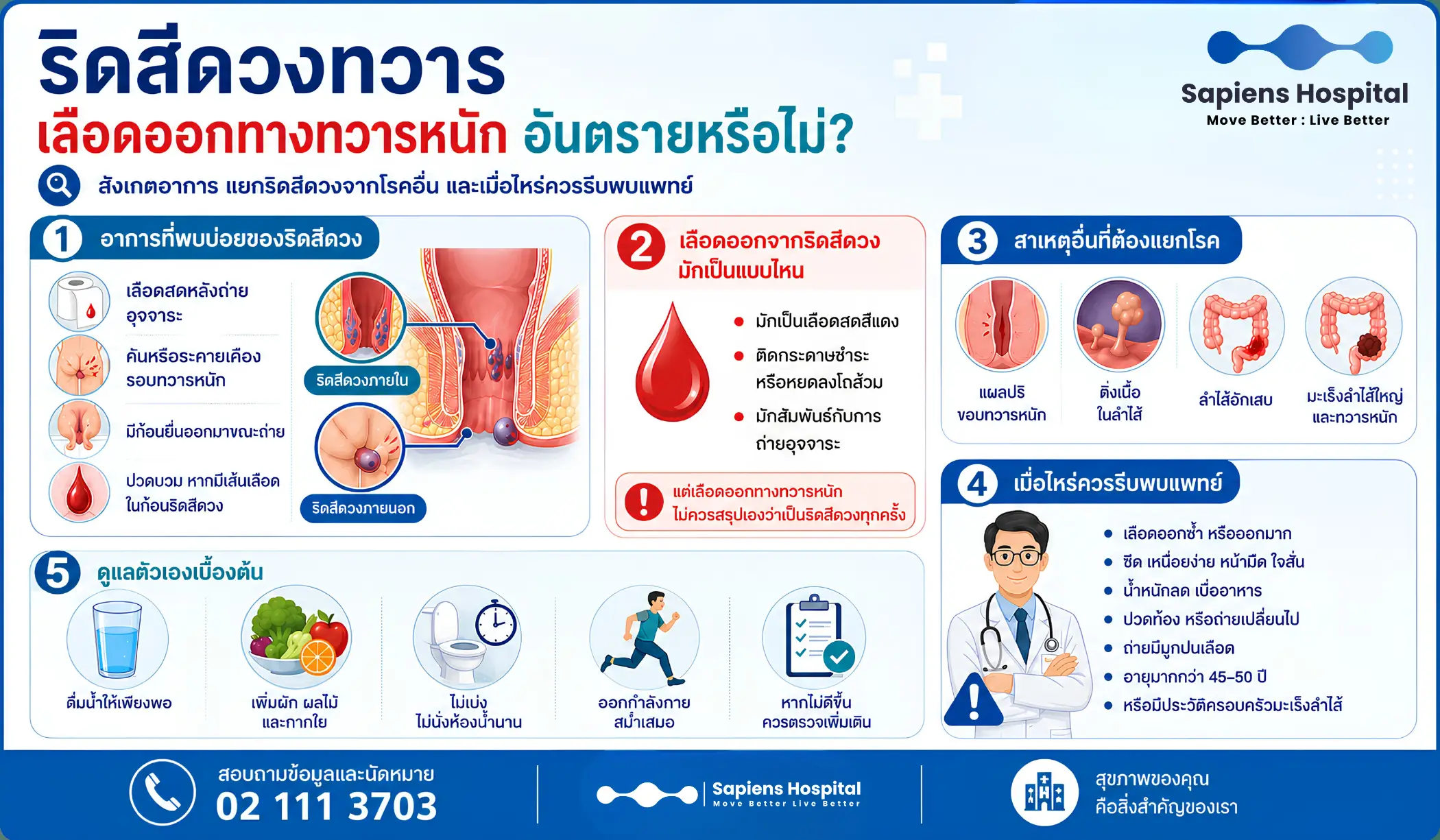
Frequently Asked Questions
1. Does bright red blood during a bowel movement always mean hemorrhoids?
No. Although bright red bleeding after a bowel movement is common with hemorrhoids, it may also be caused by an anal fissure, colorectal polyps, inflammation, or cancer of the lower colon or rectum. If bleeding recurs or warning symptoms are present, you should see a doctor.
2. Are hemorrhoids dangerous?
Most hemorrhoids are not serious. However, heavy or chronic bleeding may cause anemia. More importantly, rectal bleeding should not automatically be attributed to hemorrhoids without appropriate assessment, because this may delay diagnosis of another significant condition.
3. Can hemorrhoids go away on their own?
Symptoms in some patients improve with lifestyle changes, adequate hydration, increased fiber intake, and constipation management. More advanced hemorrhoids, significant prolapse, recurrent bleeding, or severe pain may require a procedure or surgery.
4. If a lump protrudes during a bowel movement, do I need surgery?
Not necessarily. Treatment depends on the degree of prolapse, whether it can be pushed back in, and whether bleeding or pain is present. If the lump frequently prolapses, is difficult to reduce, or interferes with daily activities, a surgical assessment is recommended.
5. Can I use hemorrhoid creams myself?
They may be used temporarily in some cases. However, recurrent bleeding, severe pain, an abnormal lump, or symptoms that do not improve should be medically assessed. Topical medications and suppositories should not be used continuously for long periods without knowing the underlying cause.
6. When should rectal bleeding be investigated with colonoscopy?
Colonoscopy may be considered when bleeding is recurrent, the patient is older or otherwise due for colorectal cancer screening, there is a family history of colorectal cancer, or warning signs such as unexplained weight loss, anemia, altered bowel habits, or chronic abdominal pain are present. The decision depends on the individual’s symptoms, age, risk factors, and medical assessment.
7. What is the difference between hemorrhoids and an anal fissure?
Hemorrhoids commonly cause bright red bleeding after a bowel movement and may be associated with itching or a protruding lump. An anal fissure typically causes sharp or burning pain during bowel movements, particularly when passing hard stool, and may cause a small amount of bright red blood on toilet paper. Both conditions can occur together.
Hemorrhoids are a common cause of rectal bleeding, particularly bright red blood after a bowel movement. However, rectal bleeding should not always be assumed to be caused by hemorrhoids because other conditions—including anal fissures, bowel inflammation, colorectal polyps, and colorectal cancer—may also cause bleeding. A small, isolated episode in a younger person associated with constipation may sometimes be monitored while bowel habits are improved, but recurrent or heavy bleeding, unexplained weight loss, anemia, changes in bowel habits, abdominal pain, or a family history of colorectal cancer warrants medical evaluation. Treatment ranges from lifestyle changes and medications to office-based procedures and surgery for more advanced disease. Not everyone requires surgery, but abnormal rectal bleeding should be appropriately evaluated because early assessment is the safest way to identify its cause.
For information and appointments
Sapiens Hospital Move Better : Live Better
Tel. 02-111-3703
References
1. Hawkins AT, Davis BR, Bhama AR, et al. The American Society of Colon and Rectal Surgeons Clinical Practice Guidelines for the Management of Hemorrhoids. Diseases of the Colon & Rectum. 2024;67(5):614–623.
2. American Society of Colon and Rectal Surgeons. Management of Hemorrhoids: 2024 Clinical Practice Guideline. ASCRS Toolkit. 2024.
3. National Institute for Health and Care Excellence. Suspected cancer: recognition and referral. NICE Guideline NG12. Updated guidance.
4. National Institute for Health and Care Excellence. Gastrointestinal tract lower cancers: recognition and referral. NICE Clinical Knowledge Summary.
5. Mott T, Latimer K, Edwards C. Hemorrhoids: Diagnosis and Treatment Options. American Family Physician. 2018;97(3):172–179.
6. Lohsiriwat V. Treatment of hemorrhoids: A coloproctologist’s view. World Journal of Gastroenterology. 2015;21(31):9245–9252.