
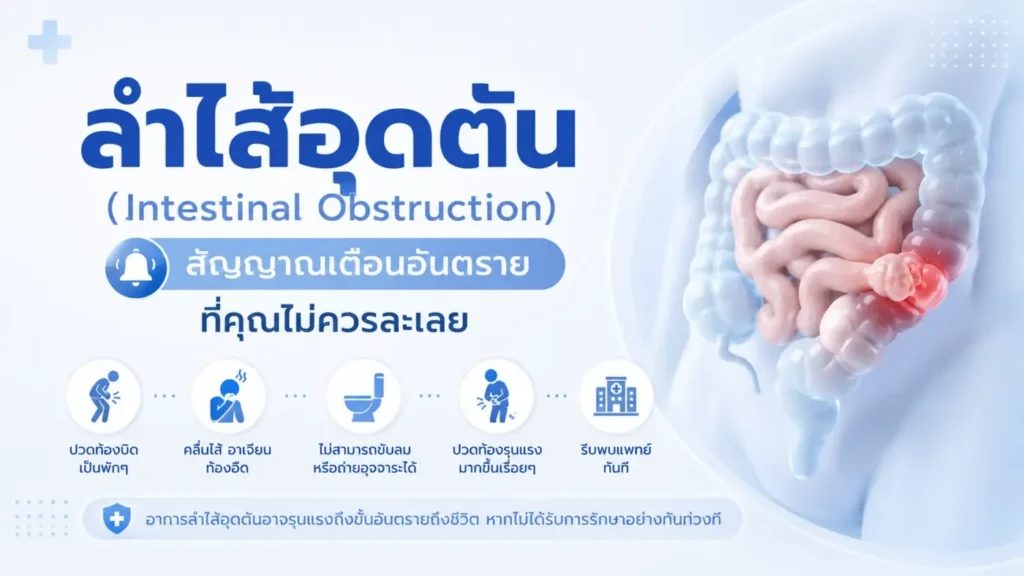
Intestinal Obstruction: Dangerous Warning Signs You Should Never Ignore
Intestinal Obstruction is a potentially serious medical condition that may require urgent treatment. Early diagnosis and appropriate management can reduce the risk of severe complications. This article explains the symptoms, common causes, and warning signs that should prompt timely medical evaluation.
1. What Is Intestinal Obstruction?
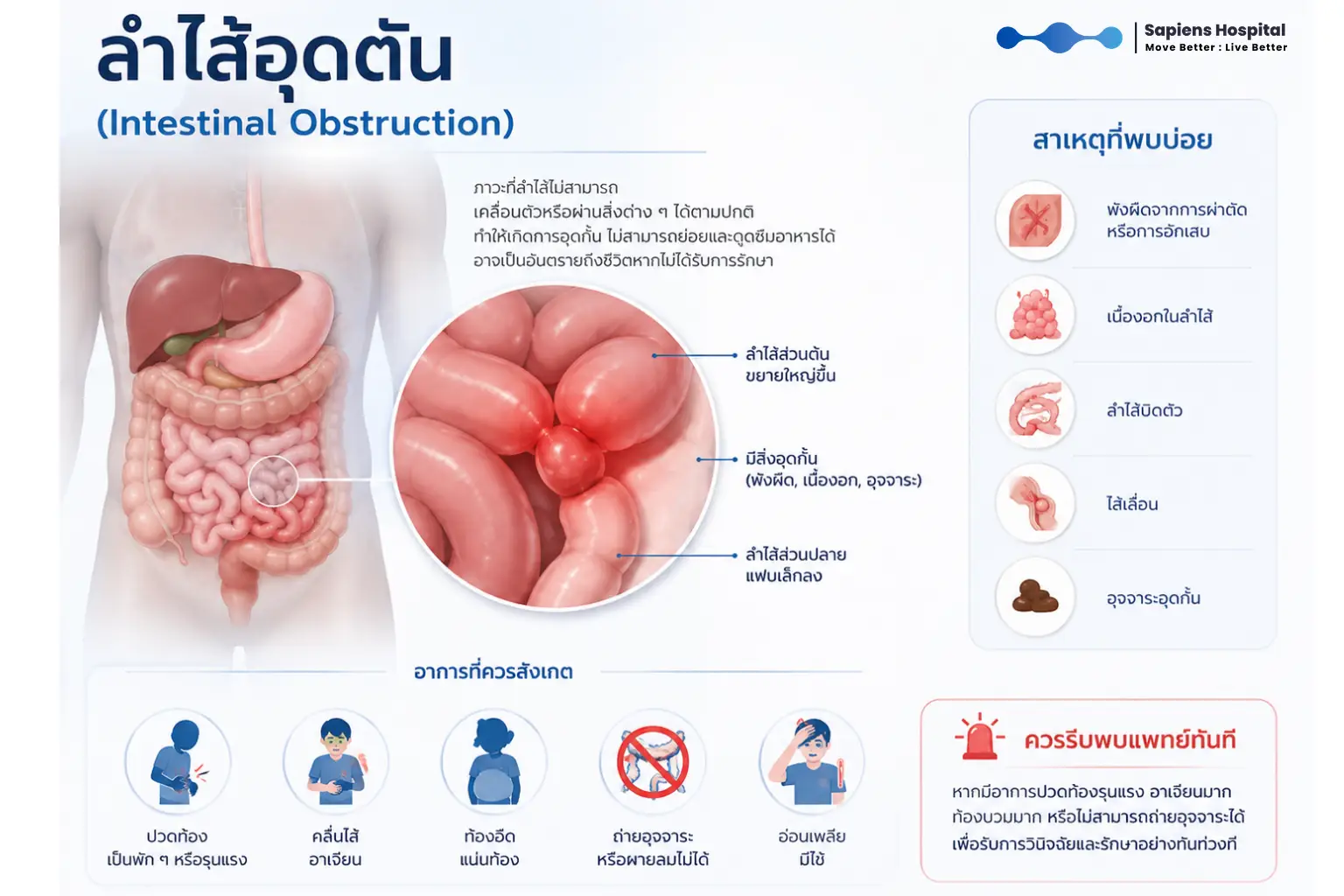
Intestinal obstruction occurs when the normal passage through the digestive tract—the small intestine or large intestine—is partially or completely blocked. Food contents, gas, and fluid may then be unable to move normally through the bowel, causing distension and increased pressure. If severe or prolonged, obstruction may compromise the blood supply to the intestine and can potentially lead to bowel ischemia, tissue injury, or perforation.
2. Warning Signs: Symptoms of Intestinal Obstruction to Watch For
If you or someone close to you develops several of the following symptoms, particularly if they are severe or worsening, seek medical assessment promptly:
- Severe cramping abdominal pain: Pain may occur in waves and can become more persistent or severe depending on the cause.
- Abdominal bloating or distension: The abdomen may become noticeably enlarged or tense.
- Nausea and vomiting: Vomiting may contain gastric or intestinal contents and, depending on the location and duration of the obstruction, can become increasingly severe.
- Constipation or inability to pass gas: This may be particularly prominent in complete obstruction, although some people with partial obstruction may still pass stool or gas.
- Loss of appetite and weakness: Dehydration and electrolyte imbalance may occur, especially with persistent vomiting.
3. Common Causes of Intestinal Obstruction
Intestinal obstruction can occur for several reasons, including:
- Abdominal adhesions: Bands of scar tissue that commonly develop after previous abdominal or pelvic surgery and may kink or compress the bowel.
- Hernias: Part of the intestine may become trapped within a defect or weak area of the abdominal wall.
- Intestinal or colorectal tumors: A mass may narrow or block the intestinal passage.
- Intussusception: One segment of the intestine slides into an adjacent segment. It is more common in children but can also occur in adults.
- Volvulus: Part of the intestine twists around itself, potentially causing both obstruction and impairment of its blood supply.
4. Why Is Timely Treatment Important?
When intestinal obstruction is severe or associated with impaired blood flow, delayed treatment can lead to complications such as:
- Bowel ischemia: Reduced blood supply can damage intestinal tissue and, in severe cases, lead to tissue death.
- Bowel perforation: A hole in the intestine can allow intestinal contents and bacteria to enter the abdominal cavity, potentially causing peritonitis and sepsis.
- Shock and life-threatening complications: Severe dehydration, infection, bleeding, or bowel ischemia can result in circulatory instability and other serious complications.
5. Diagnosis and Treatment
At Sapiens Hospital, patients with suspected intestinal obstruction can be evaluated according to their symptoms and clinical condition.
Diagnosis: Assessment may include a medical history, physical examination, blood tests, abdominal X-ray, ultrasound in selected cases, or CT scan to help identify the location, severity, and possible cause of the obstruction.
Treatment:
– Supportive and non-operative treatment: Depending on the cause and severity, treatment may include temporarily stopping oral food and fluids, intravenous fluids and electrolyte replacement, pain and nausea management, and insertion of a nasogastric tube to decompress the stomach and bowel when appropriate.
– Surgery: Surgery may be required when there is complete or persistent obstruction, suspected bowel ischemia or strangulation, perforation, peritonitis, certain hernias or tumors, or when non-operative treatment is unsuccessful. In selected cases, minimally invasive laparoscopic surgery may be an option.
Consult a doctor promptly if you develop severe or persistent abdominal pain, progressive abdominal distension, repeated vomiting, inability to pass stool or gas, fever, fainting, or other concerning symptoms. Avoid delaying medical assessment by repeatedly self-treating severe symptoms at home.
Sapiens Hospital
Contact: 02-111-3703
Online Appointment: Click Here