
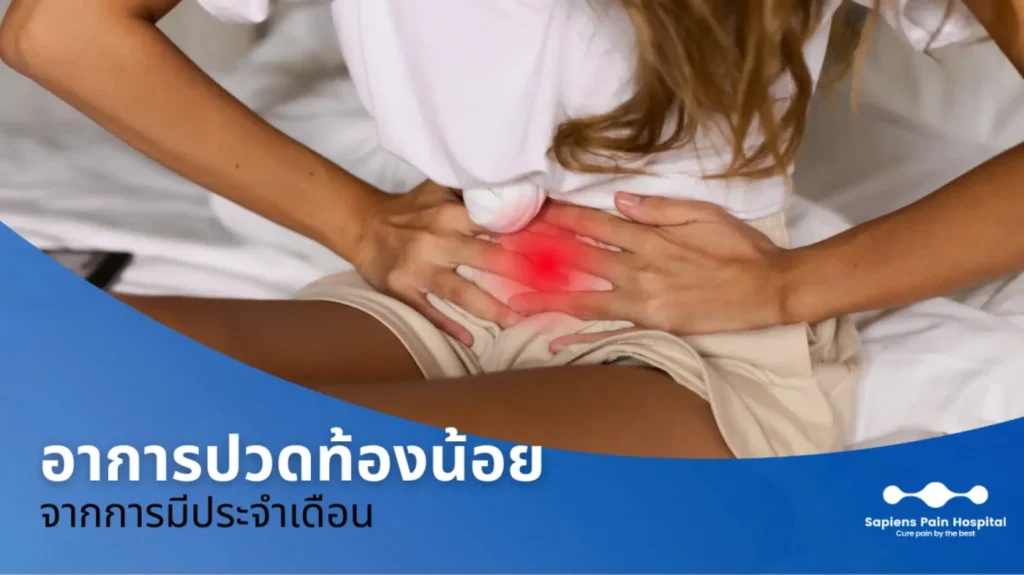
Menstrual Lower Abdominal Pain
Causes and Treatment Approaches at Sapiens Hospital
1. Understanding Primary vs Secondary Dysmenorrhea
- Primary Dysmenorrhea is menstrual pain that occurs without an identifiable pelvic disease. It is associated with increased prostaglandin activity, which causes stronger uterine contractions and may lead to cramping, nausea, diarrhea, headache, or fatigue.
- Secondary Dysmenorrhea is menstrual pain caused by an underlying pelvic or gynecological condition, such as endometriosis, adenomyosis, uterine fibroids, pelvic inflammatory disease (PID), or other abnormalities affecting the reproductive organs.
2. How Menstrual Pain Occurs
- In primary dysmenorrhea, prostaglandins stimulate uterine contractions and temporarily reduce blood flow to the uterine muscle, contributing to cramping pain.
- In secondary dysmenorrhea, pain results from an underlying condition such as endometriosis, adenomyosis, fibroids, pelvic inflammation, or another structural or functional disorder. The pain may become more persistent, occur outside menstruation, or progressively worsen depending on the cause.
3. Evidence-Based Treatment Options
- NSAIDs such as ibuprofen or naproxen are commonly used as first-line treatment for primary dysmenorrhea when medically appropriate because they reduce prostaglandin production and menstrual pain.
- Hormonal therapy, including combined hormonal contraceptives or progestin-based treatments, may reduce menstrual pain and bleeding in appropriate patients and can also be used for some conditions causing secondary dysmenorrhea.
- Lifestyle and supportive measures such as heat therapy, regular exercise, adequate rest, stretching, yoga, relaxation techniques, or selected manual therapies may help relieve symptoms in some patients.
- If endometriosis or adenomyosis is suspected or diagnosed, treatment may include hormonal therapies such as progestins, hormonal intrauterine systems, combined hormonal contraception, or other specialist-directed medications. GnRH-based therapy is generally reserved for selected cases under medical supervision.
- For patients with significant endometriosis, endometrioma, adenomyosis, fibroids, or other structural conditions that cause severe symptoms or do not respond adequately to medical treatment, surgery may be considered after gynecological evaluation. The type and expected benefit of surgery depend on the diagnosis, symptoms, reproductive goals, and individual circumstances.
4. Treatment Approach at Sapiens Hospital
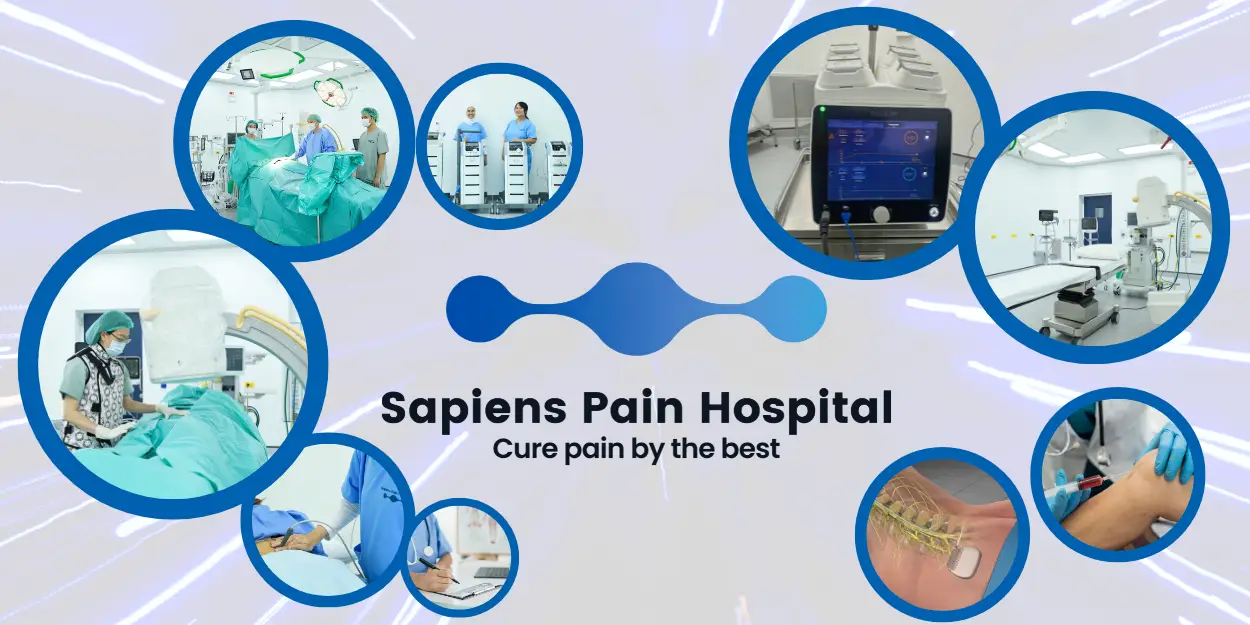
Sapiens Hospital recognizes that persistent lower abdominal and pelvic pain should not be treated with pain medication alone. Care begins with identifying the underlying cause and considering physical, gynecological, musculoskeletal, neurological, and psychosocial factors that may contribute to the patient’s symptoms.
4.1. Comprehensive Assessment of Possible Causes
Evaluation may include medical and menstrual history, physical examination, gynecological assessment, and appropriate pelvic imaging. Pelvic ultrasound, including transabdominal or transvaginal ultrasound when appropriate, may help evaluate fibroids, ovarian abnormalities, or adenomyosis. MRI may be considered in selected patients when additional information is required. Endometriosis may not always be visible on routine imaging, and PID is diagnosed using clinical findings together with appropriate laboratory or imaging tests when indicated.
4.2. Non-Surgical Treatment When Appropriate
- NSAIDs, heat therapy, appropriate exercise, sleep and lifestyle management, relaxation techniques, mindfulness, or cognitive behavioral approaches may be used according to the patient’s symptoms and diagnosis.
- Local steroid or PRP injections are not routine treatments for menstrual cramps or dysmenorrhea. If pelvic pain is partly caused by a musculoskeletal or specific pain generator, targeted pain procedures may be considered only after an appropriate diagnosis.
- For endometriosis or adenomyosis, hormonal treatment may be considered in consultation with a gynecologist. Options may include oral hormonal therapy, progestins, or a levonorgestrel-releasing intrauterine system in suitable patients.
- TENS, pelvic floor rehabilitation, relaxation training, or myofascial therapy may be useful as adjunctive treatments in selected patients, particularly when pelvic floor muscle dysfunction or persistent pelvic pain is present.
4.3. Surgery Only When Indicated
- For severe secondary dysmenorrhea caused by conditions such as endometriosis, symptomatic fibroids, adenomyosis, ovarian pathology, or other structural disease, laparoscopic or other gynecological surgery may be considered when clinically indicated and after appropriate specialist evaluation.
- After surgery, ongoing management may include hormonal therapy, rehabilitation, pain management, and clinical follow-up depending on the diagnosis. Treatment may reduce symptoms, but recurrence cannot always be prevented.
4.4. Holistic Care
- Care may involve collaboration among gynecologists, pain specialists, rehabilitation professionals, and other relevant clinicians according to the patient’s condition.
- Long-term follow-up focuses on pain severity, menstrual symptoms, daily function, sleep, emotional well-being, and quality of life.
- Treatment is individualized according to the underlying diagnosis, reproductive goals, overall health, and the impact of symptoms on daily life.
4.5. Why Choose Sapiens Hospital?
Menstrual and lower abdominal pain should not simply be accepted when it repeatedly interferes with daily life. Sapiens Hospital focuses on identifying the possible source of pain and developing an individualized plan that may combine medical treatment, pain management, rehabilitation, and referral for gynecological care when appropriate.
If menstrual pain is severe, progressively worsening, occurring outside menstruation, associated with very heavy bleeding, fever, fainting, pain during intercourse, infertility concerns, unusual discharge, or sudden severe pelvic pain, medical assessment is recommended to determine whether an underlying condition requires treatment.