
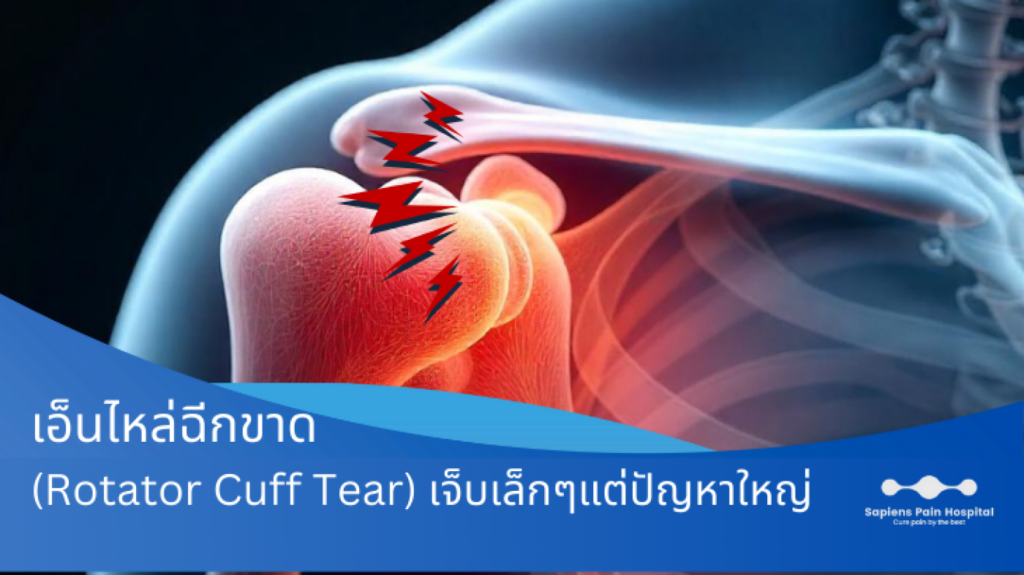
What Is a Rotator Cuff Tear?
Have you ever experienced shoulder pain when lifting your arm or moving? These symptoms may be associated with a “rotator cuff tear,” which can result from injury or degeneration of the tendons surrounding the shoulder joint. This can make it more difficult to lift objects, use the arm, or perform everyday activities.
Causes of Rotator Cuff Tears
Falls, direct impact, or lifting heavy objects
Repetitive shoulder use, particularly activities requiring frequent overhead movement, such as certain sports or occupations
Age-related tendon degeneration
Signs That Your Rotator Cuff May Have a Problem
Shoulder pain at night or when moving the arm
Increasing difficulty lifting objects or using the arm
Popping or clicking sensations, or difficulty moving the shoulder smoothly
Understanding Rotator Cuff Tears and Treatment Options
How is a rotator cuff tear treated, and is surgery necessary?
If you have a rotator cuff tear, surgery is not always required. Several treatment options are available depending on the type and severity of the tear, symptoms, functional limitations, age, activity level, and individual needs.
Non-Surgical Treatment Options
- If symptoms are not severe or surgery is not currently indicated, non-surgical treatment may be considered first:
- Physical therapy can help improve shoulder mobility, strengthen the muscles around the shoulder, and reduce pain.
- Pain relievers and anti-inflammatory medications, such as ibuprofen or other nonsteroidal anti-inflammatory drugs (NSAIDs), may be considered when medically appropriate.
- Corticosteroid injections may provide temporary pain and inflammation relief in selected patients, but repeated injections should be used cautiously.
- Pain Intervention Radiofrequency Ablation (RF) may be considered for selected patients with chronic shoulder pain when appropriate. It targets pain signals from specific nerves but does not repair the torn tendon itself.
- Platelet-Rich Plasma (PRP) Therapy may be considered in selected cases, although evidence and indications vary. It should not be considered a guaranteed method of healing a torn rotator cuff. A sling may also be used temporarily when appropriate to reduce painful shoulder movement.
When Should Surgery Be Considered?
Surgery may be considered when symptoms remain significant despite appropriate non-surgical treatment, after an acute traumatic tear in selected patients, or when the tear causes substantial weakness or loss of function. The decision depends on several factors, including tear size and pattern, tendon quality, symptoms, age, activity level, and individual treatment goals. Surgical options may include:
- Arthroscopic Shoulder Surgery uses a small camera and specialized instruments inserted through small incisions to repair the torn tendon. It can reduce disruption to surrounding tissues and is commonly used for many repairable rotator cuff tears.
- Open Surgery may be considered for selected large or complex tears or when additional reconstruction is required. Depending on the condition, the surgeon may perform other procedures or use graft tissue to augment the repair when tendon quality is poor.
Tendon graft or reconstructive procedures may be considered in selected severe or irreparable tears when direct repair is not possible.
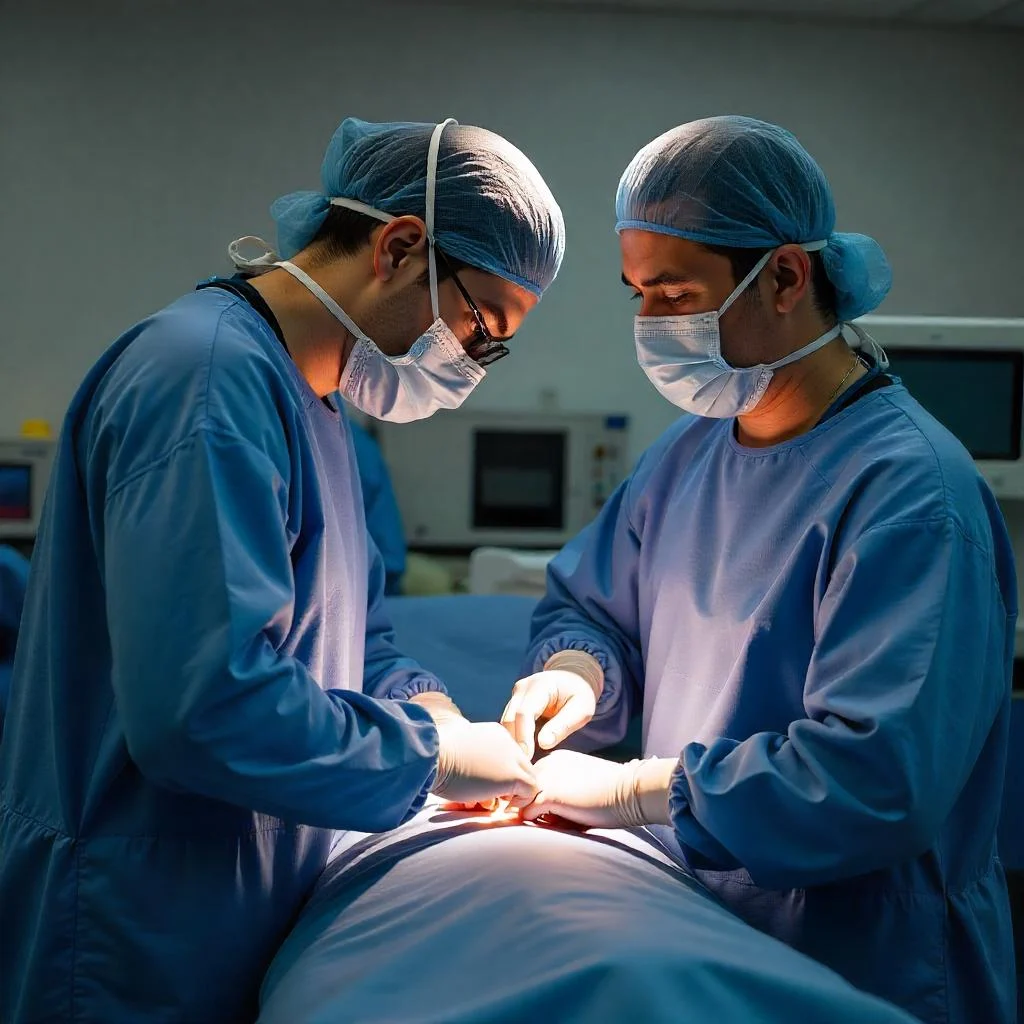
Surgical Procedure
1. Preoperative preparation: Patients follow fasting instructions and undergo appropriate evaluation and preparation for anesthesia.
2. Surgery: The technique is selected according to the characteristics of the tear. When repair is possible, the surgeon may reattach the tendon to the bone using specialized sutures and anchors.
3. Postoperative care: A sling is commonly used during the initial healing period, followed by a structured rehabilitation and physical therapy program according to the surgeon’s instructions.
How Should You Prepare for Surgery?
- Follow the hospital’s instructions regarding fasting before surgery.
- Stop or adjust certain medications only as instructed by your doctor.
- Follow the hospital’s preoperative bathing or skin-cleansing instructions.
- Prepare comfortable, easy-to-wear clothing and necessary personal items.
- Get adequate rest and follow the medical team’s preoperative instructions.
Postoperative Care and Recovery
Weeks 0–6: A sling is commonly used to protect the repaired tendon, with movement and early rehabilitation performed according to the surgeon and physical therapist’s protocol.
Weeks 6–12: Shoulder movement may gradually increase, depending on healing and the rehabilitation plan.
Weeks 12–24: Strengthening exercises may gradually be introduced as appropriate.
6–12 months: Many patients continue to regain strength and function during this period. The time required to return to unrestricted activities varies according to the tear, surgery, healing, and individual rehabilitation progress.
Warning Signs: When Should You Seek Medical Attention?
Unusually severe or worsening shoulder pain
Swelling, redness, drainage, or pus from the surgical wound
Severe shoulder stiffness or inability to move as expected
New or worsening arm weakness, numbness, or other neurological symptoms
Summary
There are several approaches to treating a rotator cuff tear. When symptoms and the characteristics of the tear are suitable, non-surgical treatment such as physical therapy and medication may be considered first. PRP or RF may be considered for selected patients, but their roles differ and they do not replace tendon repair when surgery is clinically indicated. For larger, traumatic, symptomatic, or functionally significant tears, surgery may be considered after specialist evaluation. Rehabilitation and appropriate postoperative care are important parts of recovery.
If you or someone close to you has persistent shoulder pain, weakness, or difficulty using the arm, consider consulting a doctor for an appropriate diagnosis and treatment plan.