
Because recovery is not simply about waiting for the surgical wound to heal — it is an important part of helping patients safely regain movement, function, independence, and quality of life.
Why Is Postoperative Recovery Important?
After surgery, whether involving the spine, joints, or nervous system, structured postoperative care is an important part of the overall treatment process. Appropriate pain control, wound care, prevention of complications, early mobilization when medically appropriate, nutrition, and individualized rehabilitation can all contribute to safer recovery and help patients gradually return to daily activities.
- Appropriate rehabilitation can help patients gradually regain mobility, strength, and functional independence after surgery.
- Early mobilization and appropriate preventive measures can help reduce certain postoperative complications, including venous thromboembolism, loss of muscle strength, pressure injuries, and some respiratory complications.
- Recovery should be individualized, particularly for older adults and patients with underlying medical conditions, because the type of surgery, overall health, physical condition, and preoperative function can influence the recovery process.
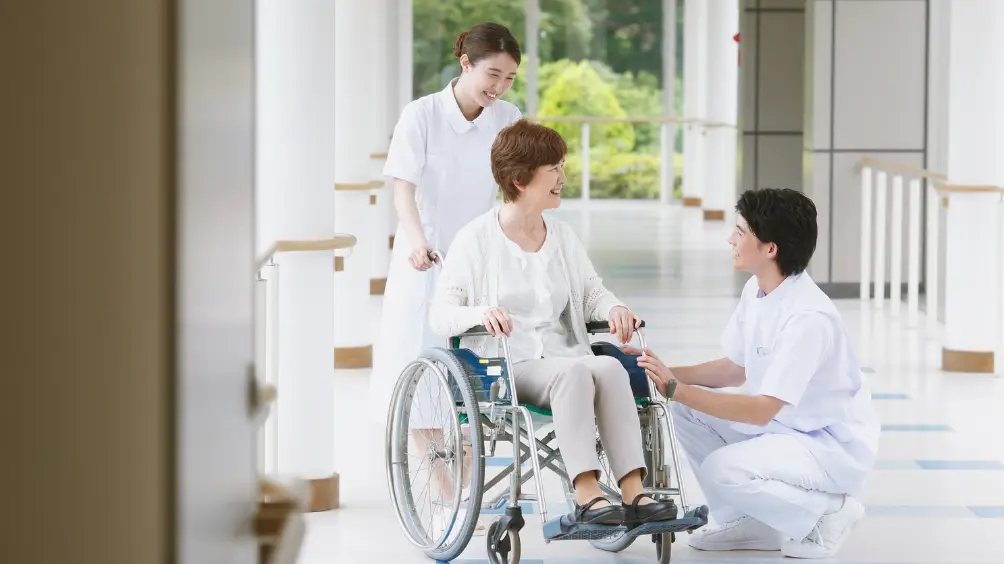
Postoperative Care at Sapiens Hospital
1. Individualized Recovery Planning with Pain & Rehabilitation Care
At Sapiens Hospital, postoperative recovery can be planned according to the patient’s type of surgery, pain level, physical function, underlying conditions, and individual recovery goals.
- Physicians involved in pain management and rehabilitation can assess postoperative pain and determine appropriate strategies for pain control and functional recovery.
- Physical therapists can provide rehabilitation appropriate to spine, joint, musculoskeletal, and postoperative conditions.
- Nursing care supports postoperative monitoring, medication administration, wound care, mobility, nutrition, and observation for warning signs or complications.
Rehabilitation goals and progression vary between patients. Treatment may focus on restoring range of motion, strength, balance, walking ability, and activities of daily living while following precautions appropriate to the specific surgical procedure.
2. Postoperative Monitoring and Patient Safety
- Monitoring of the surgical wound and signs of infection according to the patient’s condition and surgical procedure
- Monitoring of vital signs and clinical symptoms as medically indicated, with attention to abnormalities that may require further assessment
- Positioning, mobility, and pressure-injury prevention are planned according to the patient’s mobility, surgical precautions, and risk factors.
3. Active Recovery: Rehabilitation Beyond Passive Treatment
- Progressive therapeutic exercise may include range-of-motion, muscle-strengthening, balance, mobility, and functional training according to the type of surgery and stage of recovery.
- Gait training and appropriate assistive devices may be used after knee, hip, spine, or other musculoskeletal surgery when clinically indicated.
- Neurological rehabilitation may be incorporated for patients recovering from selected brain, nerve, or spinal procedures according to neurological function and individual needs.
When medically appropriate, early and progressive mobilization is an important component of postoperative recovery. The timing and intensity of rehabilitation should be determined by the surgical procedure, wound healing, pain, neurological status, weight-bearing restrictions, and the patient’s overall condition.
4. Preparing for Care After Discharge (Post-Discharge Care)
- Provide instructions on wound care, medication use, movement, exercise, and activities appropriate to the patient’s surgery.
- Follow-up appointments allow the medical team to assess recovery and adjust the rehabilitation plan when necessary.
- Patients and caregivers should be informed about warning signs that require medical attention, such as fever, worsening wound redness or discharge, severe or rapidly increasing pain, new weakness or numbness, difficulty breathing, chest pain, or unusual leg swelling.
Why Is Structured Postoperative Rehabilitation Important?
| Area of Care | Purpose | Sapiens Hospital Approach |
| Individualized rehabilitation | Match recovery to the patient’s condition | Recovery plan based on surgery, function, pain, and individual goals |
| Pain management | Support movement and rehabilitation | Pain assessment and treatment integrated with rehabilitation when appropriate |
| Postoperative monitoring | Identify potential complications | Clinical monitoring based on the patient’s condition and surgical procedure |
| Physical rehabilitation | Restore mobility, strength, and function | Progressive rehabilitation according to recovery stage |
| Care after discharge | Support safe recovery at home | Follow-up planning, self-care instructions, and rehabilitation guidance |
Quality Recovery Is an Important Step Toward Returning to Daily Life
Surgery is not necessarily the end of treatment. For many patients, it marks the beginning of a structured recovery process. Appropriate pain management, safe movement, rehabilitation, nutrition, wound care, and follow-up can help patients gradually regain function and return to daily activities according to their individual condition.
Sapiens Hospital focuses on integrating postoperative care, pain management, and rehabilitation with individualized treatment planning.
The appropriate recovery program and expected recovery time vary according to the type of surgery, age, underlying conditions, physical function, and each patient’s individual response to treatment.