

In Part 2 of our history of pain medicine, we explore substances that have been used to relieve pain from the past to the present, along with the side effects and consequences associated with their use.
Opium, Morphine, Heroin and Their Use in Pain Treatment
- Opium was once widely used as a general-purpose remedy. During the Victorian era, preparations containing opium mixed with alcohol, saffron, cinnamon, cloves and sherry were used for a wide range of conditions, including toothache, diarrhea, headache, abdominal pain and fever, and were even given to help children sleep.
- At the beginning of the 19th century, German pharmacist Friedrich Wilhelm Adam Ferdinand Sertürner succeeded in isolating morphine from opium in 1805. The substance was named after Morpheus, the Greek god associated with sleep.
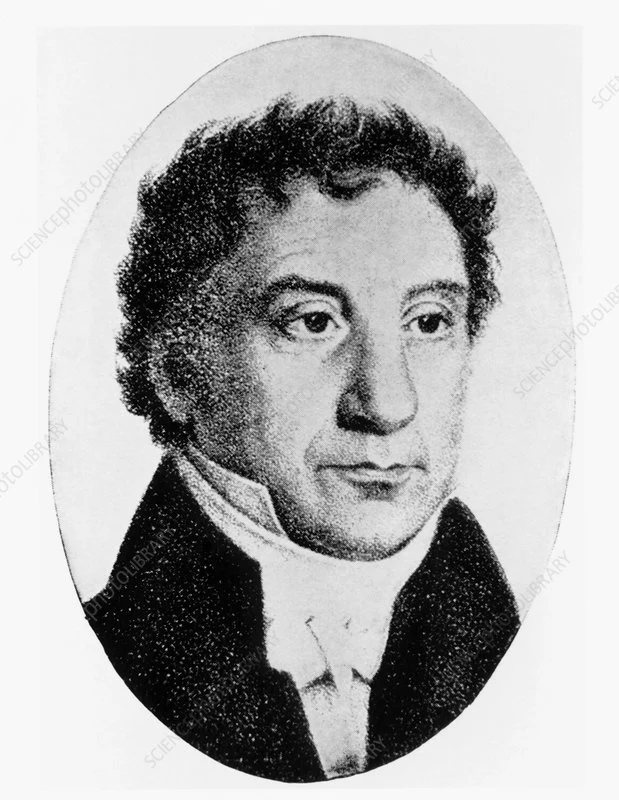
Friedrich Wilhelm Adam Sertürner
- In the 1840s, Merck in Darmstadt, Germany began producing morphine commercially. Around the same period, the development of needles and syringes helped expand the use of morphine beyond oral administration to injections beneath the skin.
- Morphine was also used excessively and without adequate control. During the American Civil War, many soldiers developed dependence on morphine.
- In 1874, Charles Alder Wright synthesized diacetylmorphine from morphine. Years later, Bayer marketed the substance under the name Heroin. It was promoted at the time as an effective cough treatment and was initially believed to have less addictive potential than morphine. This proved incorrect, and heroin later became a major substance-use problem, leading to increasingly strict legal controls over heroin, opium and morphine.
- As pharmaceutical synthesis advanced, additional opioid compounds were developed. During World War II, methadone was synthesized in Germany as an alternative opioid and was later also used in the treatment of opioid dependence.
- In the mid-20th century, fentanyl was developed as a potent synthetic opioid with analgesic effects considerably stronger than morphine.
- During the 1970s, scientific understanding of opioid receptors in the spinal cord and pain-processing areas of the brain advanced significantly.
- From the 1980s onward, newer opioid formulations and delivery systems were developed to improve pain control in patients with severe chronic diseases such as cancer.
- Transdermal fentanyl patches became available in the early 1990s. Fentanyl has since been developed in several delivery forms, including transdermal, transmucosal and inhaled formulations for selected clinical uses.
Ether and Chloroform in the Development of Anesthesia

- Ether became another important substance in the history of anesthesia. Dentist William Thomas Green Morton used ether anesthesia in patients undergoing dental procedures.
- On October 16, 1846, ether anesthesia was publicly demonstrated during surgery on Gilbert Abbott at Massachusetts General Hospital. After the successful procedure, surgeon John Collins Warren famously acknowledged the effectiveness of the demonstration.
- On December 21, 1846, one of the earliest major operations using ether anesthesia in England was performed at University College Hospital in London.
- Surgeon Robert Liston used ether anesthesia during the amputation of a patient’s leg above the knee.
- In 1847, Sir James Young Simpson introduced chloroform for obstetric anesthesia. Its use initially generated controversy, including religious and social objections to the relief of pain during childbirth.
- John Snow studied chloroform extensively and developed techniques for its administration. He famously administered chloroform to Queen Victoria during childbirth. Chloroform later became widely used, although concerns about its toxicity and higher risk compared with ether eventually limited its use.
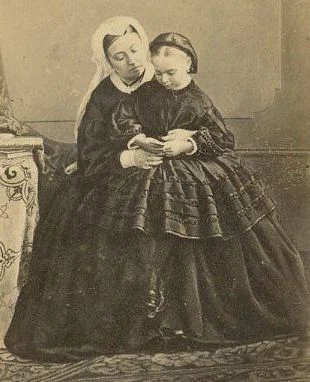
Queen Victoria and Princess Beatrice
- Nitrous oxide, commonly known as “laughing gas,” also became an important anesthetic and analgesic agent. Before becoming established in medicine and dentistry, it had also been used recreationally at social gatherings and public entertainment events.
Aspirin
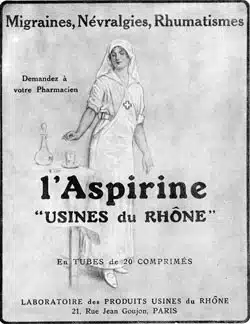
A 1923 advertisement promoting aspirin for migraine and rheumatic pain. Image source: Wikimedia Commons.
- Unlike opioids, salicylate-based pain medicines originated from willow bark, which had been used since ancient times to reduce fever and relieve discomfort. In the 19th century, salicin and salicylic acid were isolated and increasingly studied for their analgesic and anti-inflammatory properties.
- During the late 19th century, salicylates were used experimentally in patients with rheumatic conditions and neuralgic pain, helping establish their role in reducing pain and inflammation.
- Acetylsalicylic acid was later developed into what became known as Aspirin. Subsequent research showed that aspirin and other non-steroidal anti-inflammatory drugs reduce pain, fever and inflammation partly by inhibiting prostaglandin production. However, these drugs may also cause gastrointestinal irritation, ulcers and other adverse effects, leading to the development of newer NSAIDs with different safety profiles.
Cocaine and Local Anesthetics
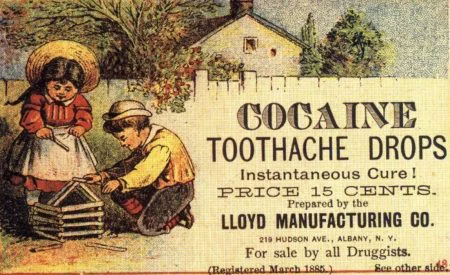
A historical advertisement promoting cocaine for toothache relief. Source: www.rarehistoricalphotos.com, referenced through Omega Pain Doctor.
- Coca plants were introduced to Europe centuries ago. During the 19th century, scientists increasingly isolated and studied active substances from coca leaves, eventually identifying cocaine.
- By the late 19th century, cocaine was being manufactured commercially and was incorporated into various medical and consumer products. Sigmund Freud wrote about coca in 1884, while ophthalmologist Karl Koller demonstrated cocaine’s effectiveness as a local anesthetic in eye surgery. Soon afterward, William Stewart Halsted explored nerve-block techniques using cocaine. However, the addictive potential of cocaine quickly became apparent.
- Cocaine was subsequently investigated for spinal and regional anesthesia. During this period it was sold in several pharmaceutical preparations and also appeared in commercial products before increasingly strict regulation was introduced.
- Early physicians also experimented with combinations of cocaine and opioids for severe cancer pain, reflecting attempts to improve analgesia in patients with advanced disease.
- Research into spinal anesthesia continued into the late 19th and early 20th centuries. Cocaine was among the first local anesthetics used for spinal anesthesia, although adverse effects such as severe headache, nausea and vomiting were reported.
- During the early 20th century, safer synthetic local anesthetics were developed. Procaine was introduced in the early 1900s, followed later by lidocaine and several other local anesthetic agents.
Additional local anesthetics such as bupivacaine, mepivacaine and prilocaine were subsequently developed, followed by newer agents such as ropivacaine.
Interventional Procedures and Surgical Approaches to Pain
- During the early 20th century, physicians began reporting techniques for injecting anesthetic agents around structures such as the celiac plexus to relieve pain.
- Other regional nerve-block techniques were subsequently developed, including injections around major nerve plexuses.
- Neurosurgical procedures targeting nerve roots were also explored as methods of reducing severe pain.
As understanding of the spinal pathways involved in transmitting pain improved, surgeons began developing procedures intended to interrupt pain signals in carefully selected patients with severe, otherwise difficult-to-control pain.
Patient-Controlled Analgesia
- During the 1960s, the concept of allowing patients to administer predetermined doses of pain medication themselves began to develop. This approach later evolved into Patient-Controlled Analgesia (PCA), which has been used particularly for postoperative pain and selected cases of severe cancer pain under medical supervision.
Please continue with us in the final chapter of the history of pain management.
References
https://painmanagementcollaboratory.org/pain-management-history-timeline/
https://www.britannica.com/science/pain
https://omegapaindoctor.com/blog/history-of-pain-management/