
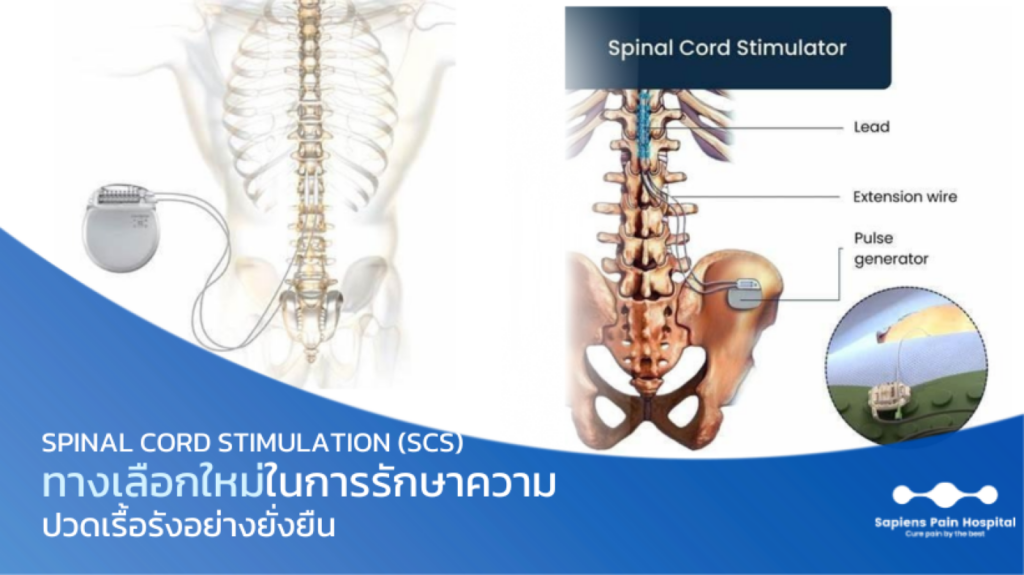
Spinal Cord Stimulation (SCS)
An Advanced Option for Long-Term Chronic Pain Management
When conventional treatments are not enough… technology may offer another option
Many patients live with chronic pain such as back pain, leg pain, numbness, burning sensations, or neuropathic pain. Even after treatment with medications, physical therapy, or surgery, symptoms may continue to interfere with everyday life.
Spinal Cord Stimulation (SCS) is an established treatment option for selected patients with chronic pain that has not responded adequately to conventional treatments.
What Is Spinal Cord Stimulation?
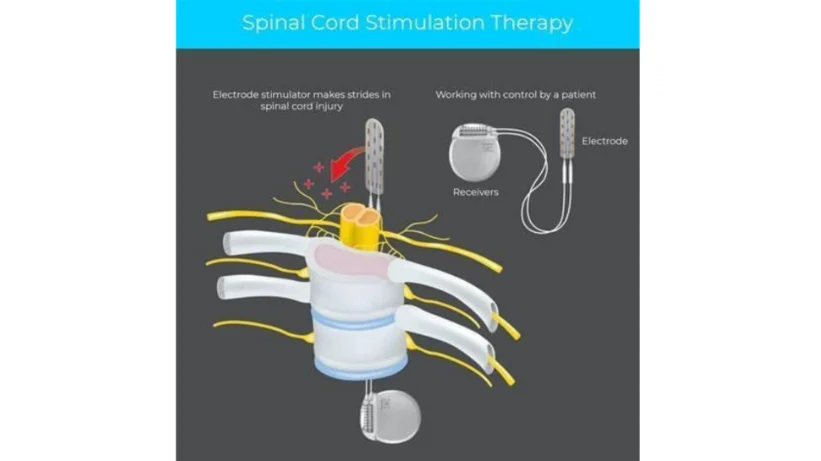
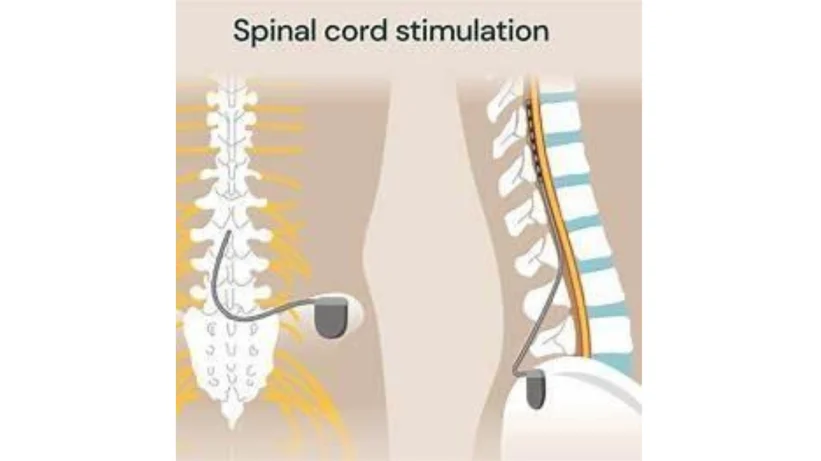
Spinal Cord Stimulation (SCS) uses a small implanted neurostimulation system to deliver electrical impulses through electrodes positioned in the epidural space near the spinal cord. The stimulation modifies pain signals before they are processed by the brain and may help reduce the perception of pain.
For appropriately selected patients, SCS may help reduce pain medication requirements and improve function and participation in daily activities. Individual responses vary.
Who May Be Suitable for SCS?
- People with persistent back or leg pain after spinal surgery, sometimes referred to as Failed Back Surgery Syndrome or Persistent Spinal Pain Syndrome
- People with Complex Regional Pain Syndrome (CRPS), which may involve pain, swelling, color changes, and increased sensitivity to touch
- Selected patients with chronic neuropathic pain, which may feel like numbness, burning, tingling, or electric-shock-like pain
- Selected patients with ischemic limb pain associated with reduced blood flow in an arm or leg
Note: Whether SCS is appropriate depends on a comprehensive assessment by a pain management specialist and the individual indication.
Treatment Process: Trial and Permanent Implantation1. Trial Phase
The trial phase helps determine whether SCS provides meaningful benefit for an individual patient before proceeding with permanent implantation.
- A physician places one or more electrode leads into the epidural space, usually through a needle, using fluoroscopic X-ray guidance to confirm appropriate positioning
- The leads are connected to an external temporary neurostimulator
- The trial commonly lasts several days, often around 5–7 days depending on the clinical protocol and device. During this period, the medical team monitors the response and the patient may be asked to record pain levels, daily activities, function, and sleep quality
If the trial demonstrates meaningful pain reduction, commonly around 50% or greater together with functional improvement, the physician may consider proceeding to permanent implantation. The decision is individualized and is not based on pain scores alone.
2. Permanent Implantation
If the trial provides satisfactory benefit and the patient is considered an appropriate candidate, a permanent system may be implanted. The procedure generally includes:
- Implantation of the electrode leads and a small pulse generator or battery under the skin, commonly in the buttock, flank, or torso depending on the system and patient
- The patient receives a controller that can be used to operate the system and, depending on the device, adjust prescribed stimulation settings
- Follow-up appointments are scheduled so the physician or clinical team can monitor treatment and adjust programming when appropriate
- After implantation, certain movements such as excessive bending, twisting, stretching, or heavy lifting may need to be temporarily restricted to reduce the risk of lead displacement while healing occurs
What Does SCS Feel Like?
- With some stimulation programs, patients may feel tingling or a mild electrical sensation in the painful area, known as paresthesia
- Some newer stimulation modes are designed to provide therapy without noticeable paresthesia
- With certain systems, the perceived stimulation may change with body position, although device technologies differ
Potential Benefits of SCS Supported by Clinical Evidence
- May provide meaningful reduction in chronic pain in appropriately selected patients
- May reduce reliance on some pain medications in certain patients
- May improve function, mobility, and ability to participate in daily activities
- Improved pain control may contribute to better sleep and quality of life in some patients
- SCS is a recognized interventional pain treatment, but as an implanted medical device it carries procedural and device-related risks that should be discussed with the treating specialist
Possible Complications
- Lead migration or displacement
- Infection around the implanted system
- Cerebrospinal fluid leak or post-dural puncture headache in some procedures
- Uncomfortable, unexpected, or incorrectly located stimulation
- Loss or reduction of therapeutic benefit over time, device malfunction, or the need for revision or replacement
Careful patient selection, appropriate surgical technique, device programming, wound care, and ongoing follow-up are important for reducing and managing these risks.
Rechargeable and Non-Rechargeable Systems:
Battery longevity and charging requirements differ substantially between manufacturers, models, stimulation settings, and individual usage.
- Rechargeable systems: designed for long-term use and require regular charging. Charging frequency and expected device life vary by model and stimulation settings
- Non-rechargeable systems: do not require routine charging, but the implanted pulse generator must eventually be replaced when the battery reaches the end of its service life. Battery longevity depends on the specific system and treatment settings
Living With an SCS System
1. Activities That May Be Possible After Recovery
- Many patients can return to normal daily activities after the post-operative recovery period. Walking, exercise, driving, and bathing should be resumed according to the treating team’s instructions and the specific device guidelines
- Most ordinary household electronic devices can generally be used, but patients should follow the manufacturer’s instructions for their implanted system
- Carry the SCS device identification card when traveling or receiving medical treatment
2. Precautions / Procedures Requiring Special Attention
- MRI: MRI compatibility depends on the exact SCS system and implanted components. Some systems are MRI-conditional only under specified conditions. Always inform the radiology team and follow the manufacturer’s MRI instructions before scanning
- Electrocautery and other surgical electrical equipment: tell the surgical team about the SCS before any procedure. Device management and cautery technique should follow the manufacturer’s instructions and the treating team’s recommendations
- Diathermy: generally contraindicated with implanted SCS systems because transmitted energy can cause serious tissue injury. Follow the specific device manufacturer’s warnings
- Physical therapy: inform the therapist about the implanted SCS. Certain forms of therapeutic ultrasound, electrical stimulation, or forceful manipulation near the implanted components may require avoidance or specific precautions
- Other surgery or medical procedures: always inform healthcare professionals that an SCS system has been implanted
- Security and electromagnetic systems: carry the device identification card and follow the manufacturer’s recommendations for airport security systems, theft detectors, and other strong electromagnetic fields
If SCS Is Not Appropriate, Other Treatment Options Remain Available
- Pain medications in oral, injectable, topical, or transdermal forms as clinically appropriate
- Physical therapy and rehabilitation
- Selected interventional pain procedures, such as targeted nerve blocks or injections when indicated
- Spine surgery when there is a clear structural condition for which surgery is clinically indicated
SCS may be an important option for selected patients whose chronic pain has not responded adequately to other appropriate treatments.Why Consider SCS at Sapiens Hospital?
At Sapiens Hospital, chronic pain care is approached on an individual basis, with treatment planning based on the patient’s condition, functional goals, and appropriate medical technology.
Our Approach:
- Physicians specializing in pain medicine
- Multidisciplinary care involving relevant specialties such as neurosurgery and rehabilitation medicine when appropriate
- A structured process from patient assessment and trial stimulation to permanent implantation and follow-up when clinically indicated
- Rehabilitation planning with relevant multidisciplinary professionals according to individual needs
- Follow-up options are determined according to the patient’s clinical needs and available hospital services
- Care is provided with an emphasis on appropriate clinical standards, patient safety, and individualized treatment planning
“We do more than address symptoms. We listen to each patient’s experience of pain to identify an appropriate treatment pathway.”
For an initial consultation or further information, please contact
Sapiens Hospital
Tel: 02-111-3703
Website: www.sapienspainhospital.com