
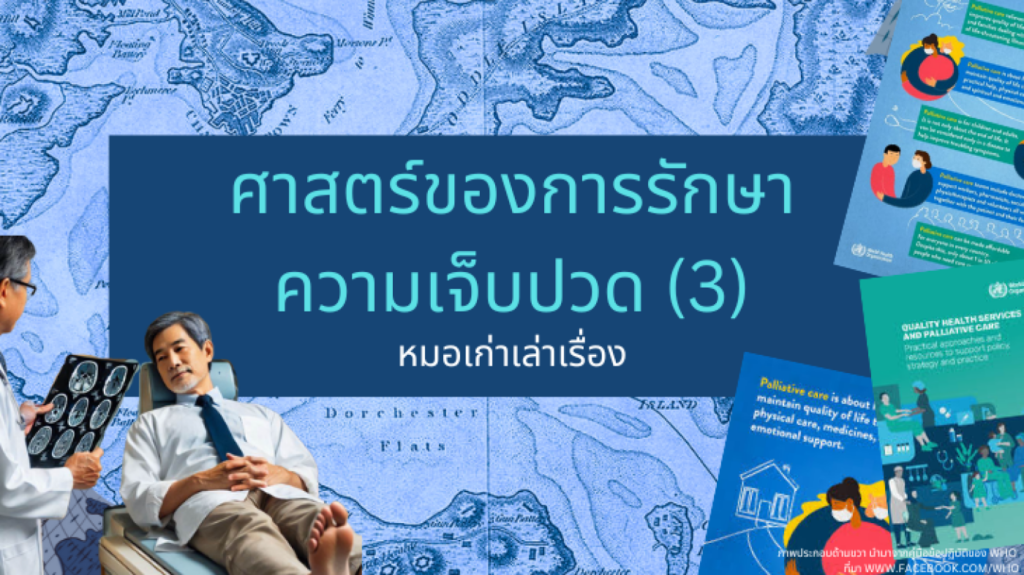
Organizations Dedicated to Pain Management
- After World War II, one of the earliest clinics established specifically for the treatment of chronic pain was created at Bellevue Hospital in New York by anesthesiologist E. Lowenstein. In Europe, one of the first dedicated pain clinics was established at University College Hospital in London, followed by many others. Early pain treatment focused largely on local anesthetic injections, neurolytic techniques, injectable and oral medications, transdermal therapies, and other approaches aimed at controlling pain.
- In 1953, John J. Bonica published one of the landmark medical textbooks on pain management. He later established the Multidisciplinary Pain Center at the University of Washington. Before that, Bonica had already played a key role in the development of international pain organizations and in bringing specialists together for major scientific meetings during the 1970s.
- During the 1980s, international collaboration on pain relief expanded further. The World Health Organization developed guidance on the use of analgesic medications for cancer pain, culminating in the publication of the WHO cancer pain relief guidelines in 1986. These recommendations were later translated and distributed in many languages worldwide.
World Institute of Pain (WIP)
Building on decades of development in pain medicine, the World Institute of Pain (WIP) was founded in 1993 by physicians and specialists involved in pain management. Its objectives include promoting high standards of pain practice, professional ethics, shared clinical principles, education, research, and the advancement of interventional pain techniques. The organization regularly holds scientific meetings and provides professional certification for physicians who meet its required standards of knowledge and practice.
Modern pain medicine has also increasingly embraced concepts such as total pain, which considers physical, psychological, social, and emotional dimensions of suffering, as well as palliative care, which focuses on improving quality of life and supporting both patients and their families.
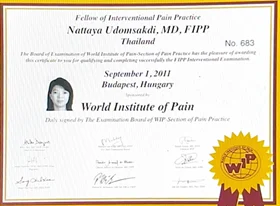
Dr. Nattaya Udomsakdi became the first Thai physician to receive this certification in 2011.
Pain Relief as a Fundamental Human Right
This concept may still be unfamiliar to some people in Thailand, but internationally the recognition of appropriate pain relief has become an important principle in healthcare. Patients should have reasonable access to assessment, treatment options, and medicines that can help relieve suffering from pain.
Failure to appropriately assess and manage severe pain may raise ethical and human-rights concerns, especially when effective pain relief is available but unnecessarily withheld.
Important milestones include:
- In 1981, the World Medical Association adopted the Declaration of Lisbon on the Rights of the Patient, which established important principles concerning patient rights. The declaration has subsequently been revised several times.
- In 1986, the WHO published its landmark cancer pain relief guidance, emphasizing the importance of appropriate pain control for patients with cancer.
- International human-rights frameworks have also increasingly recognized that unnecessary and untreated suffering may raise serious ethical concerns, particularly when adequate medical care is available.
Hospice and End-of-Life Care
This may be a difficult subject, but it is also a natural part of human life. For patients who know that they are approaching the final stage of life, hospice care and end-of-life care aim to minimize pain and suffering while preserving dignity and comfort. The focus is often on quality of life, emotional support, symptom control, and helping patients and families experience the final stage of life as peacefully as possible. Pain specialists may also play an important role in this multidisciplinary approach.
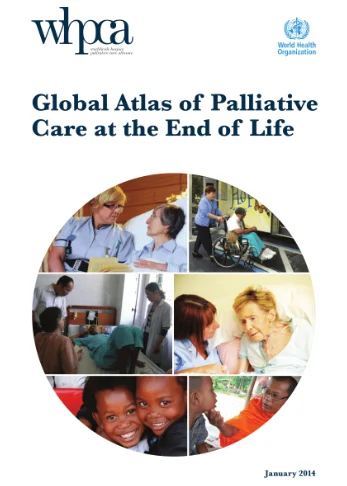
WHO guidance on palliative and end-of-life care has contributed significantly to the development of modern standards for symptom control and quality-of-life care.
- Early forms of care for people approaching the end of life can be traced back centuries, including religious institutions that provided shelter and care for the seriously ill, the dying, and vulnerable members of society. Modern hospice care later developed more formally in Europe and North America.
- A central principle of hospice care is to prioritize comfort, dignity, symptom relief, and the patient’s personal wishes. When appropriate, care may also be provided at home rather than focusing exclusively on aggressive medical treatment.
- During the late twentieth century, academic and clinical literature on hospice and end-of-life care expanded significantly, helping establish palliative medicine as an important field of healthcare.
- WHO recommendations have continued to evolve over time, with increasing emphasis on integrating palliative care into health systems and making it available earlier in the course of serious illness when appropriate.

Pain management has developed considerably from the past to the present. As our understanding of how the human nervous system processes pain has improved, treatment options have expanded to include oral medications, injections, intravenous medications, epidural and spinal procedures, nerve blocks, radiofrequency techniques, surgery, physical therapy, rehabilitation, and psychological approaches.
We will continue sharing easy-to-understand stories and useful knowledge about pain, health, and modern pain management that readers may be able to apply in their own daily lives.
Please stay tuned for more stories about living with less pain, greater comfort, and a more active life.
Sapiens Hospital is a general hospital with expertise in comprehensive pain management and multidisciplinary medical care.
References
https://painmanagementcollaboratory.org/pain-management-history-timeline/
https://www.britannica.com/science/pain
https://omegapaindoctor.com/blog/history-of-pain-management/