
Acid Reflux, Chest Pain, and Heartburn: How Can You Tell It Apart from Heart Disease?
Chest pain often makes people immediately wonder, “Could this be a heart problem?” However, chest pain or a burning sensation in the chest does not always originate from the heart. One common cause is gastroesophageal reflux disease (GERD), in which stomach contents reflux into the esophagus.
The challenge is that symptoms of acid reflux and heart disease can sometimes be very similar.
- Some patients describe “pressure or tightness in the center of the chest.”
- Some experience “a burning sensation rising toward the throat.”
- Others describe pain that feels “like something heavy is pressing on the chest.”
- Some develop symptoms at night and become concerned that they may have a heart problem.
The important question is therefore not simply, “Is it acid reflux or heart disease?”
It is also important to understand how the symptoms may differ and when chest pain requires urgent medical attention. This article explains the differences between GERD-related chest discomfort and heart-related chest pain in an easy-to-understand way while emphasizing medical safety.
What Is Acid Reflux?
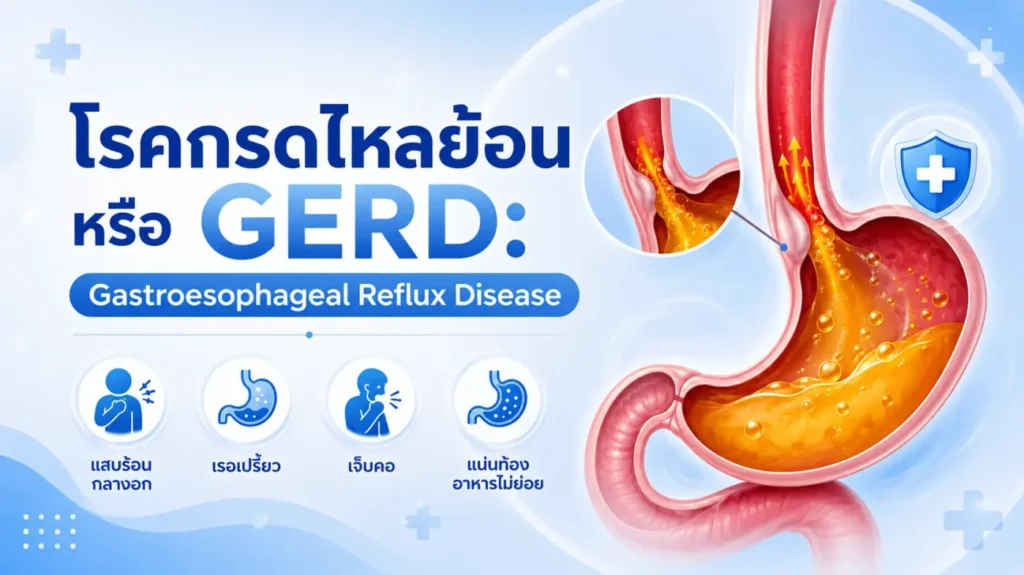
Gastroesophageal reflux disease (GERD) occurs when stomach contents repeatedly flow back into the esophagus and cause troublesome symptoms or complications. Patients may experience heartburn, acid regurgitation, a sour or bitter taste, upper abdominal discomfort, or chest pain-like symptoms.
The lower esophageal sphincter and other mechanisms normally help prevent stomach contents from flowing back into the esophagus. When these protective mechanisms are impaired or pressure within the abdomen or stomach increases, reflux may occur more easily.
GERD does not always cause only “a burning throat” or “acid burping.” Some patients may experience chest discomfort, chronic cough, hoarseness, throat symptoms, difficulty swallowing, or a sensation of a lump in the throat.
Why Can Acid Reflux Cause Chest Pain?
The esophagus runs through the center of the chest, close to the heart. Reflux-related irritation of the esophagus can produce burning, discomfort, pressure, or pain that may resemble heart-related chest symptoms.
Features that may occur with GERD-related chest discomfort include:
- Burning behind the breastbone or discomfort in the upper abdomen
- Acid regurgitation or a sour or bitter taste in the mouth
- Symptoms occurring or worsening after a large meal
- Symptoms worsening when lying down or bending over
- Symptoms that may improve after sitting upright or appropriate acid-suppressing treatment
- Symptoms that may occur at night after going to bed
However, an important point is that GERD-related chest pain can resemble heart-related chest pain. Therefore, chest pressure, tightness, or deep chest discomfort should not automatically be assumed to be acid reflux.
How Can Heart Disease Cause Chest Pain?
One of the most important cardiac causes of chest pain is inadequate blood flow to the heart muscle, such as myocardial ischemia caused by coronary artery disease or an acute coronary syndrome.
Features that may raise concern for a cardiac cause include:
- Pressure, squeezing, heaviness, or tightness in the center of the chest
- Discomfort that spreads to one or both arms, shoulders, neck, jaw, back, or upper abdomen
- Symptoms triggered or worsened by physical exertion, such as walking quickly, climbing stairs, exercising, or sometimes emotional stress
- Symptoms that may improve with rest
- Shortness of breath, sweating, dizziness, nausea, unusual weakness, or other concerning symptoms occurring with chest discomfort
- Cardiovascular risk factors such as increasing age, diabetes, high blood pressure, high cholesterol, smoking, overweight or obesity, kidney disease, or a family history of premature cardiovascular disease
Heart problems do not always present with the “classic” symptoms. Some people, including older adults, women, and people with diabetes, may experience less typical symptoms such as shortness of breath, upper abdominal discomfort, nausea, sweating, or unusual fatigue. Therefore, if chest symptoms are unclear—especially in someone with cardiovascular risk factors—they should be medically evaluated rather than assumed to be GERD.
How Do Acid Reflux and Heart-Related Chest Pain Differ?
The symptoms can overlap, but several features may provide clues.
1. Relationship to Food
GERD symptoms may occur after meals, particularly large meals, and can worsen after lying down soon after eating. Individual food triggers vary and may include high-fat foods, spicy foods, coffee, tea, chocolate, carbonated drinks, or alcohol.
Heart-related chest discomfort is often more closely associated with exertion or increased cardiovascular demand, although this pattern is not present in every patient.
2. Characteristics of the Symptoms
GERD commonly causes burning behind the breastbone, acid regurgitation, a sour or bitter taste, or upper abdominal discomfort.
Cardiac ischemia may cause pressure, squeezing, heaviness, tightness, or discomfort in the chest and may radiate to the arms, shoulders, neck, jaw, back, or upper abdomen.
3. Relationship to Body Position
GERD may worsen when lying flat or bending over, particularly after eating, and may improve when sitting upright.
Heart-related ischemic symptoms are generally less directly related to body position and may be more closely related to exertion, although symptoms can vary.
4. Associated Symptoms
GERD may be accompanied by acid regurgitation, throat irritation, cough, hoarseness, difficulty swallowing, or a lump-like sensation in the throat.
Heart-related chest discomfort may occur with shortness of breath, sweating, dizziness, nausea, fainting, or unusual weakness.
5. Response to Medication
GERD symptoms may improve with antacids or acid-suppressing medication. However, improvement after an antacid does not reliably rule out a heart problem. Suspected cardiac chest pain requires appropriate medical assessment, which may include an electrocardiogram (ECG), cardiac troponin testing, and additional investigations depending on the clinical situation.
Warning Signs: When Should Chest Pain Be Evaluated Urgently?
If you experience any of the following, do not simply assume that the symptoms are caused by acid reflux:
- Severe, persistent, or worsening chest pressure, tightness, heaviness, or pain
- Chest discomfort spreading to the arms, shoulders, neck, jaw, back, or upper abdomen
- Shortness of breath, heavy sweating, dizziness, fainting, or marked weakness
- Nausea or vomiting together with significant chest discomfort
- Chest symptoms occurring during exertion or repeatedly triggered by exertion
- New or unexplained chest pain, particularly when persistent or severe
- Chest pain in someone with cardiovascular risk factors such as diabetes, hypertension, high cholesterol, kidney disease, or smoking
- A family history of premature cardiovascular disease
These symptoms may require urgent medical assessment. If an acute heart condition is responsible, timely diagnosis and treatment are important for reducing the risk of serious complications.
What Should You Do If You Think You Have Acid Reflux?
If symptoms are consistent with GERD—for example, heartburn after meals, acid regurgitation, a sour taste, or symptoms that worsen when lying down—and there are no warning signs suggesting an emergency, a doctor may recommend lifestyle changes together with appropriate medication.
Initial measures may include:
- Avoid lying down soon after eating; leaving approximately 2-3 hours between the last meal and bedtime may help
- Avoid very large meals, particularly late in the evening
- Identify and reduce foods or drinks that consistently trigger symptoms rather than unnecessarily avoiding every potential trigger
- Consider weight reduction if overweight or obesity is contributing to symptoms
- For troublesome nighttime symptoms, elevating the head of the bed may help
- Avoid clothing or belts that place excessive pressure on the abdomen if they trigger symptoms
- Stop smoking
- Use medication according to medical advice and avoid prolonged self-treatment without appropriate assessment
Importantly, if symptoms do not improve, recur frequently, change in character, or are accompanied by other concerning symptoms, medical evaluation is recommended.
How Is GERD Diagnosed?
Diagnosis usually begins with a detailed medical history. The doctor may ask whether symptoms occur after eating or while lying down, whether acid regurgitation or a bitter taste is present, and whether there are alarm symptoms such as difficulty swallowing, painful swallowing, gastrointestinal bleeding, unexplained weight loss, or persistent vomiting.
For patients with typical GERD symptoms and no alarm features, a doctor may initially consider lifestyle measures and an appropriate trial of medication.
In some patients, additional investigations may be necessary, such as:
- Electrocardiogram (ECG): Particularly important when a patient presents with chest pain, chest pressure, or features suggesting a possible cardiac cause. Potentially dangerous cardiovascular conditions should be considered before attributing unexplained chest pain to GERD.
- Cardiac blood tests: Cardiac troponin testing may be used when acute myocardial injury or acute coronary syndrome is suspected.
- Upper gastrointestinal endoscopy: May be considered when alarm symptoms are present, such as difficulty swallowing, painful swallowing, gastrointestinal bleeding, unexplained weight loss, anemia, persistent vomiting, or symptoms that do not respond adequately to appropriate treatment.
- Esophageal reflux monitoring: Ambulatory pH or impedance-pH monitoring may be considered in selected patients when the diagnosis is uncertain or symptoms persist despite appropriate treatment.
- Esophageal manometry: May be used when an esophageal motility disorder is suspected or in selected patients undergoing further evaluation.
Chest Pain Not Caused by the Heart Can Have Other Causes
Although GERD is a common cause of noncardiac chest pain, it is not the only possible explanation. Chest pain may also arise from:
- Musculoskeletal conditions involving the chest wall, or lung and pleural conditions
- Esophageal motility disorders or esophageal spasm
- Peptic ulcer disease or other gastrointestinal disorders
- Stress, anxiety, or panic attacks
- Early-stage shingles
- Other conditions requiring assessment according to the symptoms and individual risk factors
For this reason, chest pain should not be diagnosed based on symptoms alone. A systematic assessment of the medical history, associated symptoms, risk factors, physical examination, and appropriate investigations may be necessary.
Frequently Asked Questions
1. Can acid reflux really cause chest pain?
Yes. GERD can cause heartburn, pressure, discomfort, or chest pain because refluxed stomach contents can irritate the esophagus. However, severe or unexplained chest pressure, symptoms occurring during exertion, shortness of breath, sweating, or dizziness require prompt medical assessment to exclude potentially serious cardiac causes.
2. How is heartburn different from heart-related chest pain?
GERD-related heartburn is often associated with meals, lying down, acid regurgitation, or a sour or bitter taste. Cardiac ischemic discomfort may feel like pressure, squeezing, heaviness, or tightness and may be triggered by exertion or spread to other areas. However, symptoms can overlap, so these features cannot reliably diagnose the cause on their own.
3. If antacids relieve the pain, does that mean it is not heart disease?
No. Improvement after an antacid does not reliably exclude a cardiac cause. People with new, severe, persistent, or otherwise concerning chest symptoms should receive appropriate medical assessment, particularly if they have cardiovascular risk factors.
4. Does everyone with GERD need an endoscopy?
No. People with typical symptoms and no alarm features may initially be managed with lifestyle measures and medication as clinically appropriate. Further investigation may be recommended when alarm symptoms are present or symptoms persist despite appropriate treatment.
5. Can GERD become chronic?
Yes. GERD may be persistent or recurrent. Factors such as overweight or obesity and individual dietary or lifestyle triggers may contribute to symptoms. Frequent or persistent symptoms should be medically assessed so that an appropriate long-term management plan can be developed.
6. When should I seek urgent medical attention?
Seek urgent medical attention for severe, persistent, or unexplained chest pain or pressure, particularly when accompanied by shortness of breath, sweating, dizziness, fainting, marked weakness, nausea, or discomfort spreading to the arms, shoulders, neck, jaw, back, or upper abdomen. Symptoms occurring during exertion also warrant particular attention.
GERD is common and can genuinely cause chest pain or heartburn. However, chest pain requires caution because heart-related conditions can sometimes produce symptoms that resemble acid reflux. This is particularly important in people with cardiovascular risk factors such as diabetes, high blood pressure, high cholesterol, smoking, kidney disease, or a family history of premature cardiovascular disease.
A safe principle is: “If chest pain is new, severe, persistent, occurs with exertion, or is accompanied by shortness of breath, sweating, dizziness, fainting, or other concerning symptoms, seek prompt medical evaluation to rule out a serious cardiac cause.”
When GERD is correctly diagnosed, appropriate lifestyle changes, medication when indicated, and follow-up can help control symptoms and reduce recurrence. Chest pain should not be self-diagnosed when the cause is uncertain. Appropriate assessment is the starting point for safe treatment.
For information and appointments
Sapiens Hospital “Move Better : Live Better”
Tel. 02 1113703
1. Katz PO, Dunbar KB, Schnoll-Sussman FH, Greer KB, Yadlapati R, Spechler SJ. ACG Clinical Guideline for the Diagnosis and Management of Gastroesophageal Reflux Disease. American Journal of Gastroenterology. 2022;117(1):27–56.
2. Gulati M, Levy PD, Mukherjee D, et al. 2021 AHA/ACC/ASE/CHEST/SAEM/SCCT/SCMR Guideline for the Evaluation and Diagnosis of Chest Pain. Circulation. 2021;144:e368–e454.
3. Li T, Holleman J, Fass R. Diagnosis and Management of Noncardiac Chest Pain. Gastroenterology & Hepatology. 2024.
4. Fass R, Achem SR. Noncardiac Chest Pain: Epidemiology, Natural Course and Pathogenesis. Journal of Neurogastroenterology and Motility. 2011;17(2):110–123.
5. Fass R. Diagnosis and Management of Functional Chest Pain in the Rome IV Era. Journal of Neurogastroenterology and Motility. 2019;25(4):487–498.