
A bone fracture is not only a painful event at the time of injury. It also marks the beginning of a recovery process that requires appropriate treatment, patience, rehabilitation, and attention to overall health. Recovery differs according to the bone involved, the severity and type of fracture, age, general health, and whether treatment involves a cast, brace, surgery, or other methods. This article explains practical approaches to preventing future fractures and caring for yourself after fracture treatment, with the goal of supporting bone healing, restoring movement and strength, and helping you return safely to daily activities.
Strengthening Bones and Muscles
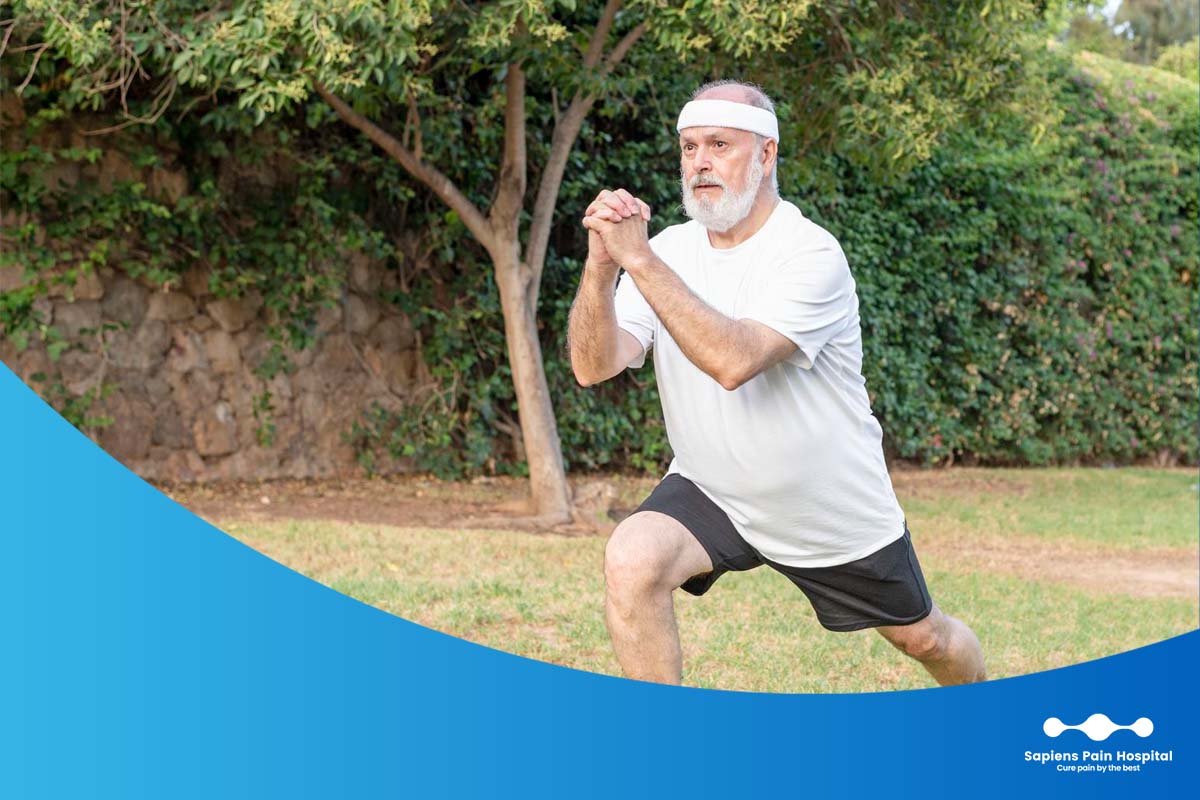
Maintaining healthy bones and muscles is an important part of reducing fracture risk and supporting recovery after treatment. Strong muscles can improve movement, balance, and joint stability, while adequate bone health helps the skeleton tolerate everyday loads. However, exercise after a fracture must be appropriate for the stage of healing and the type of injury. Activities that are beneficial before injury may not be safe immediately after a fracture, so progression should follow medical or rehabilitation guidance.
Appropriate Exercise
Weight-bearing activities such as walking, jogging, dancing, and some sports can help maintain or improve bone health in appropriate individuals, while resistance exercise using weights, machines, or resistance bands can improve muscle strength and may support bone density over time. Balance and functional exercises can also help reduce fall risk. After a fracture, however, the type, intensity, and timing of exercise should be individualized. High-impact activity, running, jumping, or heavy resistance may need to be delayed until the fracture has healed sufficiently and the treating clinician has confirmed that progression is safe.
Sunlight and Vitamin D
Vitamin D plays an important role in calcium absorption and bone health. Low vitamin D levels can contribute to poor bone mineralization and may be associated with increased fracture risk in some people. The body can produce vitamin D when skin is exposed to sunlight, but the amount produced depends on many factors, including time of day, skin pigmentation, age, clothing, season, latitude, and sun-protection practices. There is therefore no single sunlight duration that is suitable for everyone. People at risk of vitamin D deficiency may benefit from dietary sources, testing, or supplementation according to medical advice while also considering appropriate protection from excessive ultraviolet exposure.
Balance and Flexibility Training
Good balance, coordination, lower-limb strength, and mobility can help reduce the risk of falls, which are a major cause of fractures, particularly in older adults. Activities such as Tai Chi, selected yoga exercises, supervised balance drills, and standing exercises may be useful depending on the individual’s ability and fall risk. Mobility or stretching exercises may help maintain comfortable movement when appropriate, but there is no universal requirement to stretch for a fixed duration or a fixed number of sessions each week. After a fracture, balance and flexibility training should be modified to avoid stressing the healing bone or surgical site.
Eating a Balanced Diet to Support Recovery
Nutrition plays an important role in maintaining bone and muscle health and supporting tissue repair. Important nutrients include:
- Calcium : Calcium is an important mineral in bone. Adequate intake supports normal bone metabolism. Food sources include milk, yogurt, cheese, small fish eaten with the bones, calcium-set tofu, sesame seeds, and some dark-green vegetables. Individual requirements vary with age, sex, health conditions, and dietary pattern.
- Vitamin D : Vitamin D helps the body absorb calcium and supports normal bone metabolism. Sources include sunlight exposure and foods such as fatty fish, egg yolks, and vitamin D-fortified foods. Some people may require supplementation if intake or blood levels are inadequate, but supplementation should be individualized.
- Protein : Protein is important for muscle maintenance, tissue repair, and recovery. Appropriate protein intake may be particularly important during rehabilitation, especially when physical activity has been reduced. Sources include meat, fish, eggs, milk, soy products, beans, and other legumes.
- Magnesium : Magnesium contributes to normal bone metabolism and many other physiological processes. Sources include nuts, seeds, whole grains, legumes, leafy vegetables, and other foods.
- Other nutrients : Vitamins and minerals such as vitamin K, vitamin C, phosphorus, zinc, copper, and other micronutrients are also involved in bone and tissue health. A varied diet containing vegetables, fruits, whole grains, adequate protein, and other nutrient-rich foods is generally preferable to relying on individual supplements unless a deficiency or specific medical indication has been identified.
Avoiding Risky Behaviors and Preventing Accidents
Preventing another fracture involves reducing situations that increase the likelihood of falls, collisions, and other injuries. Road safety measures include driving at a safe speed, wearing seat belts, and using appropriate protective equipment when riding motorcycles, cycling, working in hazardous environments, or participating in sports. Helmets and sport-specific protective equipment can reduce the severity of some injuries, although they cannot prevent every fracture. In daily life, appropriate footwear, adequate lighting, safe use of stairs, and attention to environmental hazards can help reduce fall risk, particularly in people with impaired balance or mobility.
Creating a Safer Environment
Improving the home environment can help reduce the risk of falls during recovery and after returning to daily activities. Common hazards include slippery surfaces, loose rugs or objects in walkways, poorly arranged furniture, and insufficient lighting. Keeping frequently used areas clear and well lit, especially hallways, stairs, bathrooms, and kitchens, can make movement safer.
Floors should be kept as dry and uncluttered as possible. Non-slip surfaces or mats may be useful in selected areas, and grab bars or handrails can improve safety for people who need additional support. Furniture can also be arranged to make transfers and walking easier; for example, an appropriately sized chair with armrests may be helpful for some patients. Environmental changes should be individualized according to the patient’s mobility, fracture location, assistive devices, and fall risk.
Self-Care After Fracture Treatment
Treatment with a cast, brace, surgery, or another method is only part of fracture recovery. Restoring movement and function requires ongoing care and adherence to the treating team’s instructions. Recommendations vary considerably depending on the fracture, stability of fixation, surgical procedure, and stage of healing. Appropriate wound or cast care, pain management, nutrition, safe movement, and rehabilitation can support recovery and reduce the risk of complications.
- Cast care : Follow the specific instructions for the type of cast or splint being used. Many traditional casts should be kept dry, while some newer materials may have different instructions. Do not insert objects into the cast to scratch the skin because this can cause injury or infection. Contact the medical team if the cast becomes damaged, excessively tight or loose, or if there is increasing pain, numbness, burning, discoloration, unusual odor, drainage, or significant swelling of the fingers or toes.
- Surgical wound care : Keep the wound and dressing according to the surgeon’s instructions. When the wound can safely get wet depends on the procedure, closure method, dressing, and surgeon’s protocol, so a fixed rule such as avoiding water for exactly 2 weeks does not apply to every patient. Seek medical advice if there is increasing redness, swelling, warmth, drainage, wound separation, fever, or worsening pain.
- Managing pain and swelling : Use prescribed or recommended pain medication as directed. Cold therapy may help reduce pain and swelling during some stages of recovery when appropriate, but it should be used safely and not placed directly on the skin. Elevating an injured arm or leg can help reduce swelling in some fractures, particularly in the early stages. Severe or rapidly increasing pain or swelling should be medically assessed.
- Appropriate nutrition : Eat a balanced diet with adequate calories, protein, calcium, vitamin D, and other nutrients required for healing. Supplements are not automatically necessary for every fracture and should be used when dietary intake is insufficient or when recommended by a clinician. Smoking and nicotine can impair bone healing and should be avoided. Heavy alcohol use may also interfere with recovery and increase the risk of falls. Moderate caffeine intake does not need to be universally prohibited, although excessive intake should not replace nutritious food, adequate hydration, or sufficient calcium intake.
- Movement and physical therapy : Weight-bearing and movement restrictions depend on the fracture and the stability of treatment. Some fractures require temporary protection from loading, while others benefit from earlier controlled movement or weight-bearing. Follow the surgeon’s or physician’s instructions rather than using a single rule for every fracture. When permitted, movement of unaffected joints and structured physical therapy can help reduce stiffness, maintain strength, improve circulation, and restore function. As healing progresses, rehabilitation may gradually include range-of-motion exercises, strengthening, balance training, walking practice, and task-specific activities.
Conclusion
Adequate sleep and recovery are also important during fracture rehabilitation. Sleep supports normal physiological recovery, immune function, and tissue repair, but there is no single number of hours that is optimal for every adult. Sleep needs vary between individuals and across ages. During recovery, avoid progressing activity faster than the healing bone and surrounding tissues can tolerate, but also avoid unnecessary prolonged inactivity when movement has been medically permitted. A well-planned balance of rest, nutrition, progressive activity, physical therapy, and follow-up with the treating team can support safe recovery. Seek medical attention promptly if you develop increasing pain, marked swelling, numbness, weakness, fever, wound problems, changes in skin color or temperature, or any new symptoms that concern you.