

If you fall and hit your head and subsequently develop neck pain, the symptoms should not be ignored. The injury may range from a relatively minor soft-tissue injury to a more serious head, cervical spine, or spinal cord injury. Some serious conditions may not be immediately obvious after an accident. The following information can help you recognize initial warning signs and understand when urgent medical assessment is needed. It should not be used as a substitute for professional diagnosis after a significant head or neck injury.
Injuries That Can Occur After a Fall
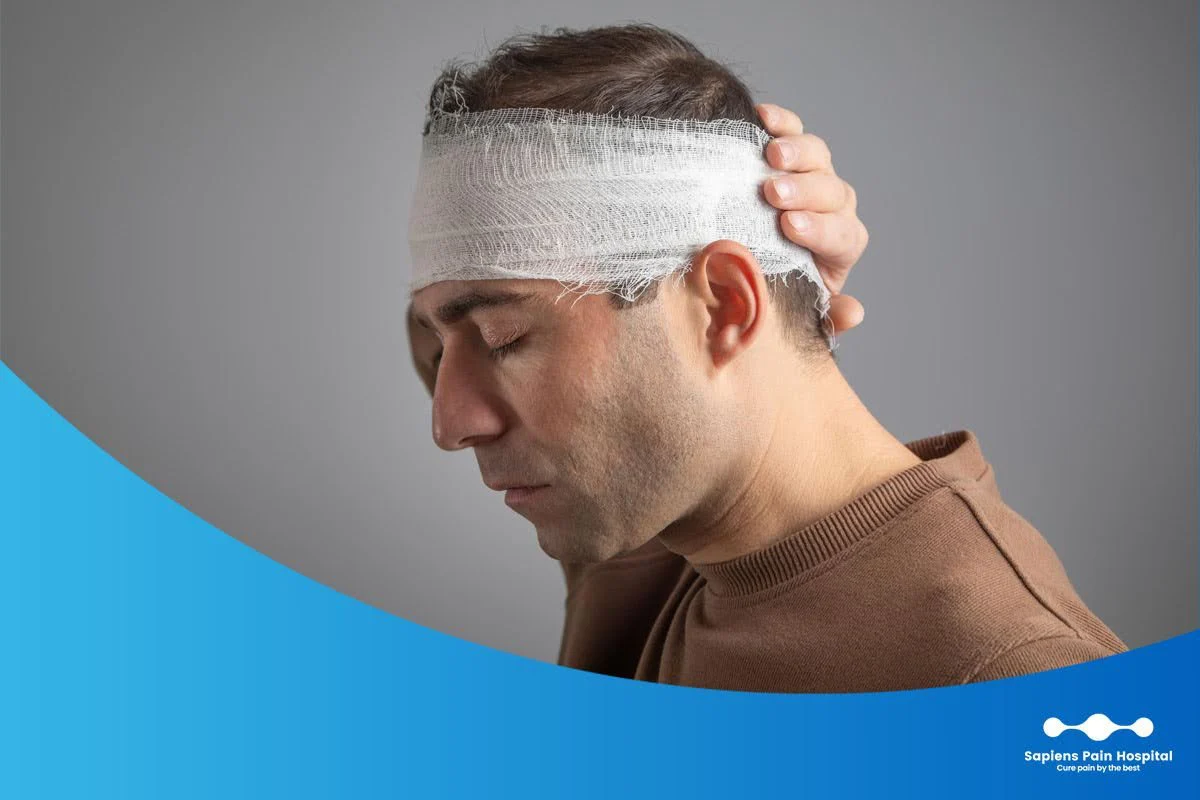
When a person falls and hits their head, the force of the impact may affect not only the head but also the cervical spine. Injuries can range from minor soft-tissue trauma to serious injuries involving the skull, brain, cervical vertebrae, nerves, or spinal cord.
Head Injuries
A blow to the head can cause several types of injury, ranging from superficial wounds to traumatic brain injury. Importantly, some complications, including intracranial bleeding, may not cause obvious symptoms immediately and can become apparent later. Symptoms should therefore be monitored carefully after a significant head injury, particularly in children, older adults, people taking anticoagulant or antiplatelet medication, and people with bleeding disorders.
- Scalp injury: Abrasions, cuts, or bleeding may occur at the site of impact.
- Scalp swelling or hematoma: A bump may develop because of swelling or bleeding beneath the scalp.
- Skull fracture: A sufficiently strong impact can cause a fracture or, in some cases, depression of the skull.
- Concussion: A type of mild traumatic brain injury that temporarily affects brain function. Symptoms may include headache, dizziness, confusion, memory problems, nausea, sensitivity to light or noise, and sometimes brief loss of consciousness. Loss of consciousness is not required for a concussion to occur.
- Brain contusion: Direct trauma can cause bruising of brain tissue and may require medical evaluation depending on the severity of the injury.
- Intracranial bleeding: Bleeding can occur within the brain or between the brain and its surrounding membranes. Accumulating blood can increase pressure within the skull and may become life-threatening, requiring urgent medical care.
Neck Injuries
- Muscle strain: Muscles and other soft tissues around the neck may be injured, causing pain, stiffness, tenderness, and discomfort with movement.
- Ligament sprain: Ligaments supporting the cervical joints may be overstretched or torn during an accident.
- Cervical disc injury: Trauma may injure an intervertebral disc or aggravate a pre-existing disc problem. If a nerve root becomes irritated or compressed, pain may radiate into the shoulder or arm and may be accompanied by numbness, tingling, or weakness.
- Cervical fracture or dislocation: These are potentially serious injuries. If the spinal cord or nerve structures are affected, symptoms may include numbness, weakness, loss of coordination, or paralysis. Suspected cervical spine injury requires urgent medical assessment and careful handling.
What Should You Do After Falling and Hitting Your Head?
After a fall involving a blow to the head, appropriate first aid is important even when there is no obvious external injury. If significant head or neck trauma is suspected, unnecessary movement should be minimized and emergency medical assistance should be sought. The following steps can be used as general first-aid guidance while waiting for professional assessment.
1. Check responsiveness and breathing: If the injured person is unresponsive, check whether they are breathing normally and call emergency medical services. If they are not breathing normally, begin CPR if you are trained, or follow instructions from the emergency dispatcher. For an unresponsive adult, a lay rescuer does not need to delay CPR to check for a pulse.
2. Minimize unnecessary movement: If a cervical spine injury is suspected, encourage the person to remain still and avoid twisting or bending the neck. Do not attempt to straighten the neck or move the person unnecessarily. If there is an immediate danger that makes movement essential, follow emergency-service instructions whenever possible while trying to keep the head, neck, and torso aligned.
3. Care for wounds: Minor superficial wounds can be cleaned with clean water or saline. For bleeding, gentle pressure with clean gauze or cloth may be appropriate. However, if a skull fracture is suspected, there is a depressed area of the skull, or an object is embedded in the wound, do not apply strong direct pressure over the injured area and seek emergency medical care.
4. Manage minor swelling: A cold pack wrapped in cloth may be applied to a superficial bump for short periods, such as approximately 15-20 minutes at a time, to help with pain and swelling. Do not allow ice to contact the skin directly. A head injury should not be considered minor solely because swelling improves with a cold pack.
5. Monitor for changing symptoms: Some symptoms of concussion or intracranial injury may appear or worsen after the initial accident. Watch for worsening headache, repeated vomiting, increasing drowsiness, confusion, weakness, seizures, abnormal behavior, or other neurological changes, and seek urgent medical attention if they occur.
6. Have someone monitor the injured person: After a head injury that does not initially require emergency admission, it is helpful to have a responsible adult stay with the person during the early recovery period and monitor for deterioration. Follow the discharge and observation instructions provided by a healthcare professional.
Warning Signs That Require Urgent Medical Attention
- Loss of consciousness, difficulty waking, or failure to regain normal consciousness.
- Increasing drowsiness, confusion, unusual behavior, memory problems, or significant changes in alertness.
- Seizures or uncontrolled jerking movements.
- Severe or progressively worsening headache.
- Repeated vomiting.
- New visual problems, such as double vision, blurred vision, or sudden deterioration in vision.
- Clear fluid or blood leaking from the nose or ears after the injury.
- New numbness, tingling, or weakness of the face, arms, or legs.
- Difficulty speaking, slurred speech, or unusual confusion.
- Difficulty walking, maintaining balance, or coordinating movements.
- Marked behavioral changes, unusual agitation, or increasing lethargy.
- A deep head wound, suspected skull fracture, or visible depression of the skull.
- Bruising behind the ears or around the eyes that is not explained by direct impact.
- Severe neck pain, marked tenderness over the cervical spine, inability to move the neck normally after trauma, or neurological symptoms following the injury. A high-energy mechanism such as a significant fall, road traffic collision, or high-speed impact also warrants a lower threshold for medical assessment, even if symptoms initially appear mild.
Conclusion
Children and older adults are among the groups in whom falls deserve particular attention. Young children may not be able to clearly describe headache, dizziness, confusion, or other symptoms, so changes in behavior, activity, feeding, sleep, balance, or alertness should be observed carefully after a head injury. Medical assessment should be considered when the impact is significant or when there is uncertainty about the child’s condition. Older adults may have a higher risk of serious injury after a fall, particularly when they have osteoporosis, other medical conditions, or take anticoagulant or antiplatelet medication. Prevention is therefore important. A safer home environment, appropriate physical activity, management of vision and medications, and suitable protective equipment during higher-risk activities can help reduce the risk of falls and related injuries.