
Hepatitis: A Silent Threat to the Liver — Causes, Symptoms, and Screening
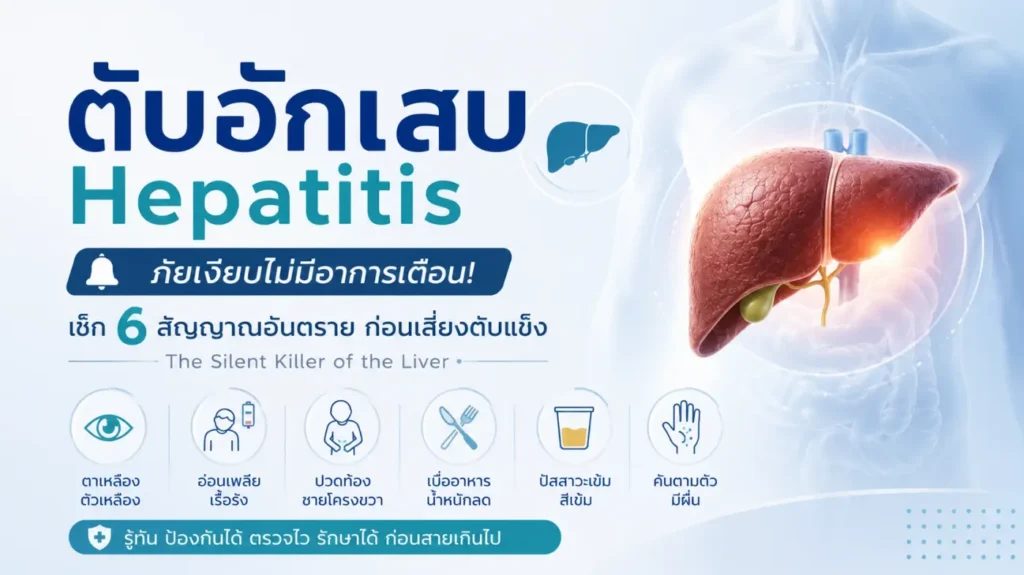
The liver is the largest internal organ in the body and performs more than 500 vital functions, including filtering toxins, producing bile, and storing energy. However, hepatitis can silently damage the liver because it may cause no noticeable symptoms in its early stages. If left untreated, some forms of hepatitis can progress to cirrhosis, liver failure, or liver cancer.
What is hepatitis?
Hepatitis is inflammation of the liver that can damage liver cells and impair liver function. Depending on the cause and severity, untreated hepatitis may progress to cirrhosis, liver failure, or liver cancer.
Many people may have no symptoms during the early stages. Regular health checkups and liver-related screening are therefore important, particularly for people with risk factors.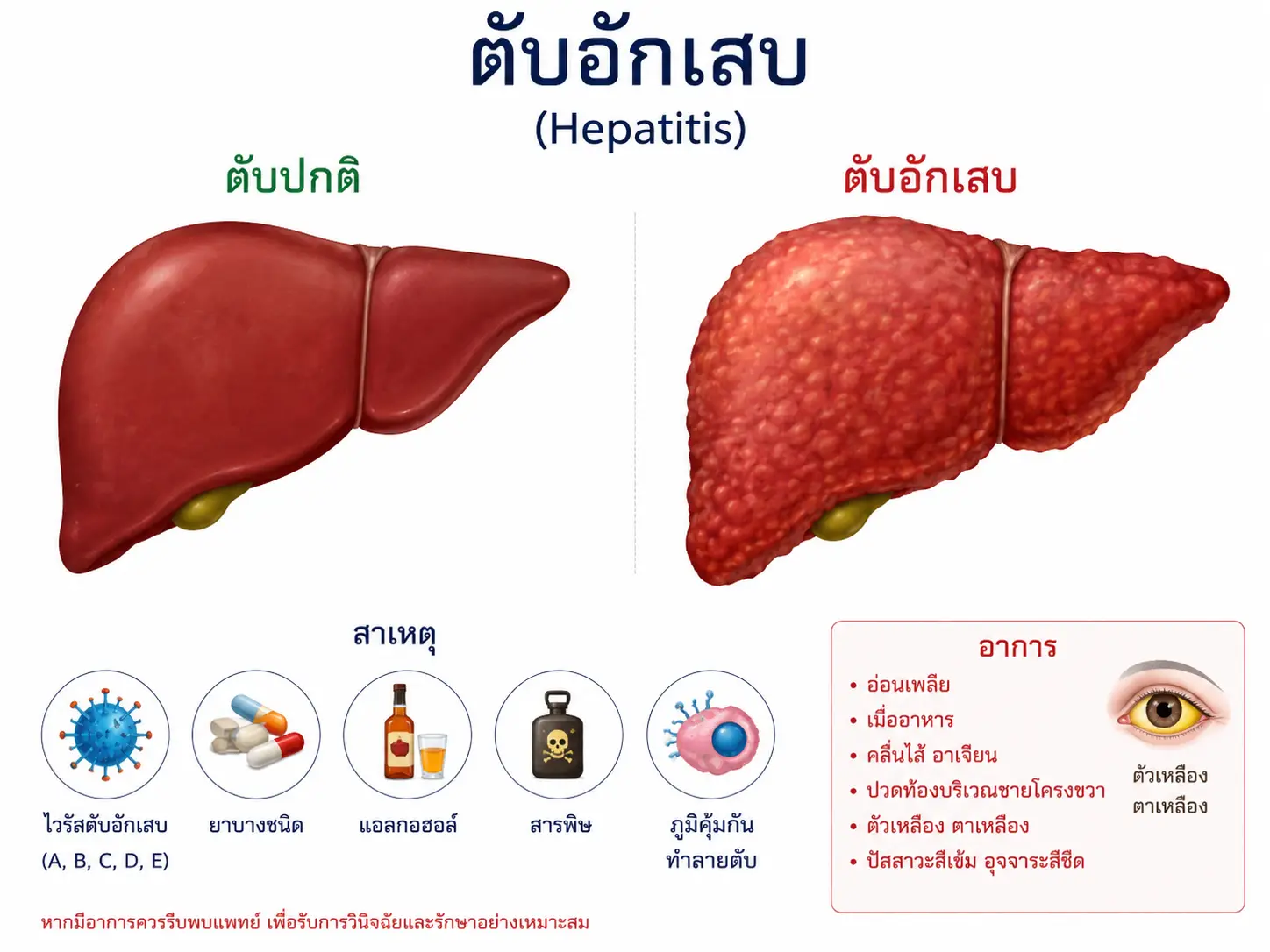
1. What Causes Hepatitis?
Hepatitis occurs when liver cells become inflamed or damaged. The main causes can be divided into 2 groups:
1.1 Viral Hepatitis
Viral infection is an important cause of hepatitis. There are five major types, each with different routes of transmission:
| Type | Route of Transmission | Severity / Risk of Chronic Infection |
| Hepatitis A Virus (HAV) | Consumption of contaminated food or water | Usually causes acute hepatitis and does not become chronic |
| Hepatitis B Virus (HBV) | Blood, sexual contact, and mother-to-child transmission during childbirth | Can become chronic and increase the risk of cirrhosis and liver cancer |
| Hepatitis C Virus (HCV) | Primarily blood exposure, such as sharing needles or receiving unscreened blood products in the past; sexual transmission can also occur | Frequently becomes chronic if untreated |
| Hepatitis D Virus (HDV) | Blood and sexual contact; infection occurs only in people who also have HBV | Can make hepatitis B more severe |
| Hepatitis E Virus (HEV) | Contaminated food or water, including some undercooked foods | Usually acute, but may be particularly serious during pregnancy |
1.2 Other Non-Viral Causes of Hepatitis
- Lifestyle-related causes: Excessive alcohol consumption can cause alcohol-associated hepatitis, while metabolic conditions such as obesity and diabetes can contribute to steatohepatitis associated with fatty liver disease.
- Medications and chemicals: Drug overdose, such as excessive paracetamol/acetaminophen, as well as certain herbal products, supplements, medications, or toxic substances may cause liver injury.
- Immune system disorders: Autoimmune Hepatitis occurs when the immune system mistakenly attacks liver cells.
2. Warning Signs: Symptoms of Hepatitis
Many patients may have no symptoms in the early stages. However, when acute inflammation becomes more pronounced or liver function is affected, symptoms may include:
- Low-grade fever, fatigue, or unusual tiredness
- Loss of appetite, nausea, or vomiting
- Discomfort or pain beneath the right rib cage, where the liver is located
- Dark urine, sometimes described as tea-colored
- Yellowing of the skin or eyes (jaundice)
- Pale or light-colored stools
⚠️ Important: In chronic hepatitis — particularly hepatitis B or C — a person may have no symptoms for many years. Symptoms may not appear until significant liver damage or cirrhosis develops. Signs of advanced liver disease can include abdominal swelling from fluid accumulation (ascites), leg swelling, or vomiting blood and require prompt medical evaluation.
3. Treatment of Hepatitis
Treatment depends on the cause and severity of the condition. A physician will assess each patient and recommend an individualized treatment plan:
- Acute hepatitis (such as many cases of hepatitis A or E): Treatment is generally supportive and may include adequate rest, appropriate nutrition, hydration when needed, and avoidance of alcohol and unnecessary medications that may further affect the liver.
- Chronic hepatitis (such as hepatitis B or C): Effective antiviral treatments are available. Current direct-acting antiviral therapies can cure most hepatitis C infections, while antiviral treatment for chronic hepatitis B can suppress the virus and reduce the risk of disease progression and liver complications in appropriately selected patients.
- Hepatitis related to lifestyle or metabolic factors: Management may include reducing or avoiding alcohol, weight management, appropriate nutrition and exercise, and controlling underlying conditions such as diabetes or high cholesterol.
4. Screening: Detect Liver Problems Early
Because some forms of hepatitis may cause no symptoms in the early stages, screening is particularly important for people with risk factors. In Thailand, people born before widespread universal newborn hepatitis B vaccination was implemented may also benefit from discussing hepatitis B screening and vaccination status with a healthcare professional.
Common screening and diagnostic tests may include:
- Liver blood tests / Liver Function Tests (LFTs): Tests such as AST (SGOT) and ALT (SGPT) can help identify liver-cell injury or inflammation. Abnormal values require interpretation together with other clinical information.
- Viral hepatitis testing: Blood tests may include hepatitis B surface antigen (HBsAg), hepatitis C antibody (Anti-HCV), and additional tests depending on the individual situation. Hepatitis B immunity can also be assessed when appropriate.
- Upper Abdominal Ultrasound: Used to evaluate liver structure and may help identify fatty liver, masses, or other abnormalities.
- Liver stiffness assessment (FibroScan): A non-invasive test that can help estimate liver fibrosis and assess liver fat.
Comprehensive liver health screening and care are available at Sapiens Hospital. Do not wait for jaundice or other obvious symptoms before seeking medical advice, as some liver conditions may already be advanced by the time symptoms become noticeable. Sapiens Hospital provides hepatitis screening and medical evaluation for liver conditions by physicians, with diagnostic testing selected according to each patient’s condition and risk factors.
Consult a physician for appropriate diagnosis or to discuss a liver health screening program.
Tel: 02-111-3703