
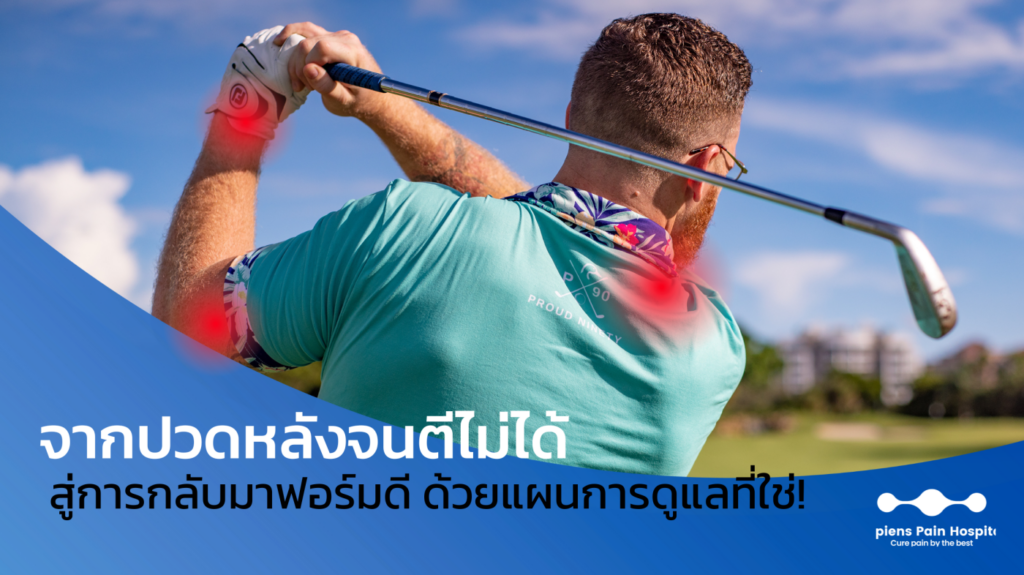
Golf Injuries and Appropriate Treatment Options
Common Injuries Among Golfers
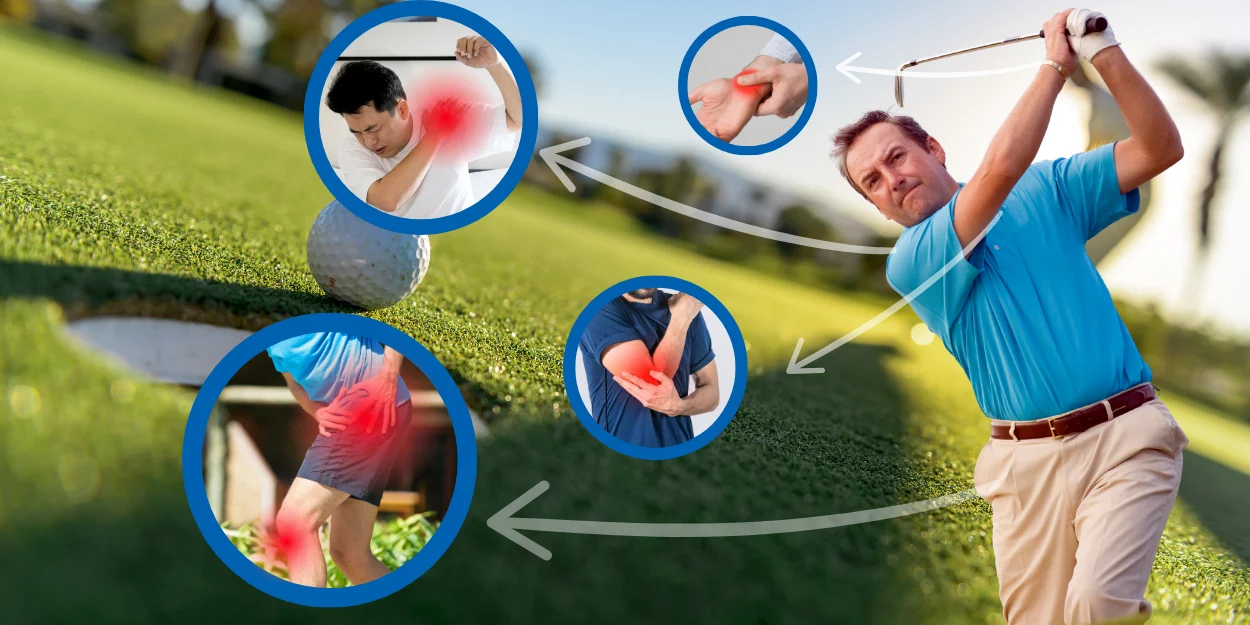
Golfers can develop injuries from repetitive movements and overuse, particularly during the golf swing, which involves complex coordination and force generation across multiple parts of the body. Commonly affected areas include:
– Lower Back (Lumbar Spine): Lower-back pain and injuries are among the most frequently reported musculoskeletal problems in both amateur and professional golfers.
– Elbow (Golfer’s Elbow): Medial epicondylitis can be associated with repetitive loading of the forearm muscles and tendons that attach around the inner elbow.
– Forearm/Wrist: Injuries may occur from repetitive loading, overuse, or impact with the ground during a golf swing.
– Shoulder: Repeated rotation and forceful arm movements may contribute to conditions such as shoulder impingement or rotator cuff injuries.
– Knee: Although knee problems may be less common than back or upper-limb injuries, rotational forces and weight transfer during the golf swing can contribute to pain or injury.
Risk Factors
Golf-related injuries may be associated with several factors, including:
– Excessive practice or playing volume without adequate recovery
– Improper or inefficient swing mechanics
– Repeatedly striking the ground during the golf swing
Treatment Options: General Approach
1. Non-Surgical Treatment
– Activity modification and early injury management: Rest or modification of aggravating activities and appropriate use of cold therapy may help manage symptoms during the early stage, depending on the type of injury.
– Physical Therapy: May include strengthening, flexibility exercises, movement retraining, and correction of biomechanics according to the individual golfer’s condition.
– Medication and Injection Therapy: Anti-inflammatory medication or selected injection treatments such as corticosteroid or PRP may be considered depending on the diagnosis and physician’s assessment.
– ESWT or Other Interventions: Extracorporeal Shock Wave Therapy (ESWT) or other appropriate treatments may be considered for selected chronic tendon or soft-tissue conditions.
2. Surgical Treatment
– Arthroscopic Release/Repair: May be considered for selected conditions such as rotator cuff tears, shoulder impingement, or certain persistent tendon and joint disorders when appropriate.
– Knee/Spine Surgery: Surgery may be considered when there is a clearly diagnosed structural problem, significant neurological compromise, instability, or another condition for which surgery is clinically indicated, particularly when appropriate non-surgical treatment has not provided sufficient improvement.
Treatment Approach at Sapiens Hospital
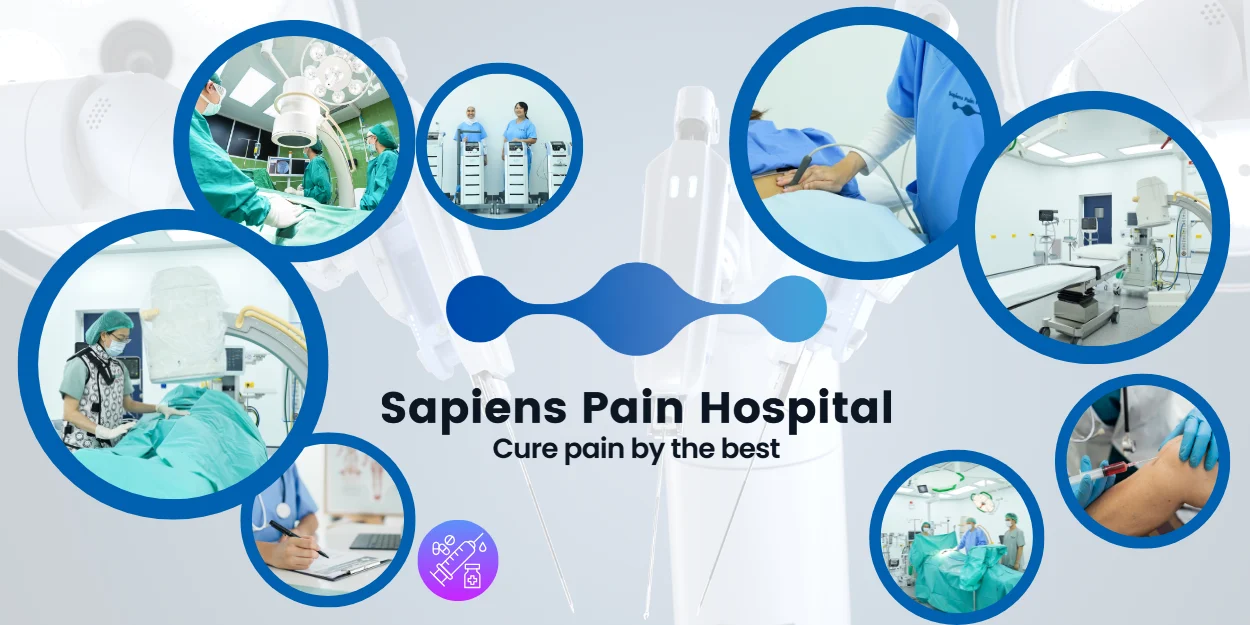
At Sapiens Hospital, care is based on a comprehensive biopsychosocial approach:
> Comprehensive Assessment of physical condition, pain-related factors, sports technique, activity demands, and previous injuries.
> Non-Surgical Treatment First:
– Individualized physical therapy programs
– Targeted injections such as corticosteroid or PRP, when clinically appropriate
– Physical-therapy modalities such as Ultrasound, Electrotherapy, or ESWT when indicated
> Minimally Invasive / Arthroscopic Surgery:
– May be considered for selected conditions such as rotator cuff tears, shoulder impingement, or other injuries with appropriate surgical indications
– Arthroscopic techniques may be combined with structured postoperative care and rehabilitation
> Rehabilitation and Injury Prevention:
– Neuromuscular control training
– Golf-specific strength, mobility, and flexibility programs
– Ongoing follow-up and individualized adjustment of the long-term rehabilitation plan
Golfers may develop repetitive-use injuries involving the lower back, elbow, wrist, and shoulder, with training load, biomechanics, and swing technique among the important contributing factors. Many golf-related injuries can be managed with an individualized non-surgical treatment and rehabilitation program. When a significant structural injury or another surgical indication is identified, minimally invasive or arthroscopic surgery may be considered as part of a comprehensive treatment plan, with the goal of restoring function and supporting a safe return to golf.