Understanding the Pain Doctor
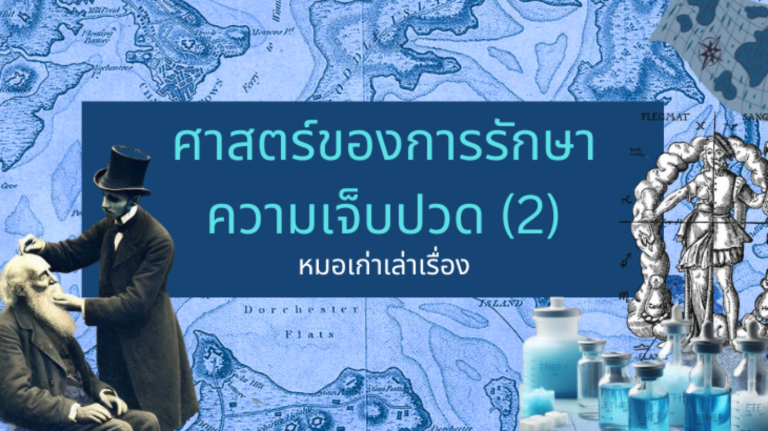
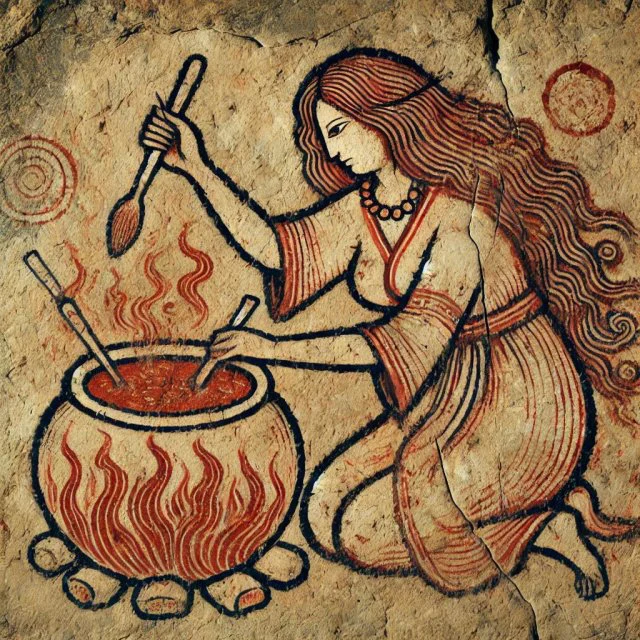
The story of Pain Doctors and healers in ancient times was often associated with shamans or traditional healers who used both rituals and herbal remedies. At that time, pain was sometimes believed to be a punishment from gods or caused by evil spirits.
In reality, pain is a signal generated by our own body. Human life has always been accompanied by pain, whether from heat, burning sensations on the skin or eyes, sharp injuries, wounds, impacts that cause swelling or bruising, or internal pain such as abdominal pain and headaches. Some serious diseases, including certain cancers, may cause few or no obvious painful symptoms in their early stages and may only become symptomatic when the disease has progressed. Pain therefore serves two important roles: it teaches us to avoid potentially harmful situations and acts as a warning signal that something in the body may be abnormal. This is the story of the Pain Doctor, a physician who investigates the source of pain and seeks ways to relieve suffering.

The Revolutionary Era in the History of Pain Medicine
Pain occurring in any part of the body is processed through the nervous system and interpreted by the brain. Everyday pain that can be tolerated or easily avoided, such as staying away from a hot surface or allowing a minor wound to heal naturally, may not require specialist pain treatment.
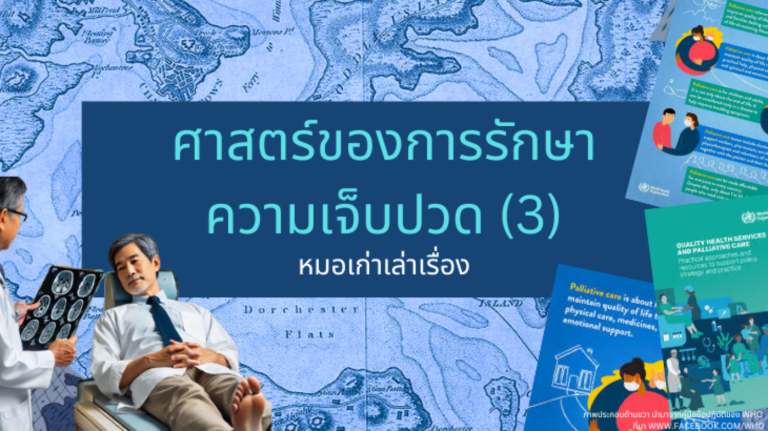
Pain that requires a Pain Doctor is often pain that causes significant suffering and interferes with daily life. When patients experience severe or radiating pain that makes movement and normal activities difficult, they may seek a specialist who can explain the underlying cause and provide techniques to reduce or control that pain. This concept gradually developed into the modern role of the Pain Doctor.
In earlier periods of medicine, preparations derived from opium were used to relieve pain. Later, medicines such as morphine and heroin became part of the historical development of pain treatment. These substances also raised major concerns about adverse effects, including dependence, addiction, hallucinations, and tolerance. The risks associated with these medicines became an important factor in the evolution of modern pain medicine.
The Modern Pain Doctor
The development of modern pain medicine increasingly focuses on reducing treatment-related adverse effects and evaluating the patient as a whole. This has contributed to the concept of Total Pain Treatment, or comprehensive pain management, because:
- Emotional distress and stress can influence and intensify physical pain.
- Individual psychological factors can affect how each person perceives, responds to, and copes with pain.
- The nervous system is highly complex and pain felt in one location may originate from another structure. For example, leg pain may actually originate from a spinal problem.
Pain is therefore highly individual. Although pain assessment tools can help evaluate severity, different patients may experience and tolerate the same condition differently. A Pain Doctor must carefully assess the cause, characteristics, and impact of the pain before selecting an individualized treatment plan.
Pain Care at Sapiens Hospital

Modern pain management at Sapiens Hospital, led by Dr. Nataya Udomsak, incorporates advanced technologies and techniques designed to reduce treatment-related side effects and avoid unnecessary surgery whenever possible. Treatment options may include targeted injections, radiofrequency procedures, and other minimally invasive pain interventions. When surgery is clinically necessary, minimally invasive approaches may be considered to support faster recovery and reduce tissue trauma.
Sapiens Hospital provides a range of pain management techniques together with individualized consultation and treatment planning by physicians experienced in pain medicine.
Frequently Asked Questions (FAQ)
1. What is a Pain Doctor?
A Pain Doctor is a physician who specializes in evaluating, diagnosing, and treating pain. Many pain specialists have backgrounds in anesthesiology because this field includes expertise in anesthesia, nerve blocks, and pain control, although physicians from other specialties may also pursue additional training in pain medicine.
2. What type of pain should be evaluated by a Pain Doctor?
Pain that is persistent, severe, recurrent, or significantly interferes with daily activities, sleep, movement, or quality of life may benefit from assessment by a Pain Doctor, particularly when the underlying cause is unclear or previous treatments have not provided adequate relief.
3. What is Total Pain Treatment?
Total Pain Treatment is a comprehensive approach that considers physical, psychological, social, and neurological factors contributing to pain rather than focusing only on the location where pain is felt.
4. How is modern pain treatment different from treatment in the past?
Earlier pain treatment relied heavily on medicines such as opium-derived drugs and opioids. Modern pain medicine uses a broader range of options, including medication, rehabilitation, nerve blocks, radiofrequency procedures, psychological support, and minimally invasive interventions, with the goal of improving pain control while reducing unnecessary risks and side effects.
5. Why do people experience pain differently?
Pain perception is influenced by many factors, including the nervous system, previous experiences, emotional state, sleep, stress, underlying disease, and individual biological differences. Pain Doctors therefore assess and treat each patient individually.