
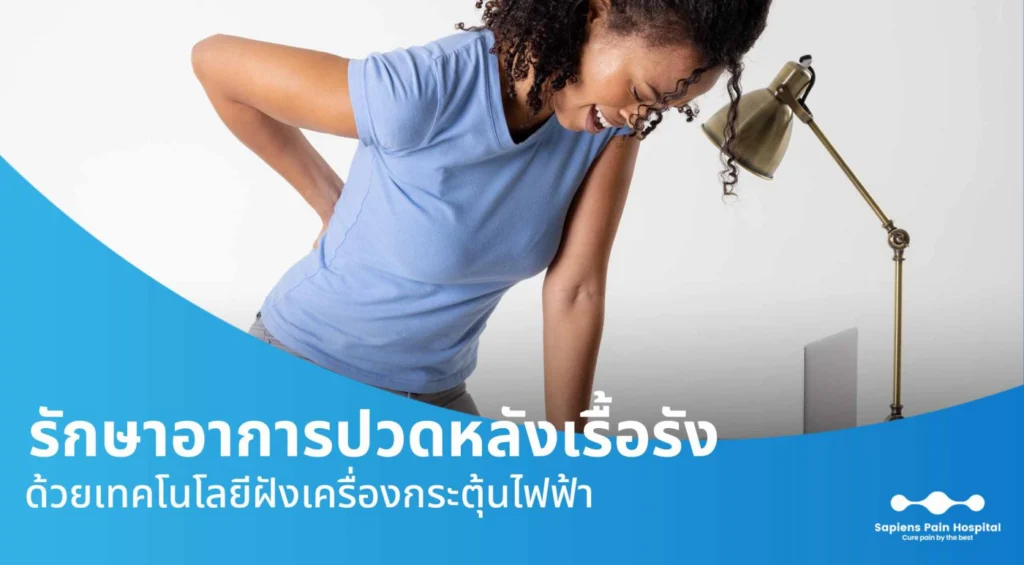
For people who have spent years working hard and are now living with chronic back pain, even simple daily activities can become difficult. Sitting down, standing up, walking, or turning the body may trigger pain and limit normal movement. One treatment option for selected patients with persistent chronic pain is Spinal Cord Stimulation (SCS), an implanted neuromodulation system that delivers mild electrical signals near the spinal cord to modify the transmission and perception of pain. SCS does not repair weakened muscles or cure every cause of back pain, but it may help appropriately selected patients manage certain types of chronic neuropathic pain when other treatments have not provided sufficient relief.
Understanding Chronic Back Pain
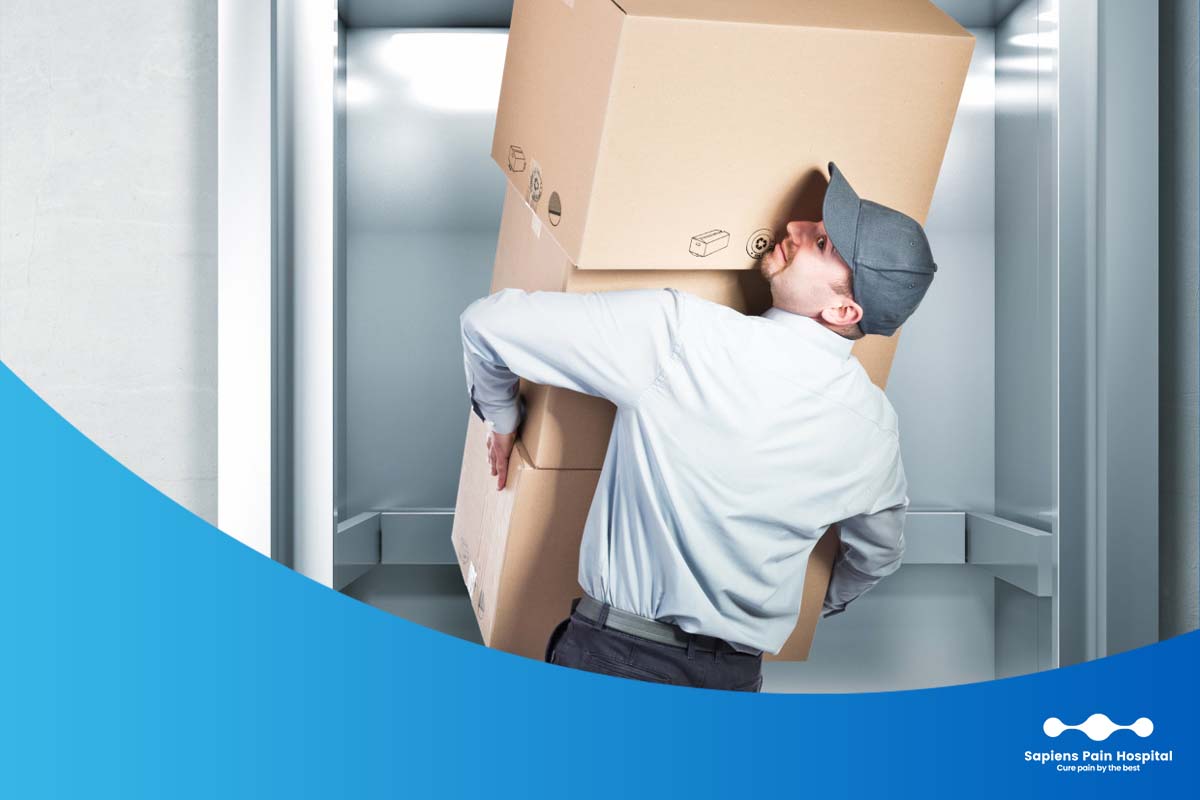
Chronic back pain generally refers to back pain that persists for more than 3 months. The severity and impact vary considerably between individuals. Some patients experience mild but persistent discomfort, while others may have pain that interferes significantly with work, sleep, mobility, exercise, and everyday activities. Chronic pain can involve structural, neurological, musculoskeletal, inflammatory, systemic, and psychosocial factors, and an accurate diagnosis is important before choosing treatment.
Common Causes of Chronic Back Pain
- Spinal conditions: such as disc herniation, degenerative spinal changes, or spinal stenosis.
- Muscle and soft-tissue conditions: including muscle strain, persistent muscle-related pain, or tendon and ligament problems. Repetitive loading or prolonged activities may contribute to symptoms in some patients.
- Injury or trauma: such as sports injuries, falls, traffic accidents, or injuries associated with lifting and other physical activities.
- Neurological conditions: such as nerve-root compression, nerve injury, or neuropathic pain.
- Systemic diseases: including osteoporosis-related fractures, inflammatory arthritis, infection, or cancer involving the spine.
- Psychological and social factors: stress, depression, anxiety, sleep disturbance, and other psychosocial factors can influence how chronic pain is experienced and may contribute to disability. This does not mean that the pain is simply psychological.
What Is Spinal Cord Stimulation (SCS)?
Spinal Cord Stimulation (SCS) is a form of neuromodulation used for selected patients with chronic pain, particularly certain types of neuropathic pain that have not responded adequately to other appropriate treatments such as medication, rehabilitation, or other interventions. The treatment involves placing small electrical leads in the epidural space near the spinal cord and connecting them to a pulse generator that delivers programmed electrical stimulation.
It is important to understand that SCS does not cure the underlying cause of every chronic pain condition. Its goal is to modify pain signaling, reduce pain to a more manageable level, and improve function and quality of life in appropriately selected patients. Some patients may experience better mobility, improved sleep, or reduced dependence on certain pain medications, but outcomes vary between individuals.
How Spinal Cord Stimulation Works
Spinal Cord Stimulation delivers programmed electrical impulses to neural structures near the spinal cord. Rather than simply “blocking” every pain signal, SCS modifies the way pain-related signals are processed within the nervous system. With some stimulation modes, patients may feel a mild tingling sensation called paresthesia, while newer stimulation patterns may provide treatment without noticeable tingling. Treatment is generally divided into two stages.
1. SCS Trial
Before a permanent device is implanted, many patients undergo a temporary SCS trial. The purpose is to determine whether stimulation provides meaningful improvement in pain, function, sleep, or other individually defined treatment goals. A successful trial is commonly judged by clinically meaningful benefit, often including substantial pain reduction, but the decision should not be based on a fixed percentage alone.
- Trial lead placement: A physician places one or more thin electrode leads into the epidural space using image guidance. The leads are connected to an external pulse generator during the trial period.
- During the procedure: Local anesthesia is commonly used and sedation may be provided depending on the technique, device, patient, and clinical circumstances. Modern SCS systems do not always require the patient to be awakened during placement. Procedure duration varies according to the technique and complexity.
- After the procedure: The stimulation settings are programmed according to the patient’s pain pattern and treatment goals. Patients may be asked to record pain levels, sleep, medication use, and activities during the trial. The lead insertion site should be kept clean and dry according to the clinical team’s instructions. Trial duration varies between centers and patients and is commonly several days.
2. Permanent SCS Implantation
If the trial provides meaningful benefit and the patient remains an appropriate candidate, the medical team may consider implantation of a permanent SCS system.
- Permanent implantation: The implanted system generally consists of electrical leads and an implantable pulse generator. The generator is typically placed under the skin, commonly in the buttock, flank, or abdominal region depending on anatomy, device type, and physician preference. The anesthesia technique and procedure time vary according to whether percutaneous or surgically placed leads are used and according to the individual patient.
- Postoperative care: During the early healing period, patients are commonly advised to limit certain movements such as excessive bending, twisting, stretching, or heavy lifting to reduce the risk of lead migration and allow the surgical wounds to heal. The exact restrictions and duration should follow the implanting team’s instructions.
Who May Be Considered for SCS?
SCS requires careful evaluation by a pain specialist or multidisciplinary team. The medical team considers the diagnosis, characteristics of the pain, previous treatments, neurological findings, imaging when appropriate, overall health, treatment goals, and psychological and social factors. A temporary SCS trial may also be used before permanent implantation. Conditions in which SCS may be considered in appropriately selected patients include:
- Persistent Spinal Pain Syndrome / persistent pain after spine surgery: formerly often called Failed Back Surgery Syndrome (FBSS). This describes persistent or recurrent pain after spinal surgery. SCS may be considered for selected patients, particularly when neuropathic leg or back pain persists and further surgery is not expected to address the underlying pain generator.
- Complex Regional Pain Syndrome (CRPS): a chronic pain disorder that usually affects an arm or leg and may develop after an injury or surgery. SCS can be considered in selected patients with persistent symptoms despite appropriate multidisciplinary treatment.
- Peripheral Neuropathic Pain: certain forms of chronic neuropathic pain caused by peripheral nerve dysfunction or injury may be considered for neuromodulation. Evidence and indications vary according to the specific condition. Some SCS systems have evidence and regulatory indications for painful diabetic neuropathy in selected patients.
- Ischemic Limb Pain: in carefully selected patients with severe chronic limb ischemic pain who are not candidates for revascularization, neuromodulation may sometimes be considered as part of specialist management. It does not replace vascular assessment or revascularization when those treatments are appropriate.
Precautions and Possible Complications After SCS Treatment
Following the medical team’s postoperative instructions is important after SCS implantation. Activity restrictions differ according to the lead type, implant location, surgical technique, and individual patient. Their purpose is to allow wound healing and reduce complications such as lead migration. Patients should follow the specific instructions provided by their implanting team.
- Arm movement: Activity restrictions depend on the location and type of implanted system. Patients should follow their surgeon’s instructions regarding overhead reaching or other movements during the early postoperative period.
- Trunk movement: Excessive bending, twisting, stretching, or sudden movements may be restricted temporarily after implantation, particularly while the leads and surgical sites are healing.
- Lifting: Rather than using the same weight limit for every patient, lifting restrictions should follow the implanting physician’s instructions. Heavy lifting is commonly restricted during the early healing period because excessive movement may increase the risk of lead displacement.
- Sitting: If the pulse generator is implanted near the buttock or flank, prolonged pressure over the incision or device pocket may be uncomfortable during early recovery. Changing position regularly and following postoperative guidance can help.
Conclusion
SCS can be an effective pain-management option for appropriately selected patients, but it is an implanted medical device and therefore carries potential risks. Complications can include infection, bleeding, pain at the implant site, lead migration or breakage, device malfunction, unwanted stimulation, neurological injury, and the need for device revision or removal. Some patients may obtain limited or no meaningful pain relief even after implantation. Patients should therefore undergo careful evaluation, understand the expected benefits and limitations, and receive treatment from a qualified medical team experienced in neuromodulation. They should also understand device-specific precautions, including considerations related to MRI examinations and other medical procedures.