
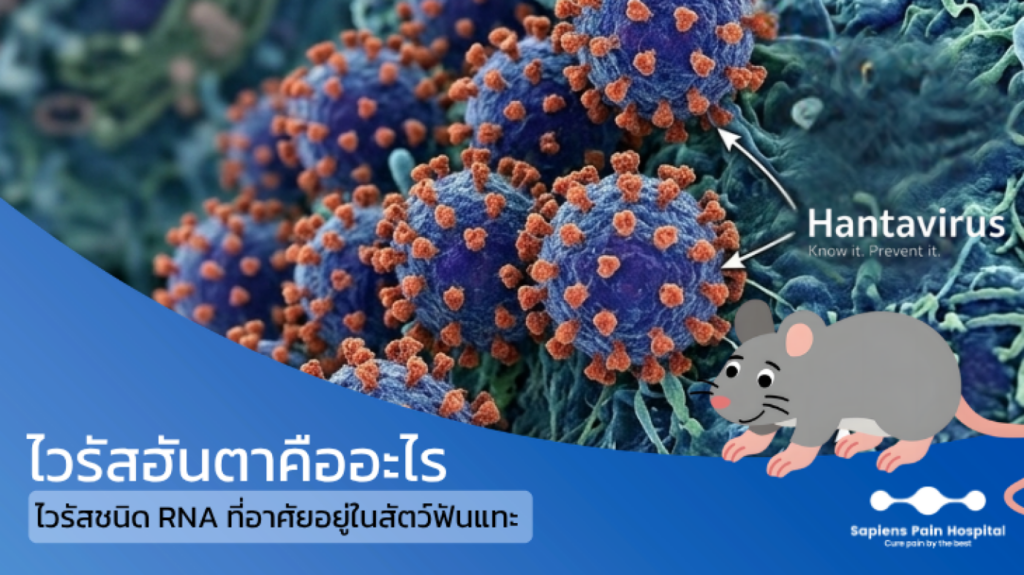
Hantavirus: Know the Facts, Prevent Infection, and Don’t Panic
In 2026, international attention focused on an outbreak of Hantavirus linked to the expedition cruise ship M/V Hondius. The outbreak involved Andes virus (ANDV), a type of hantavirus found in South America. According to the World Health Organization (WHO), a total of 13 cases, including three deaths, were reported. The outbreak was subsequently contained, and WHO declared it over in July 2026 after all identified contacts completed follow-up without additional transmission.
Although hantavirus infection can cause serious illness, the risk to the general population is considered low. Understanding how the virus spreads and knowing how to reduce exposure are important steps in prevention. Sapiens Hospital has summarized the key information you should know below.
What Is Hantavirus?
Hantaviruses are a family of RNA viruses carried primarily by rodents, including certain species of rats and mice.
- Infected rodents may carry the virus without appearing sick and can shed it through urine, droppings, and saliva.
- For many hantavirus infections, treatment is primarily supportive. Availability of vaccines or specific antiviral treatments varies by virus and region, and there is currently no specific antiviral treatment or widely available vaccine for Andes virus infection.
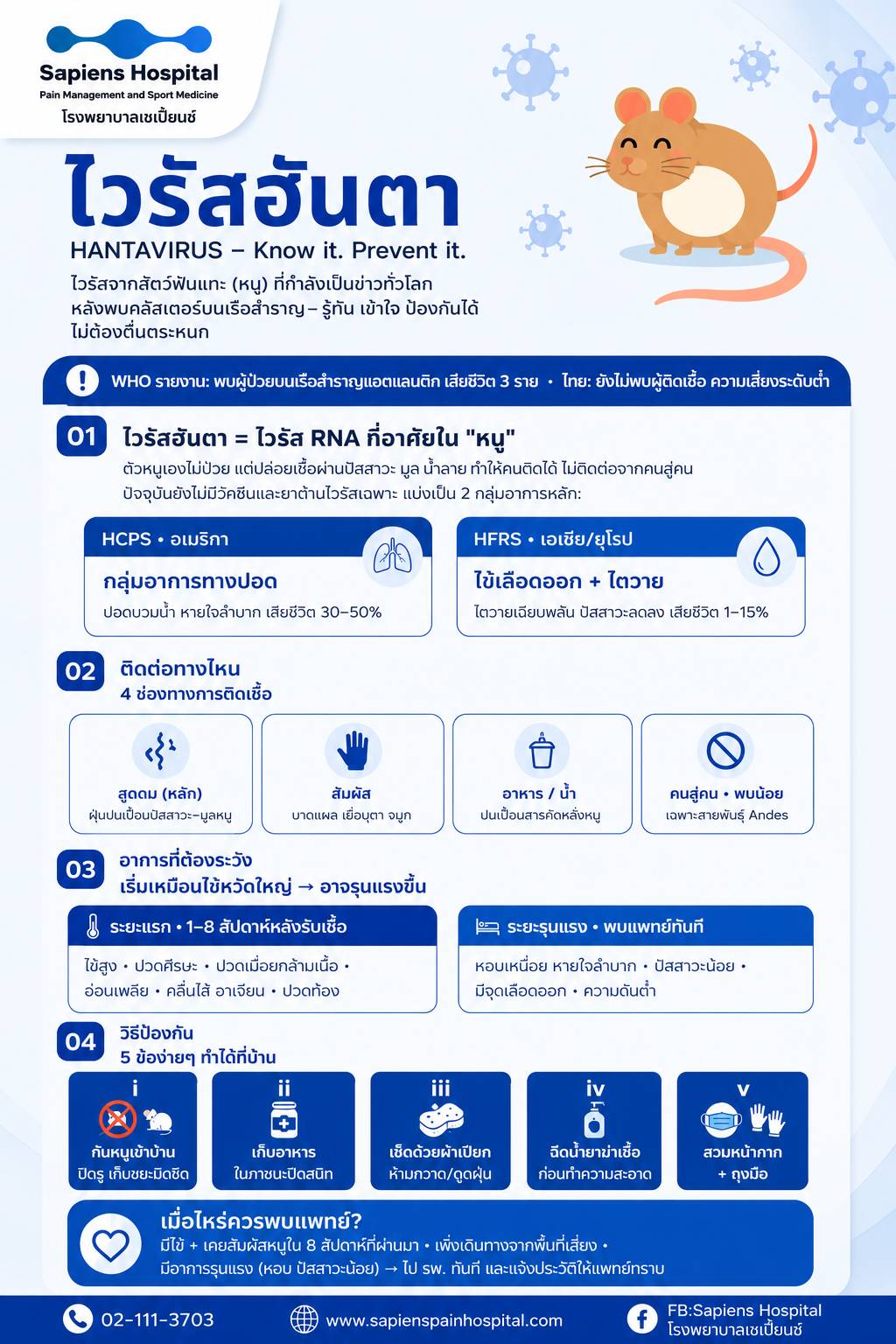
Hantavirus infections can cause different clinical syndromes depending on the virus and geographic region, including:
1. Hantavirus Pulmonary/Cardiopulmonary Syndrome (HPS/HCPS): Primarily associated with hantaviruses in the Americas. Severe cases can progress rapidly to pulmonary edema, breathing difficulty, shock, and respiratory failure.
2. Hemorrhagic Fever with Renal Syndrome (HFRS): Primarily associated with hantaviruses in Europe and Asia. The disease can affect kidney function and, in severe cases, may cause bleeding, low blood pressure, or acute kidney injury.
How Can Hantavirus Spread?
The main routes of infection include:
- Breathing contaminated particles: The main route of infection is inhaling airborne particles contaminated with urine, droppings, saliva, or nesting material from infected rodents, particularly when contaminated material is disturbed.
- Direct contact: Infection may occur when contaminated material comes into contact with broken skin or the eyes, nose, or mouth.
- Contaminated food or surfaces: Exposure may occur through food, objects, or surfaces contaminated by infected rodents.
- Person-to-person transmission: This is unusual. Andes virus is the only hantavirus currently known to spread from person to person, typically through close contact with a symptomatic infected person.
Symptoms to Watch For: Early Symptoms May Resemble the Flu
Symptoms vary depending on the hantavirus involved. For Andes virus, symptoms may develop approximately 4–42 days after exposure and can progress rapidly in severe cases.
1. Early Stage
Symptoms may include fever, fatigue, muscle aches, headache, dizziness, chills, nausea, vomiting, diarrhea, or abdominal pain.
2. Severe Symptoms — Seek Medical Attention Immediately
Seek urgent medical care if symptoms progress, particularly if you develop:
- Shortness of breath or difficulty breathing
- Significantly reduced urine output
- Unusual bleeding or signs of bleeding
- Low blood pressure, dizziness, fainting, or signs of shock
5 Ways to Reduce Your Risk at Home
Reducing contact with rodents and safely cleaning areas contaminated by rodents are important preventive measures:
- Keep rodents out: Seal holes and gaps around the home and keep garbage properly covered.
- Store food safely: Keep food in tightly sealed containers and avoid leaving food where rodents can reach it.
- Do not sweep or vacuum rodent droppings: This can cause contaminated particles to become airborne. Wet contaminated areas thoroughly with an appropriate disinfectant before wiping them up.
- Disinfect before cleaning: Spray urine, droppings, and contaminated areas with an appropriate disinfectant, allow sufficient contact time according to the product instructions, and then wipe up the material.
- Use appropriate protective equipment: Wear rubber or plastic gloves when cleaning rodent-contaminated areas. Additional respiratory and protective equipment may be required for heavy rodent infestations.
When Should You See a Doctor?
If you develop fever or flu-like symptoms after possible exposure to rodents, rodent urine, droppings, saliva, or contaminated environments, inform your doctor about the exposure. For Andes virus, symptoms can appear up to approximately six weeks after exposure. Seek urgent medical attention if you develop difficulty breathing, significant reduction in urine output, fainting, or other rapidly worsening symptoms.
For More Information:
Tel: 02-111-3703
Website: www.sapienspainhospital.com
Facebook: Sapiens Hospital โรงพยาบาลเซเปี้ยนซ์