
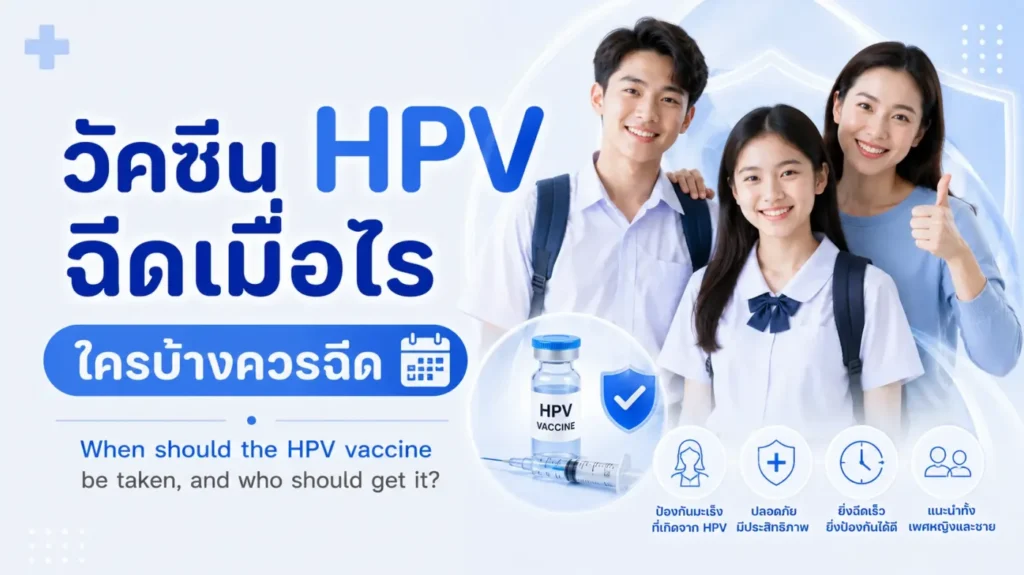
Why the HPV Vaccine Should Not Be Overlooked
When people hear about HPV, cervical cancer is often the first thing that comes to mind. While this is correct, it is only part of the picture. Human Papillomavirus, or HPV, is associated not only with cervical cancer but also with anal, vaginal, vulvar, penile, and oropharyngeal cancers. Some HPV types can also cause genital warts, which are not cancerous but may affect quality of life, cause anxiety, and require ongoing treatment.
According to the CDC, HPV vaccination can prevent more than 90% of cancers caused by HPV, particularly when vaccination is given before exposure to the virus and before the risk of sexually transmitted HPV infection begins.
It is important to understand that the HPV vaccine is designed to “prevent,” not “treat.” If a person already has an HPV infection, the vaccine cannot eliminate the existing infection or treat abnormal cells that have already developed. However, it may still help protect against other HPV types covered by the vaccine that the person has not previously acquired. The WHO clearly states that HPV vaccines are not used to treat existing HPV infection or HPV-related disease but to prevent future HPV-related disease and cancer.
What Is HPV and Why Is It Associated with Cancer?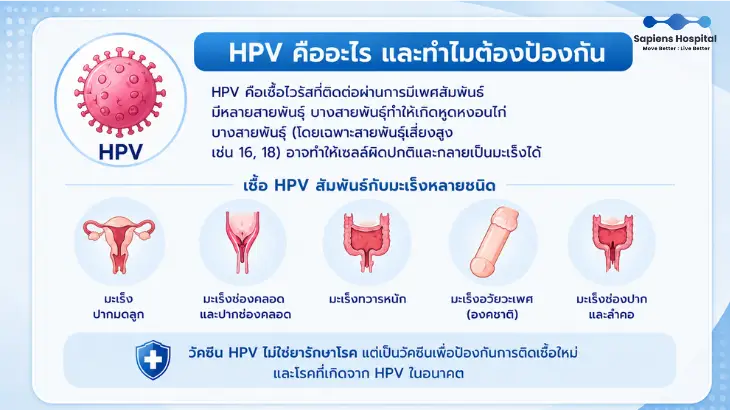
HPV is a very common virus with many different types. Some are considered low-risk types, including those commonly associated with genital warts, while others are classified as high-risk types. HPV 16 and HPV 18 are particularly important because they are associated with cervical cancer and several other HPV-related cancers.
Most HPV infections clear naturally through the body’s immune response without causing serious disease. Problems may occur when high-risk HPV persists for a long period. Persistent infection can gradually cause abnormal cellular changes in the cervix or other tissues, leading to precancerous lesions and potentially cancer if the abnormalities are not detected, monitored, and treated appropriately. The CDC notes that persistent HPV infection can lead to genital warts, precancerous lesions, and cancers of the cervix, anus, penis, vulva, vagina, and head and neck.
What Can the HPV Vaccine Prevent?
The HPV vaccine helps protect against important HPV types responsible for cancers and genital warts. The 9-valent HPV vaccine covers HPV types 6, 11, 16, 18, 31, 33, 45, 52, and 58. HPV 16 and 18 are major cancer-associated types, while HPV 6 and 11 are primarily associated with genital warts.
HPV vaccination is therefore not only for women. Men also benefit from protection against HPV-related diseases, including genital warts and cancers of the anus, penis, and oropharyngeal region. Vaccinating both girls and boys also helps reduce HPV transmission at the population level.
When Is the Best Time to Get the HPV Vaccine?
The best time to receive the HPV vaccine is before the first potential exposure to HPV because the vaccine works most effectively when the body has not previously been infected with the HPV types covered by the vaccine.
The CDC routinely recommends HPV vaccination for children aged 11–12 years, and vaccination can begin as early as age 9. At this age, the immune response to the vaccine is strong, and fewer doses are generally required than when vaccination is started at an older age.
ACOG provides similar guidance, noting that HPV vaccination is most effective when given in early adolescence before exposure to HPV through sexual activity, and healthcare professionals should clearly recommend vaccination to eligible patients.
How Many Doses Are Needed?
The number of doses depends on the age at which vaccination is started and the individual’s immune status.
If vaccination begins before age 15, a 2-dose series is generally used, with the second dose typically given approximately 6–12 months after the first. If the interval between doses is too short, an additional dose may be required according to vaccination guidelines and medical advice.
If vaccination begins at age 15 or older, or if the person is immunocompromised, a 3-dose series is generally used, typically at months 0, 1–2, and 6. The CDC recommends 3 doses for people who start the vaccination series at ages 15–26 and for immunocompromised individuals.
In some countries and under certain WHO recommendations, 1-dose or 2-dose schedules may be used for specific age groups and public health settings. The actual schedule should follow national recommendations, the vaccine product being used, and medical advice from the healthcare facility. The WHO 2022 position paper includes updated HPV vaccine schedules, including reduced-dose schedules for certain population groups.
Should Every Woman Receive the HPV Vaccine?
Women who fall within the recommended age groups should be strongly advised to receive HPV vaccination because high-risk HPV is a major cause of cervical cancer. Cervical cancer is highly preventable when appropriate HPV vaccination is combined with regular cervical cancer screening.
Girls and adolescents should receive vaccination during the recommended age period. Women through age 26 who have not been vaccinated or have not completed the series should receive catch-up vaccination according to CDC and ACIP recommendations.
For women aged 27–45, HPV vaccination is not routinely recommended for everyone but may be considered individually in consultation with a healthcare professional. This may be particularly relevant for people who have never been vaccinated, may have a new sexual partner in the future, or may be at risk of acquiring a new HPV infection. ACIP recommends shared clinical decision-making for adults aged 27–45 because the overall population-level benefit is smaller than vaccination during adolescence, although some individuals may still benefit.
Should Men Receive the HPV Vaccine?
Yes. Men should also receive HPV vaccination if they are within the recommended age group. HPV is not a disease that affects only women. Men can acquire and transmit HPV and develop HPV-related diseases, including genital warts and cancers of the anus, penis, and oropharyngeal region.
Vaccinating boys and adolescent males therefore benefits both the individual and the wider community by helping reduce HPV transmission. The CDC recommends HPV vaccination for all children at ages 11–12, with vaccination beginning as early as age 9.
If You Have Already Had Sex, Can You Still Get the HPV Vaccine?
Yes. Vaccination may still be appropriate if you are within the recommended age range or if your doctor determines that you may benefit.
A common misconception is that the vaccine provides no benefit once a person has become sexually active. Having had sexual intercourse does not necessarily mean that a person has been exposed to every HPV type covered by the vaccine. Vaccination may still protect against HPV types not previously acquired, although the overall benefit is generally greater when vaccination is given before the first potential exposure to HPV.
Another important point is that HPV testing is generally not required before vaccination. An HPV test reflects infection with certain HPV types at a particular time and anatomical site; it does not determine whether a person has previously encountered or developed immunity to every HPV type covered by the vaccine. For adults, the decision to vaccinate should consider age, vaccination history, future risk of HPV exposure, and discussion with a healthcare professional.
Can You Get the HPV Vaccine After Age 26?
Adults aged 27–45 may discuss vaccination with their doctor, but this does not mean that everyone in this age group needs to be vaccinated.
Many adults in this age group may already have been exposed to HPV, while people in a long-term, mutually monogamous relationship may have a relatively low likelihood of acquiring a new HPV infection. Therefore, the potential benefit varies considerably between individuals. ACIP recommends shared clinical decision-making rather than routine vaccination for everyone aged 27–45.
For adults older than 45, HPV vaccination is generally not included in standard routine recommendations and does not have the same broad indication as it does for younger age groups. Decisions should be discussed individually with a doctor and should follow the approved indications for the HPV vaccines available in that country.
Can You Receive the HPV Vaccine During Pregnancy?
HPV vaccination is generally not recommended during pregnancy. If a vaccination series has already been started and pregnancy is subsequently discovered, the remaining doses are usually postponed until after pregnancy. The vaccination series generally does not need to be restarted. If the vaccine was given before the person knew they were pregnant, there is no need to panic, but the healthcare professional providing pregnancy care should be informed.
ACOG states that HPV vaccination is not recommended during pregnancy, although available data have not identified major safety concerns when the vaccine is inadvertently administered during pregnancy. The vaccine is not a live-virus vaccine and cannot cause HPV infection.
Can You Receive the HPV Vaccine While Breastfeeding?
Breastfeeding is generally not considered a contraindication to HPV vaccination. However, a healthcare professional can assess overall health, vaccination history, and appropriate timing, particularly after recent delivery or in people with underlying conditions or other ongoing treatments.
After HPV Vaccination, Do You Still Need a Pap Smear or HPV Test?
Yes. HPV vaccination substantially reduces risk, but it does not protect against every HPV type, and some people may have been exposed to HPV before receiving the vaccine. Women who are eligible for cervical cancer screening should therefore continue to undergo Pap smear or HPV testing according to appropriate screening recommendations and medical advice.
This is an important point because the best approach to cervical cancer prevention is not choosing vaccination or screening alone. Vaccination and appropriate screening work together. HPV vaccination reduces the risk of infection at its source, while Pap smears and HPV tests help identify abnormal cervical cells or high-risk HPV infections that may still occur even after vaccination.
Is the HPV Vaccine Safe?
HPV vaccines have been used in many countries for many years and have extensive safety data. Common side effects are generally mild and may include pain, swelling, or redness at the injection site, fatigue, headache, or a low-grade fever. Some people may feel dizzy or faint after vaccination, so a short period of seated observation after receiving the vaccine is commonly recommended.
HPV vaccines do not contain live HPV virus or viral DNA and therefore cannot cause HPV infection or HPV-related cancer. The WHO states that HPV vaccines do not contain live virus or viral DNA and cannot cause cancer or HPV-related disease.
Who Should Consult a Doctor Before Vaccination?
People who have previously had a severe allergic reaction to a vaccine or vaccine component, are immunocompromised, are pregnant, or have a medical condition requiring immunosuppressive medication should consult a healthcare professional before vaccination so that an appropriate plan can be made.
People who have previously had HPV infection or an abnormal Pap smear should also consult their doctor because vaccination and follow-up of cervical abnormalities are separate issues. HPV vaccination cannot replace colposcopy, biopsy, or follow-up of cervical lesions previously recommended by a healthcare professional.
If You Miss a Dose or Are Late for a Dose, Do You Need to Start Again?
Generally, no. If an HPV vaccination series is incomplete or a scheduled dose is delayed, the entire series usually does not need to be restarted. The remaining dose or doses should be continued according to medical advice. A healthcare professional can review when the series was started, the person’s age at the first dose, and how many additional doses are required to complete the series.
What Is the Difference Between HPV Vaccination and Cervical Cancer Screening?
HPV vaccination is designed to prevent future infections with vaccine-covered HPV types, while Pap smears and HPV tests are screening tests used to detect current cervical abnormalities or risk.
A Pap smear examines cervical cells for abnormal changes. An HPV test detects high-risk HPV types associated with cervical cancer. The HPV vaccine trains the immune system to protect against HPV types covered by the vaccine if exposure occurs in the future.
Vaccination and screening therefore do not replace each other. They are complementary components of cervical cancer prevention and should be used according to age and individual risk.
Frequently Asked Questions
- At what age should the HPV vaccine be given?
The recommended routine age is 11–12 years, and vaccination can begin as early as age 9 according to CDC recommendations. People who have not previously been vaccinated can receive catch-up vaccination through age 26. For adults aged 27–45, vaccination should be considered individually in consultation with a healthcare professional. - Do men need the HPV vaccine?
Yes, if they are within the recommended age group. HPV can cause disease in men, including genital warts and cancers of the anus, penis, and oropharyngeal region. Vaccinating males also helps reduce HPV transmission overall. - Is the HPV vaccine still beneficial after becoming sexually active?
It may still be beneficial, particularly if the person has not previously acquired all HPV types covered by the vaccine. However, vaccination provides the greatest benefit when given before the first exposure to HPV. Individual age and risk should be discussed with a healthcare professional. - Do I need an HPV test before vaccination?
Generally, HPV testing is not required before vaccination. The vaccine does not treat an existing infection but can help prevent infection with vaccine-covered HPV types that have not previously been acquired. HPV testing is therefore not routinely used to determine whether a person should receive the vaccine. - After HPV vaccination, do I still need Pap smears?
Yes. Pap smears or HPV tests should still be performed according to age and screening recommendations because the vaccine does not cover every HPV type and does not treat abnormalities that developed before vaccination. - Can the HPV vaccine treat genital warts or an existing HPV infection?
No. HPV vaccination is used to prevent new infections and future HPV-related disease. It does not treat existing genital warts, existing HPV infection, or abnormal cervical cells that have already developed. - Can I get the HPV vaccine while pregnant?
HPV vaccination is generally not recommended during pregnancy. If the series has already been started and pregnancy is discovered, the remaining doses should usually be postponed until after pregnancy in consultation with a healthcare professional. In general, the entire series does not need to be restarted.
HPV vaccination is an important tool for preventing cervical cancer and other HPV-related diseases, particularly when given before the first exposure to HPV. The preferred age for routine vaccination is before adolescence. The CDC recommends vaccination at ages 11–12 and allows vaccination to begin at age 9. Catch-up vaccination is recommended through age 26 for people who have not been adequately vaccinated, while adults aged 27–45 may consider vaccination through shared clinical decision-making.
HPV vaccination is not only for women. Men should also receive vaccination when they are within the recommended age range because HPV is associated with diseases affecting both women and men.
Importantly, the HPV vaccine prevents new infections but does not treat existing HPV infection and does not replace cervical cancer screening. Women who are eligible for screening should continue to receive Pap smears or HPV tests according to appropriate recommendations.
Early vaccination, appropriate cervical cancer screening, and consistent follow-up of abnormal results provide the strongest approach to reducing the risk of HPV-related disease.
For information and appointments
Sapiens Hospital | Move Better : Live Better
Tel. 02-111-3703
References
Centers for Disease Control and Prevention. HPV Vaccination Recommendations. Updated 2024.
Meites E, Szilagyi PG, Chesson HW, et al. Human Papillomavirus Vaccination for Adults: Updated Recommendations of the Advisory Committee on Immunization Practices. MMWR Morbidity and Mortality Weekly Report. 2019.
World Health Organization. Human papillomavirus vaccines: WHO position paper. 2022.
American College of Obstetricians and Gynecologists. Human Papillomavirus Vaccination. ACOG Committee Opinion. 2020.
World Health Organization. Human papillomavirus and cancer. Updated 2024.
Centers for Disease Control and Prevention. Cancers Caused by HPV. Updated 2025.