
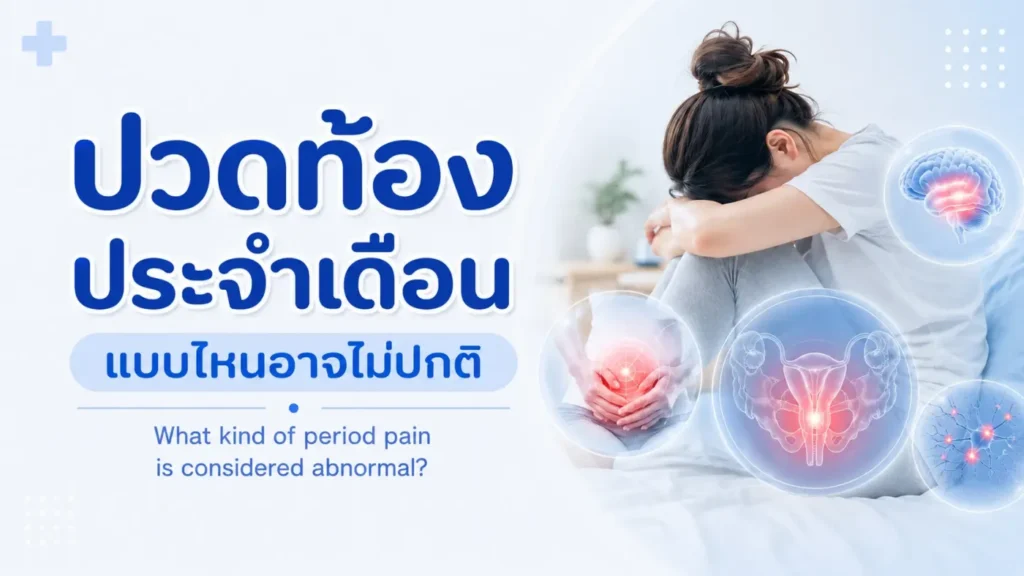
When Is Menstrual Pain Not Normal?
Menstrual pain is something many women are familiar with. Some experience mild cramping that is tolerable, some need pain medication, some have to rest for half a day, and others experience pain so severe that they cannot go to school or work. Because menstrual pain is so common, many women are told from adolescence that it is simply “a normal part of being a woman,” “it will get better after marriage or childbirth,” or “just endure it until your period ends.”
However, medically, not all menstrual pain is the same. Some cases are classified as “primary dysmenorrhea”, which is caused by uterine contractions and prostaglandins without an identifiable pelvic disease. It often begins during adolescence after menstruation starts and usually occurs shortly before or during the first days of menstruation. Another group is known as “secondary dysmenorrhea”, which results from an underlying disease or abnormality such as endometriosis, adenomyosis, uterine fibroids, endometrial polyps, pelvic adhesions, or pelvic infection.
This article can help distinguish menstrual pain that may be observed and managed initially from pain that should be medically evaluated to identify an underlying cause.
What Is Typical Menstrual Pain Like?
Common menstrual pain typically feels like cramping, aching, pressure, or spasms in the lower abdomen. The pain may radiate to the lower back or thighs. Symptoms often begin shortly before menstruation or during the first 1–2 days and gradually improve as menstrual bleeding decreases.
Some people may also experience nausea, diarrhea, headache, fatigue, or dizziness related to inflammatory mediators and hormonal changes during menstruation.
A review in American Family Physician reports that dysmenorrhea affects approximately 50–90% of adolescents and women of reproductive age and is an important cause of school or work absence. In primary dysmenorrhea, symptoms commonly begin during adolescence, recur with menstrual cycles, and often respond to NSAIDs or hormonal treatment when clinically indicated.
What Kind of Menstrual Pain May Be Abnormal?
Warning signs include pain that has “changed from your usual pattern” or has become “progressively more severe and disruptive to daily life.” You should consider seeing a doctor if you have any of the following:
1. Pain That Becomes More Severe Every Month
If your pain used to be mild but has progressively become more severe, requires increasing amounts of medication, causes you to miss work, or prevents normal daily activities, it may not be ordinary menstrual pain. This is particularly important if the pain becomes more severe with age or begins after years of relatively normal menstrual cycles.
2. Pain That Begins Several Days Before Menstruation or Continues After the Period Ends
Typical menstrual cramps are usually most prominent during the first 1–2 days of menstruation. Pain that begins several days before bleeding or continues after menstruation ends may be associated with pelvic conditions such as endometriosis or adenomyosis.
3. Pain Outside the Menstrual Period
Chronic lower abdominal or pelvic pain, recurrent pain throughout the month, or pain during urination, bowel movements, or certain activities should not automatically be considered ordinary menstrual pain.
4. Pain During Sexual Intercourse
Deep pelvic pain during intercourse, particularly when recurrent or progressively worsening, may be associated with endometriosis, pelvic adhesions, or other gynecological conditions.
5. Abnormally Heavy Menstrual Bleeding or Bleeding Between Periods
If menstrual pain occurs together with unusually heavy bleeding, large blood clots, prolonged menstruation, bleeding between periods, or bleeding after sexual intercourse, the underlying cause should be investigated. Possible causes include uterine fibroids, polyps, endometrial abnormalities, or hormonal disorders.
6. Abnormal Vaginal Discharge, Fever, or Pelvic Pain with Signs of Infection
Foul-smelling or unusually colored discharge, fever, pelvic tenderness, lower abdominal pain, or pain during sexual intercourse may be associated with pelvic inflammatory disease and should receive appropriate medical treatment rather than being allowed to become chronic.
7. Pain That Does Not Improve with Pain Medication
If pain does not improve despite appropriate use of pain medication, or improves only minimally, medical evaluation is appropriate to look for other causes. ACOG states that adolescents suspected of having primary dysmenorrhea who do not improve within 3–6 months of initial treatment should be evaluated for secondary causes, particularly endometriosis.
Important Causes of Abnormal Menstrual Pain
1. Endometriosis
Endometriosis is an important cause of severe menstrual pain. It occurs when tissue similar to the lining of the uterus develops outside the uterus, such as on the ovaries, pelvic lining, adhesions, or nearby organs. It can cause inflammation, chronic pain, adhesions, and in some people infertility. Symptoms may include:
- Severe menstrual pain
- Chronic pelvic pain
- Pain during sexual intercourse
- Pain during bowel movements or urination during menstruation
- Abnormal menstruation
- Infertility
The ESHRE 2022 guideline states that diagnosis and treatment of endometriosis should consider symptoms, medical history, physical examination, imaging, and response to treatment. Laparoscopic surgery is not necessarily required in every patient before appropriate treatment can begin.
2. Adenomyosis
Adenomyosis occurs when endometrial-type tissue grows into the muscular wall of the uterus. It is often diagnosed in women aged approximately 35–50 but can occur at other ages. Common symptoms include severe menstrual pain, heavy menstrual bleeding, an enlarged uterus, or chronic pelvic pain. If menstrual pain becomes progressively worse and is accompanied by heavy bleeding, evaluation of the uterus with ultrasound or other imaging may be appropriate.
3. Uterine Fibroids or Myoma / Leiomyoma
Uterine fibroids can worsen menstrual pain, particularly when a fibroid is located near the uterine cavity or affects uterine contractions. Symptoms may include heavy menstruation, blood clots, pelvic pressure, frequent urination, or abdominal fullness.
4. Pelvic Inflammatory Disease
Pelvic inflammatory disease can cause lower abdominal pain, pain during intercourse, abnormal vaginal discharge, fever, or abnormal bleeding. If untreated, it may lead to pelvic adhesions, chronic pelvic pain, or infertility.
5. Ovarian Cysts or Certain Ovarian Conditions
Certain ovarian cysts, such as an endometrioma associated with endometriosis, can cause severe menstrual pain, chronic pelvic pain, or pain predominantly on one side. If an ovarian cyst ruptures or the ovary twists, severe acute pain may occur and urgent medical attention is required.
Emergency Symptoms That Should Not Be Ignored
You should go to a hospital immediately if you experience any of the following:
- Sudden severe lower abdominal or pelvic pain
- Unusually severe pain on one side
- Dizziness, fainting, palpitations, or marked paleness
- High fever or chills
- Severe nausea or vomiting
- A missed period or possible pregnancy together with abdominal pain or vaginal bleeding
- Unusually heavy vaginal bleeding
- Abdominal pain with a rigid abdomen, severe tenderness, or appearing seriously unwell
These symptoms may not be ordinary menstrual pain. They may indicate an emergency such as ectopic pregnancy, a ruptured ovarian cyst, ovarian torsion, severe infection, or significant bleeding.
What Will the Doctor Check?
The evaluation depends on age, symptoms, sexual history, severity, and individual risk factors.
1. Detailed Medical History
The doctor may ask when the pain first began, how it relates to the menstrual cycle, how many days it lasts, which medications have been tried and whether they help, and whether there is abnormal bleeding, abnormal vaginal discharge, pain during sexual intercourse, pain during bowel movements, or difficulty becoming pregnant. Keeping a record of menstrual cycles and pain scores can be useful—for example, how many days pain lasts, how much pain medication is needed, and whether school or work is missed.
2. Physical Examination and Pelvic Examination
When appropriate, the doctor may perform a pelvic examination to assess uterine size, pelvic masses, areas of tenderness, infection, or cervical abnormalities. For adolescents or people who have never been sexually active, the doctor will choose an appropriate examination method while respecting the patient’s comfort and privacy.
3. Pregnancy Test
For people of reproductive age who have pelvic pain or abnormal bleeding, pregnancy testing is important because it helps identify urgent conditions such as ectopic pregnancy.
4. Pelvic Ultrasound
Ultrasound can evaluate the uterus, endometrium, uterine fibroids, ovarian cysts, endometriomas, and other pelvic abnormalities. It is commonly used because it provides useful information without radiation exposure.
5. Testing for Sexually Transmitted Infections in Selected Patients
If there is abnormal discharge, pain during intercourse, pelvic pain, or relevant risk factors, the doctor may test for infections such as chlamydia, gonorrhea, or other infections as appropriate.
6. MRI or Other Specialized Tests in Selected Cases
If deep endometriosis, adenomyosis, or a pelvic mass that is unclear on ultrasound is suspected, or if complex treatment planning is required, MRI may be considered.
7. Diagnostic and Therapeutic Laparoscopy
In selected cases with suspected endometriosis, severe symptoms, or symptoms that do not respond to treatment, laparoscopic surgery may be considered for diagnosis and treatment at the same time. However, current guidelines generally do not require laparoscopy in every patient before treatment begins.
How Is Menstrual Pain Treated?
Treatment depends on whether the condition is primary dysmenorrhea or whether an underlying disease is present.
1. NSAID Pain Relievers
NSAIDs such as ibuprofen or naproxen are commonly used for primary dysmenorrhea because they reduce prostaglandins involved in uterine contractions. They often work best when started at the onset of symptoms or shortly before menstruation in people with predictable cycles. However, caution is needed in people with stomach disease, kidney disease, those taking anticoagulants, or those with other contraindications.
2. Hormonal Treatment
Hormonal treatments such as combined hormonal contraceptives, progestin therapy, or hormone-releasing intrauterine devices may reduce menstrual pain and bleeding in selected patients, particularly those with suspected endometriosis or recurrent symptoms. ESHRE guidelines include hormonal therapy as an important option for reducing endometriosis-related pain.
3. Heat and Self-Care
Applying warmth, gentle exercise, adequate rest, stress reduction, and good sleep may help relieve symptoms in some people, particularly those with primary dysmenorrhea. However, severe pain or warning signs should not be managed with self-care alone instead of medical evaluation.
4. Treating the Underlying Cause
If endometriosis, adenomyosis, uterine fibroids, infection, or an ovarian condition is identified, treatment varies depending on the cause and may include hormonal medication, antibiotics, procedures, or surgery in selected cases. The goal is not only to relieve pain during the current cycle but also to reduce recurrence and limit effects on quality of life or fertility.
You Should Not Have to Accept Severe Pain as a Normal Part of Life
Many women endure menstrual pain for years because they believe it is normal. But if the pain causes you to miss school or work, leaves you curled up in bed, does not improve despite medication, or makes you fear every menstrual period, it should not be ignored. NICE 2024 emphasizes greater awareness and earlier diagnosis of endometriosis because chronic menstrual or pelvic pain may be overlooked for years before patients receive an appropriate diagnosis and treatment.
Frequently Asked Questions
1. How Severe Does Menstrual Pain Have to Be Before It Is Considered Abnormal?
If the pain forces you to miss school or work, does not improve with medication, becomes progressively worse, occurs outside menstruation, or is accompanied by abnormal bleeding, medical evaluation is appropriate.
2. Is Having Menstrual Pain Every Month Normal?
Mild to moderate pain during the early days of menstruation is common. However, severe pain or pain that interferes with daily life should not automatically be considered normal. Evaluation for secondary dysmenorrhea may be appropriate.
3. What Is Endometriosis?
Endometriosis is a condition in which tissue similar to the uterine lining grows outside the uterus. It can cause inflammation, severe menstrual pain, chronic pelvic pain, pain during sexual intercourse, and infertility.
4. Does Everyone with Menstrual Pain Need an Ultrasound?
No. Ultrasound is not necessary for everyone but may be appropriate when pain is severe or atypical, there is a suspected mass, abnormal bleeding, or symptoms do not improve after initial treatment. Ultrasound can provide useful information about the uterus and ovaries.
5. Is It Dangerous to Take Pain Medication Every Month?
NSAIDs can be used safely by many people when taken appropriately, but precautions are necessary in those with stomach disease, kidney disease, use of anticoagulants, drug allergies, or other contraindications. If increasing amounts of medication are needed or the medication no longer controls symptoms, consult a doctor.
6. Can Menstrual Pain Be Associated with Infertility?
Some causes, particularly endometriosis, may be associated with infertility. If severe menstrual pain occurs together with difficulty becoming pregnant, medical evaluation is appropriate.
7. When Should I Go to the Hospital Immediately?
Seek urgent medical care for sudden severe pelvic pain, severe one-sided pain, dizziness or fainting, high fever, severe vomiting, heavy bleeding, or suspected pregnancy accompanied by abdominal pain or bleeding.
Menstrual pain is common, but not all menstrual pain should be considered normal. If the pain progressively worsens, prevents normal activities, occurs outside menstruation, is associated with abnormal bleeding, pain during intercourse, abnormal vaginal discharge, or does not improve with initial treatment, you should see a doctor to determine the cause.
Conditions that should be considered include endometriosis, adenomyosis, uterine fibroids, ovarian cysts, pelvic infection, and other conditions that may require specific treatment. Do not allow severe pain to become something you simply endure every month. Accurate diagnosis and appropriate treatment can help many women return to work, study, daily activities, and future planning with a better quality of life.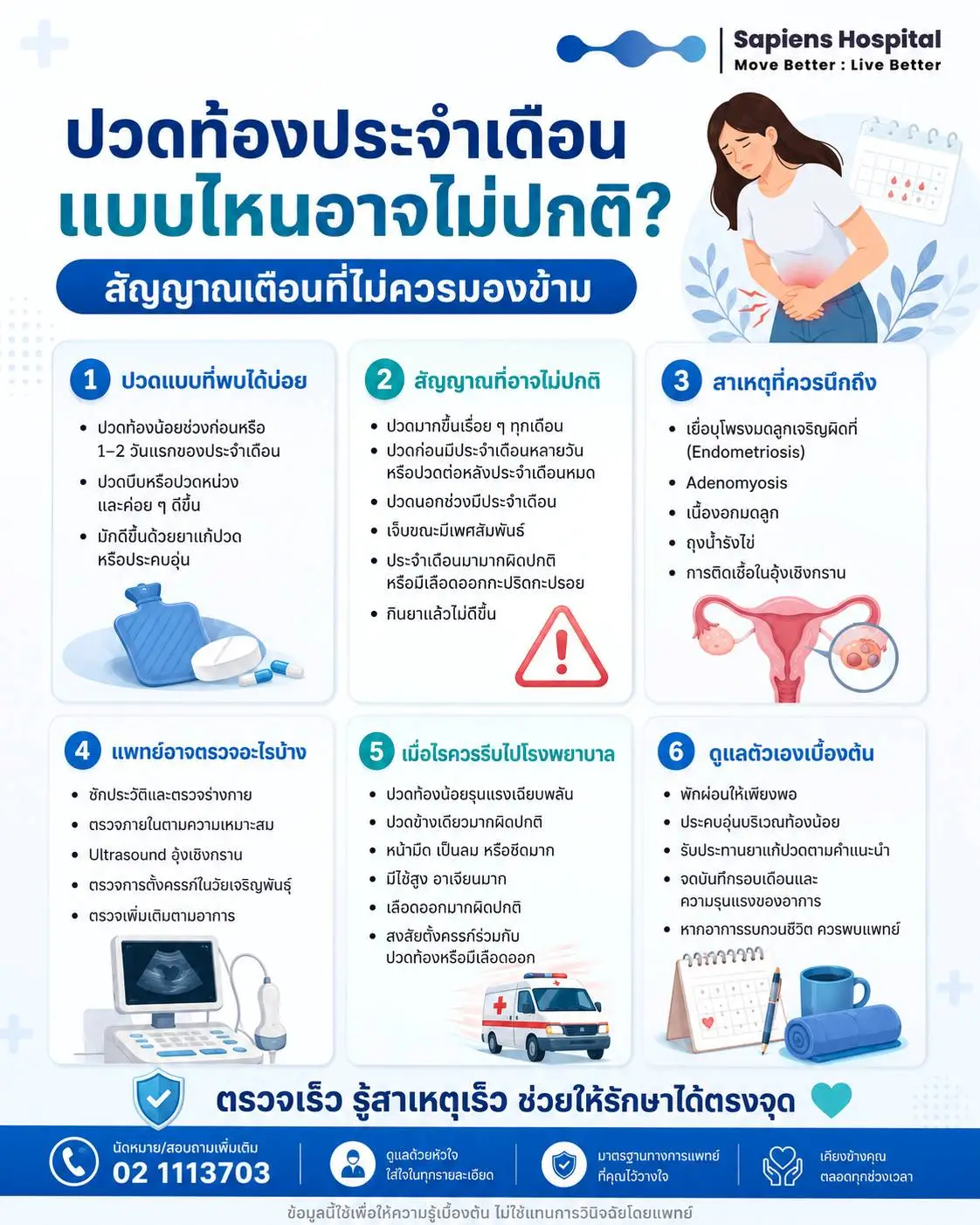
For information and appointments
Sapiens Hospital Move Better : Live Better
Tel. 02-111-3703
References
1. American College of Obstetricians and Gynecologists. Dysmenorrhea and Endometriosis in the Adolescent. ACOG Committee Opinion No. 760. Obstetrics & Gynecology. 2018;132(6):e249–e258.
2. Becker CM, Bokor A, Heikinheimo O, et al. ESHRE guideline: endometriosis. Human Reproduction Open. 2022;2022(2):hoac009.
3. European Society of Human Reproduction and Embryology. Endometriosis Guideline 2022.
4. National Institute for Health and Care Excellence. Endometriosis: diagnosis and management. NICE Guideline. Updated 2024.
5. McKenna KA, Fogleman CD. Dysmenorrhea. American Family Physician. 2021;104(2):164–170.
6. Itani R, Soubra L, Karout S, et al. Primary Dysmenorrhea: Pathophysiology, Diagnosis, and Treatment Updates. Korean Journal of Family Medicine. 2022.