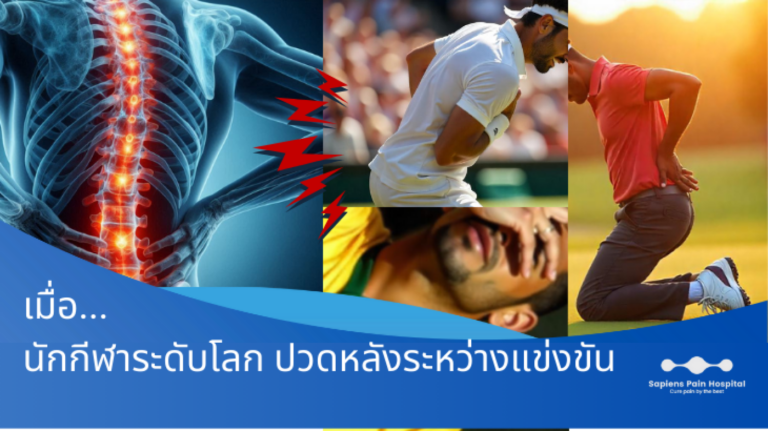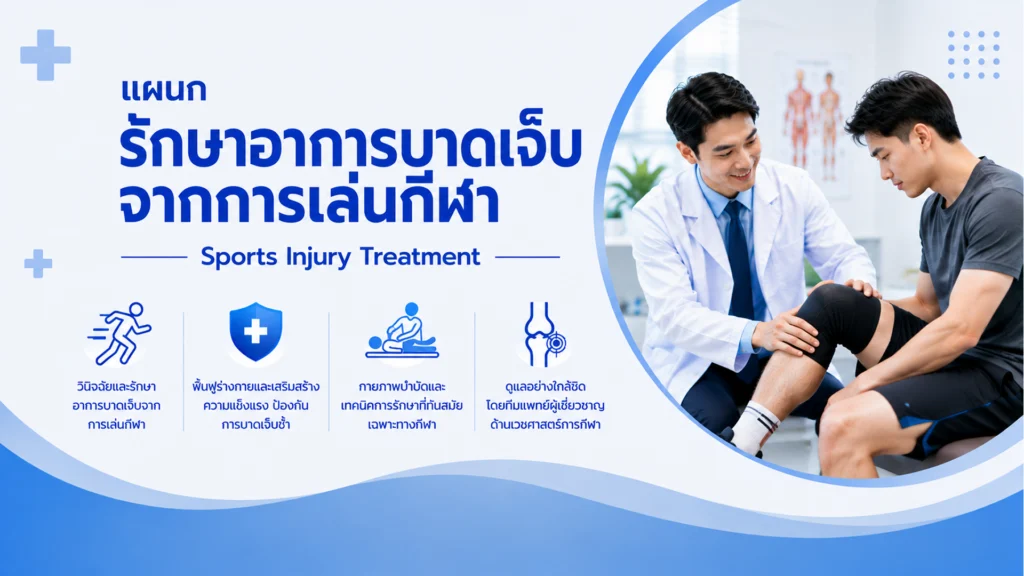
Playing sports and exercising are beneficial for health, but they also come with a risk of injury, which may result from accidents, excessive physical exertion, or improper techniques.
The Sports Injury Treatment Department at Sapiens Hospital provides diagnosis and treatment for both acute and chronic sports injuries. Proper treatment and appropriate preventive measures can help accelerate recovery and reduce the risk of recurrent injuries. Our specialists assess the severity of each injury before developing an individualized treatment plan for each patient.
Types of Sports Injuries
Sports injuries can be divided into two main categories:
- Acute Injuries occur suddenly as a result of an accident or impact, including:
- Ankle Sprain: caused by stretching or tearing of the ligaments around the ankle.
- Muscle Strain: caused by exerting a muscle beyond its capacity.
- Fracture: a crack or break in the bone caused by impact.
- Dislocation: displacement of a bone from its normal position within a joint.
- Ligament tears, such as an Anterior Cruciate Ligament (ACL) Tear, which commonly occurs in sports involving sudden turning, pivoting, or jumping.
- Chronic Injuries develop from repetitive use over a prolonged period, including:
- Tendinitis, such as Tennis Elbow, commonly associated with sports involving repetitive arm movements.
- Shin Splints, commonly associated with long-distance running.
- Osteoarthritis, resulting from wear and degeneration of the joints.
- Bursitis, which may occur in joints exposed to repeated friction or pressure.

Treatment Approaches for Sports Injuries
- Initial First Aid (RICE Principle) for acute injuries to help reduce pain and swelling:
- Rest: avoid using the injured area.
- Ice: apply an ice pack for 15–20 minutes every 2–3 hours.
- Compression: use an elastic bandage to help reduce swelling.
- Elevation: raise the injured area above the level of the heart.
- Medication and Medical Treatment
- Nonsteroidal anti-inflammatory drugs (NSAIDs), such as ibuprofen, may help reduce pain and swelling.
- Physical therapy helps restore muscle strength, joint function, and mobility.
- Steroid or PRP injections may be considered for certain chronic conditions.
- Surgery may be required for severe injuries, such as fractures requiring realignment or significant ligament tears.
- Rehabilitation and Return to Exercise
- Begin with light exercises, stretching, and physical therapy as appropriate.
- Strengthen the muscles surrounding the affected joint.
- Adjust sports techniques and movement patterns to reduce the risk of recurrent injury.
Sports Injury Treatment Services
- Arthroscopic knee ligament surgery for patients with torn or injured knee ligaments.
- Shoulder muscle and tendon surgery for patients with torn or inflamed shoulder tendons.
- Knee surgery for patients with knee joint damage caused by injury or degeneration.
- Hip surgery for patients with hip joint damage caused by injury or degeneration.
Preventing Sports Injuries
- Warm up and cool down before and after exercise to reduce muscle tension and prepare the body for activity.
- Use proper techniques when exercising and playing sports.
- Choose appropriate equipment such as sports shoes that provide suitable support and shock absorption.
- Strengthen the muscles through regular strength training.
- Get adequate rest and avoid excessive physical exertion.