Welcome to the Pediatrics Department at Sapiens Hospital. “We are committed to caring for your child with compassion, safety, and internationally recognized standards of pediatric care.”
The Pediatrics Department at Sapiens Hospital provides comprehensive healthcare for children from birth through 15 years of age. We understand that children are not simply small adults. Their bodies, development, communication, and emotional needs are different at every stage of growth. Our pediatric care is therefore designed specifically around the needs of children in a safe, warm, and child-friendly environment to help reduce anxiety for both children and parents throughout the examination and treatment process.
Pediatric Services
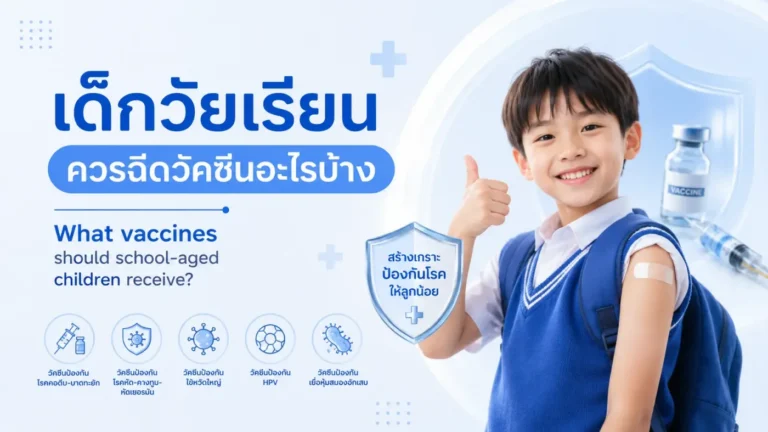
- Well-Baby and Child Health Clinic provides routine health checkups, growth and developmental screening, preventive health advice, and childhood vaccinations according to the recommended immunization schedule. Vaccines are stored and handled under appropriate temperature-controlled conditions.
- Pediatric Specialty Clinics provide evaluation and treatment by pediatricians with expertise in areas such as respiratory disease, allergy, infectious disease, gastroenterology, developmental and behavioral pediatrics, and other childhood conditions.
Pediatric Specialty Services and Diagnostic Care
- General Pediatrics – comprehensive care for common childhood illnesses, growth, development, and preventive health.
- Pediatric Infectious Diseases – evaluation and treatment of bacterial, viral, and other infections affecting children.
- Pediatric Gastroenterology and Hepatology – care for digestive system and liver conditions in children.
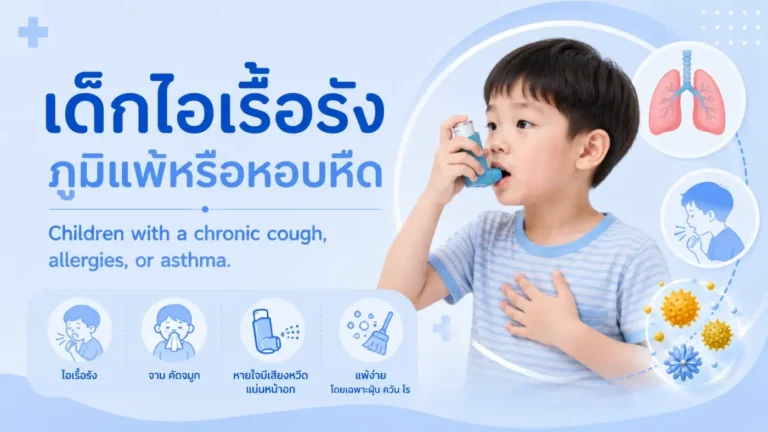
- Pediatric Pulmonology – evaluation of chronic cough, asthma, breathing problems, and other respiratory conditions.
- Developmental and Behavioral Pediatrics – assessment of developmental milestones, learning, behavior, communication, and age-appropriate development.
- Pediatric Dermatology – evaluation and treatment of skin conditions specific to infants, children, and adolescents.
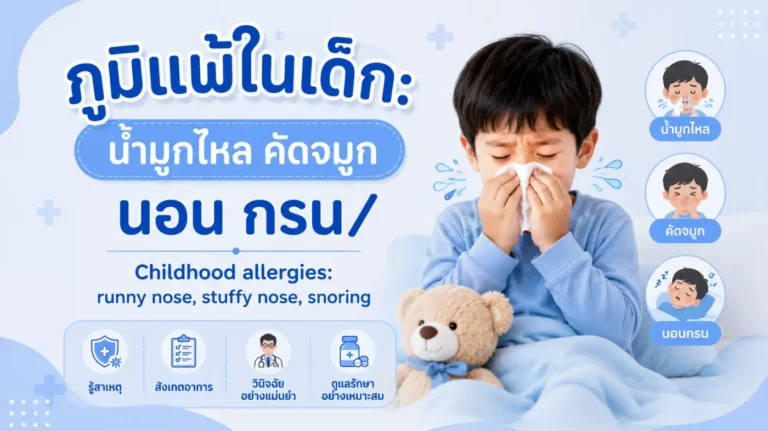
- Pediatric Allergy and Immunology – care for allergies, asthma-related allergic conditions, food allergy, and selected immune system disorders.
Common Pediatric Conditions Treated at Sapiens Hospital
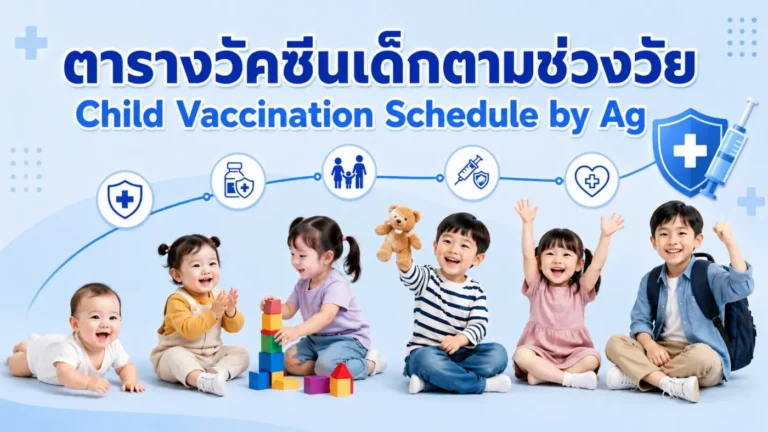
- Childhood Vaccinations – vaccinations according to age and recommended immunization schedules, with appropriate vaccine storage and safety procedures.
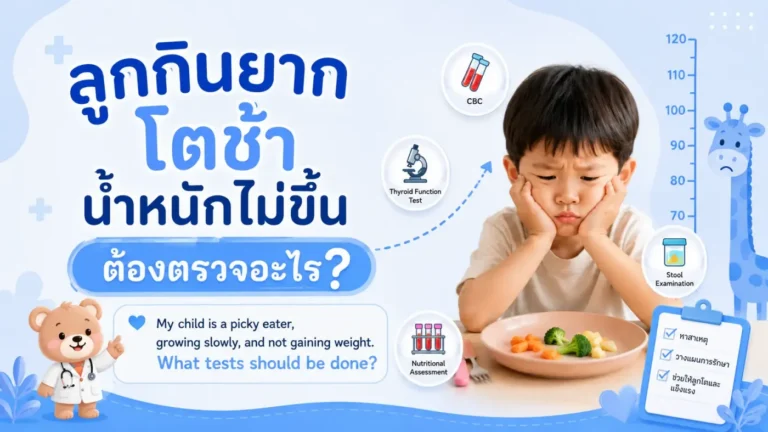
- Slow Growth or Poor Weight Gain – assessment of height, weight, nutrition, eating behavior, and possible medical causes of growth concerns.
- Allergies in Children – evaluation and treatment of allergic conditions affecting the respiratory system, skin, or other organs.
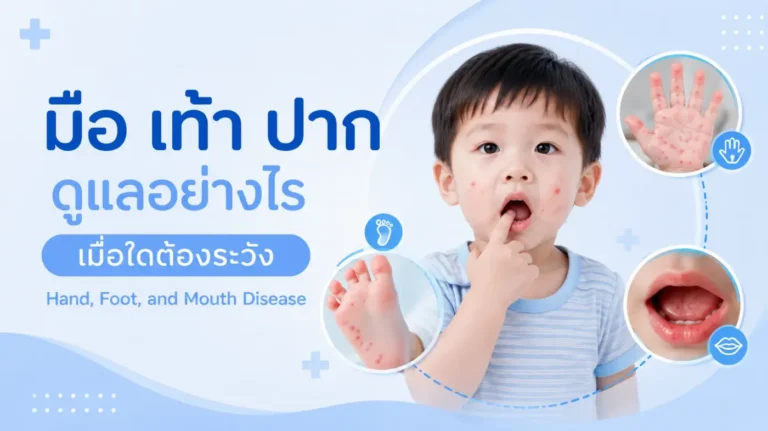
- Hand, Foot and Mouth Disease – evaluation, supportive care, and guidance for this common viral infection in young children.
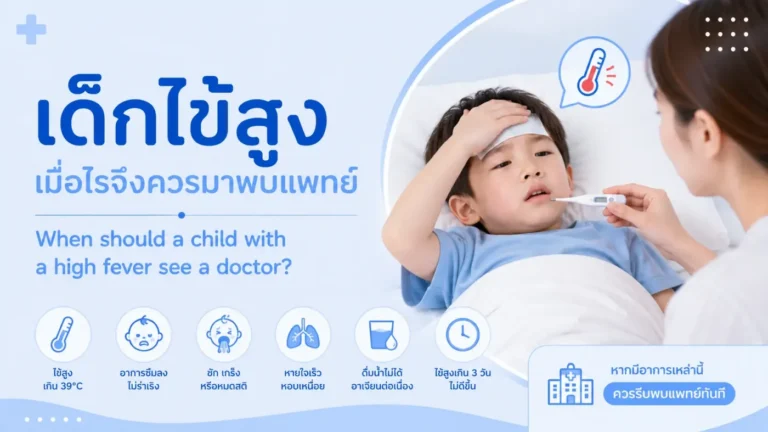
- Fever in Children – assessment of the cause of fever based on age, symptoms, clinical condition, and possible infection.
- Chronic Cough, Allergy, and Asthma – evaluation to distinguish among respiratory infection, allergy, asthma, and other causes of persistent cough.
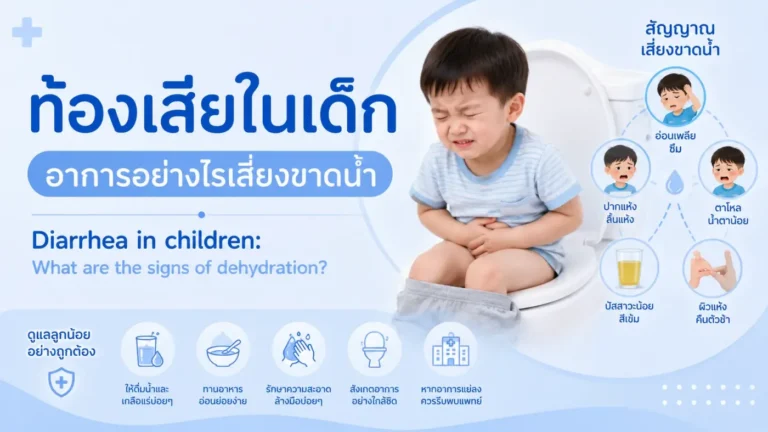
- Diarrhea in Children – assessment of dehydration risk, infection, nutrition, and appropriate fluid replacement.
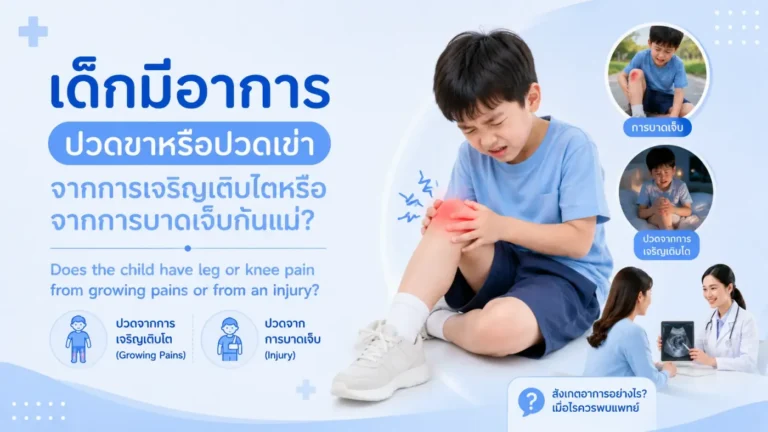
- Leg and Knee Pain – assessment to differentiate normal growing pains from injuries, joint problems, infection, or other medical conditions.
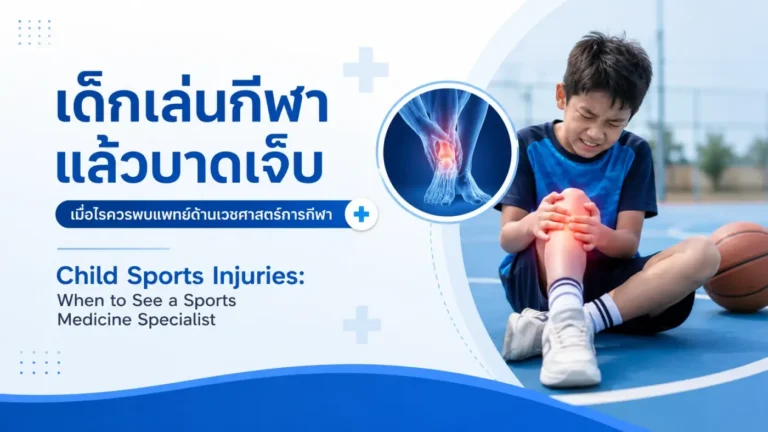
- Sports Injuries in Children and Adolescents – evaluation and treatment of injuries related to sports and physical activity.
Frequently Asked Questions (FAQ)
1. When should I take my child to see a doctor for fever?
The need for medical assessment depends on the child’s age, temperature, general condition, and associated symptoms. Young infants with fever require prompt medical evaluation. Children of any age should be seen urgently if they are unusually drowsy, difficult to wake, having seizures, breathing abnormally, unable to drink, showing signs of dehydration, developing a concerning rash, or appearing seriously unwell.
2. My child has leg or knee pain at night. Is this just growing pains?
Growing pains usually occur in both legs, often in the evening or at night, and children are typically well and active during the day. If the pain is persistent on one side, associated with swelling, redness, warmth, fever, limping, weakness, or restricted movement, a pediatric evaluation is recommended.
3. How important is it to follow the childhood vaccination schedule?
Vaccination at the recommended age helps protect children during periods when they are most vulnerable to specific infections. If a vaccination is missed, parents should contact the hospital or pediatrician to arrange an appropriate catch-up schedule rather than restarting the entire vaccine series in most cases.
4. When should a child with diarrhea be taken to the hospital?
Medical assessment is recommended if the child becomes unusually sleepy, urinates less than usual, has a dry mouth, cries without tears, cannot keep fluids down, has frequent watery stools, blood in the stool, persistent vomiting, severe abdominal pain, or signs of dehydration.
5. My child is a picky eater and growing slowly. What should be checked?
The pediatrician will assess weight, height, and growth trends using age-appropriate growth charts, review diet and feeding behavior, and examine the child. Additional tests may be considered if there are concerns about nutritional deficiencies, gastrointestinal disease, endocrine disorders, chronic illness, or other causes of poor growth.