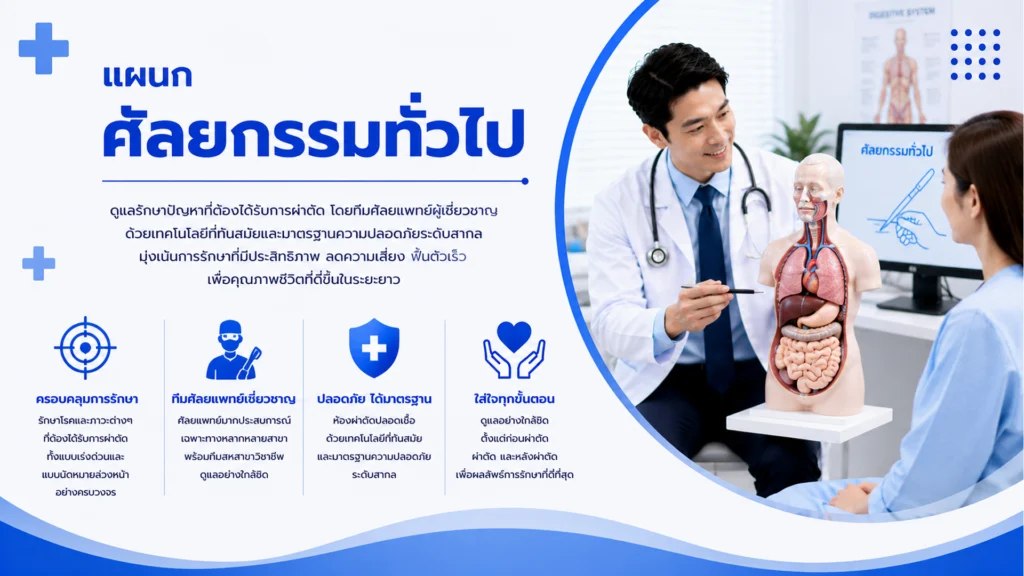
The General Surgery Department provides evaluation and surgical treatment for conditions involving the gastrointestinal system, abdominal organs, soft tissues, injuries, tumors, suspected malignancies, and selected surgical emergencies.
The General Surgery Department at Sapiens Hospital provides surgical care for both external and internal injuries, abnormal masses, gastrointestinal and abdominal conditions, and other problems that may require surgery. Our surgeons evaluate each patient carefully and develop an individualized treatment plan, whether the procedure is scheduled in advance or required urgently. The goal is to provide safe, appropriate treatment while supporting recovery and helping patients return to daily activities as efficiently as possible.
Conditions and Services Provided by the General Surgery Department
Sapiens Hospital provides surgical evaluation and treatment for a range of conditions, including:
- Traumatic wounds, emergency injuries, and accidents including selected internal injuries or bleeding that may require surgical assessment.
- Appendicitis an inflammation of the appendix that may require urgent surgery to prevent rupture and infection within the abdomen.
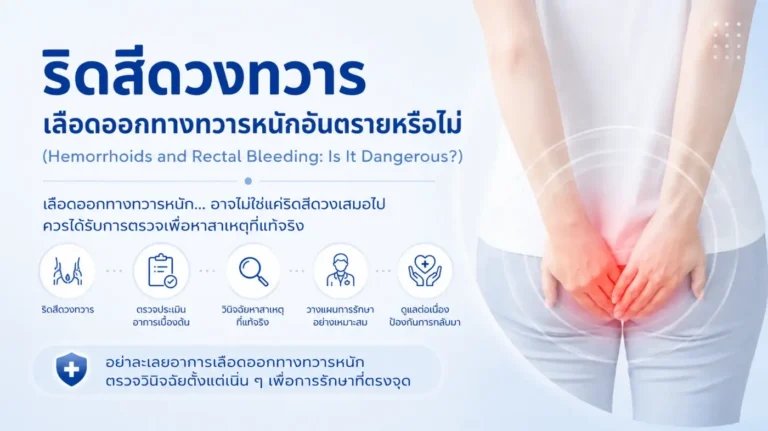
- Hemorrhoids swollen blood vessels around the anus or lower rectum that may cause bleeding, discomfort, or pain during bowel movements.
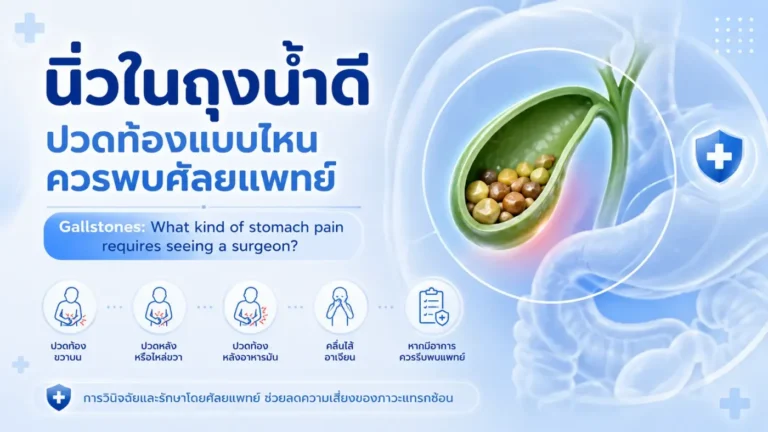
- Gallstones stones that form inside the gallbladder and may cause pain in the upper right abdomen, especially after meals. Surgery may be recommended when symptoms or complications occur.
- Breast lumps abnormal breast masses that require evaluation to determine whether they are benign or potentially suspicious for cancer. Further imaging, biopsy, or surgery may be considered depending on the findings.
- Hernia a condition in which tissue or an internal organ protrudes through a weakened area of the abdominal wall, sometimes causing a bulge, discomfort, or pain.
- Diabetic and chronic wounds wounds that heal slowly and may require wound care, debridement, infection control, or surgical treatment depending on severity.
- Subcutaneous masses, cysts, and abscesses which may require drainage or surgical removal when infected, inflamed, enlarging, or clinically indicated.
- Abnormal or suspicious tumors that may require biopsy, excision, or referral for multidisciplinary cancer care.
Some conditions, such as bladder stones, are generally managed primarily by urology. Patients may be referred to the appropriate specialist depending on the diagnosis.
Surgical and Treatment Techniques
Our surgical team plans treatment with patient safety, pain control, and recovery in mind. Treatment options may include:
- Perioperative pain management in collaboration with anesthesiology and the Pain Management Center to reduce pain before, during, and after surgery.
- Laparoscopic and minimally invasive surgery when appropriate, using small incisions and specialized instruments to perform selected procedures with reduced tissue disruption.
- Postoperative rehabilitation in collaboration with the Physical Therapy Department to support mobility, reduce deconditioning, and assist recovery after surgery.
- Open surgery when it is the safest or most appropriate method for the disease, emergency condition, or complexity of the operation.
For patients requiring urgent medical attention, Sapiens Hospital provides emergency support and ambulance services 24 hours a day, together with inpatient facilities for patients who require continued observation or postoperative care.
- Ambulance service available for emergency patient transport with appropriate medical equipment.
- Laparoscopic surgery performed using modern surgical equipment in appropriately controlled operating-room environments.
Frequently Asked Questions (FAQ)
1. Does pain in the lower right abdomen always mean appendicitis?
No. Right lower abdominal pain can have many causes, but appendicitis is an important possibility that should be assessed promptly, particularly when pain worsens or is accompanied by fever, nausea, vomiting, or loss of appetite. Untreated appendicitis may rupture and cause serious infection.
2. Does every hernia require surgery?
Not necessarily. The decision depends on the type, size, symptoms, and risk of complications. Some small or minimally symptomatic hernias may be monitored, while painful, enlarging, incarcerated, or strangulated hernias generally require surgical assessment.
3. How is laparoscopic surgery different from open surgery?
Laparoscopic surgery is performed through several small incisions using a camera and specialized instruments, while open surgery uses a larger incision to access the surgical area directly. Minimally invasive surgery may offer benefits such as smaller wounds and faster recovery in selected patients, but the most appropriate method depends on the disease and individual clinical situation.
4. If I have breast pain or feel a breast lump, do I need surgery?
Not always. Breast lumps should first be evaluated clinically and may require ultrasound, mammography, or biopsy depending on age and findings. Many breast lumps are benign and can be monitored, while suspicious lesions may require tissue diagnosis or surgical treatment.
5. Can Sapiens Hospital provide care for surgical emergencies outside regular hours?
Sapiens Hospital provides 24-hour ambulance support and can evaluate patients requiring urgent medical attention. The appropriate surgical or specialist team will be involved according to the patient’s condition.