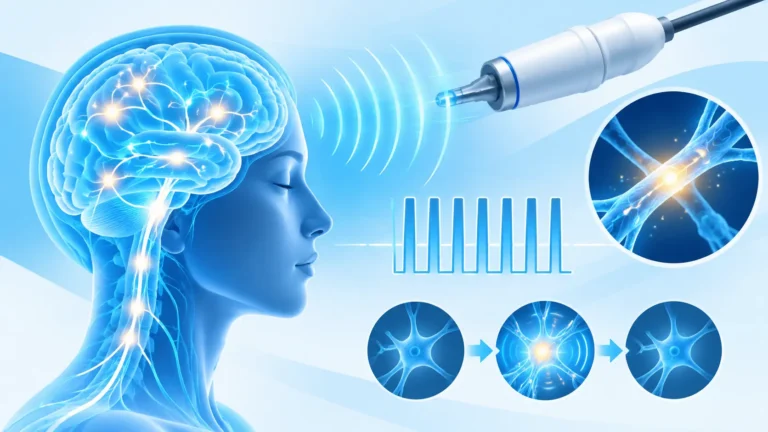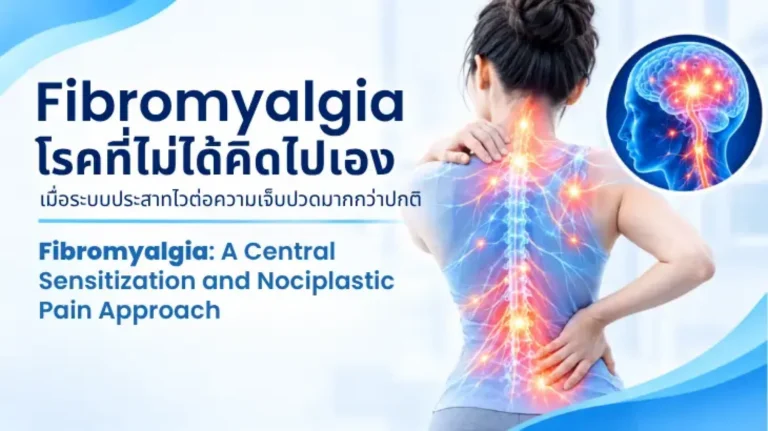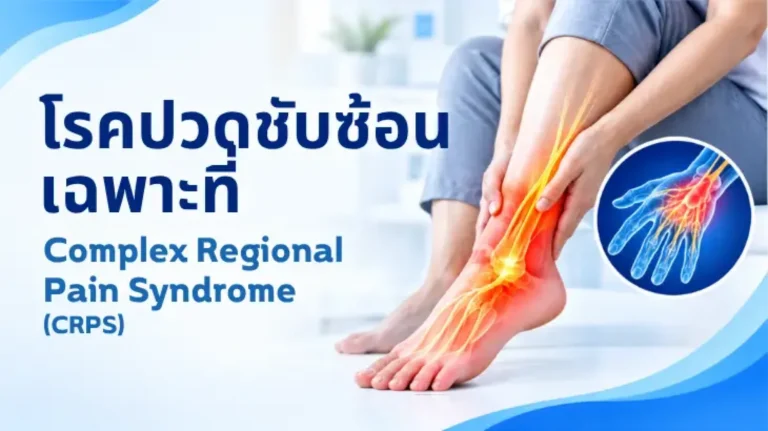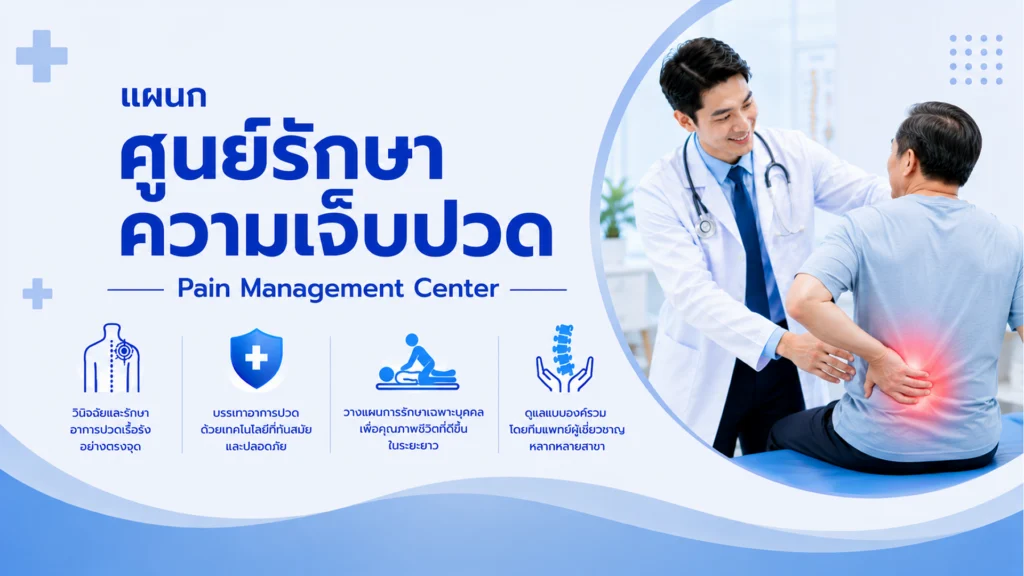
The Pain Management Center at Sapiens Hospital uses advanced approaches for pain diagnosis and treatment, particularly for pain associated with the musculoskeletal and nervous systems. The center offers a range of treatment options, including non-surgical treatments, minimally invasive and endoscopic surgery when appropriate, and physical rehabilitation.
The Pain Management Center at Sapiens Hospital is supported by anesthesiologists with specialized expertise in pain medicine, commonly referred to as Pain Doctors. Their background in anesthesiology provides expertise in anesthesia, nerve blocks, and interventional pain procedures. Physicians assess the patient’s medical history, perform a physical examination, and review relevant imaging findings together with the location and characteristics of the pain to identify its underlying source before developing an individualized treatment plan. Because many chronic pain conditions may originate from nerves, spinal joints, or other structures, pain medication or physical therapy alone may not always provide sufficient long-term relief. The center therefore emphasizes minimally invasive treatment options whenever appropriate, with the aim of reducing unnecessary surgery, supporting faster recovery, and helping patients return to daily activities as safely as possible.
Conditions Treated at the Pain Management Center
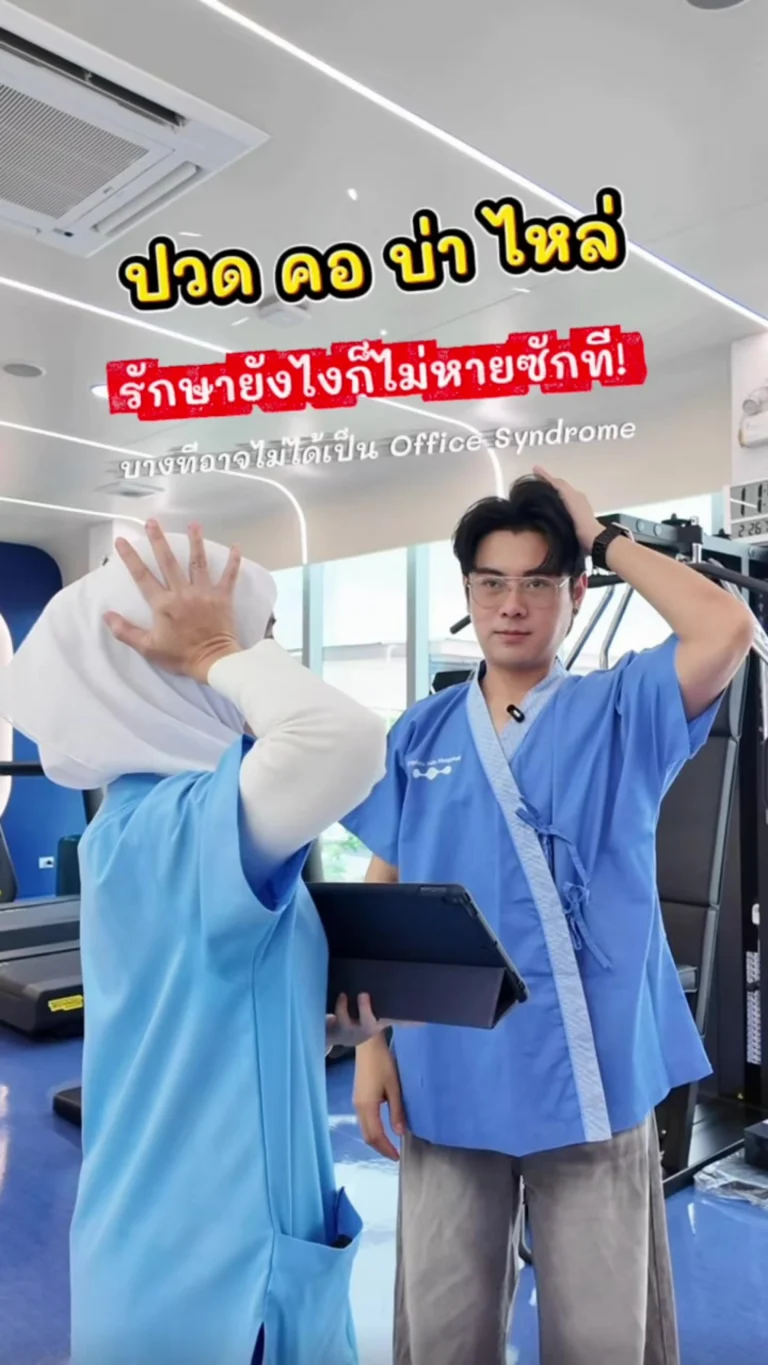
- Neck Pain – Including cervical degeneration and pain associated with prolonged poor posture, such as looking down at a smartphone or working at a computer for extended periods. Some conditions may irritate or compress nearby nerves and cause pain radiating to the shoulder or arm.
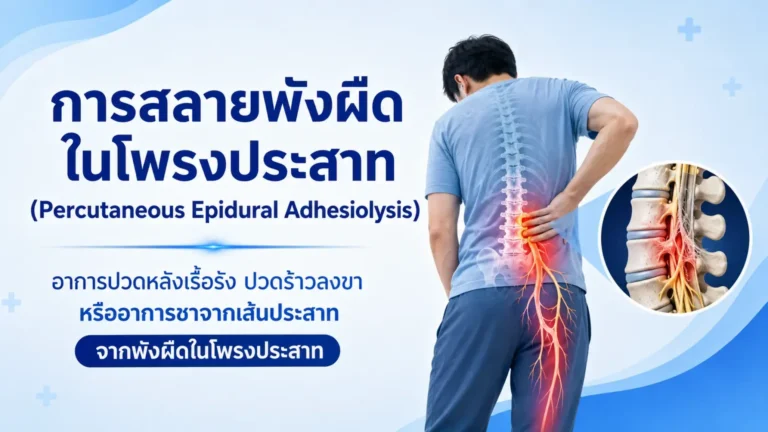
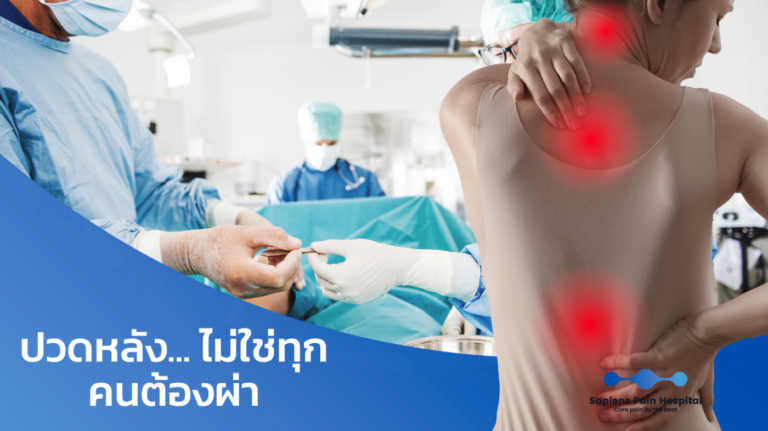
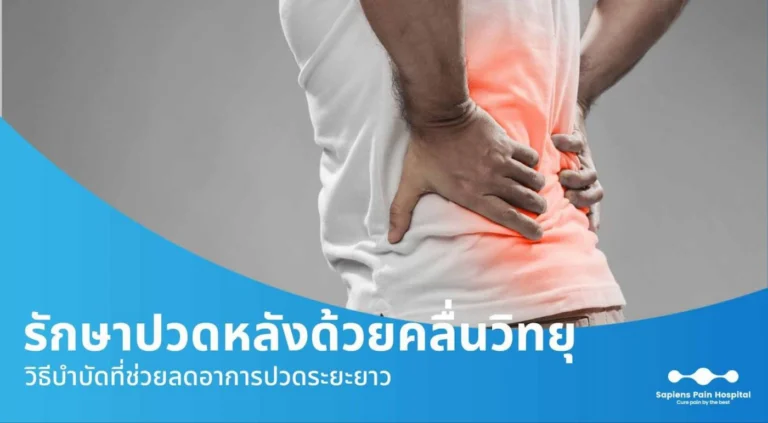
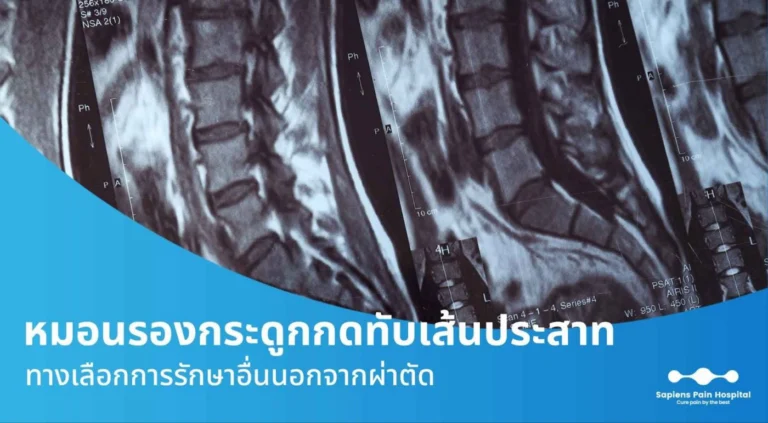
- Back Pain – Including degenerative disc disease and herniated discs affecting the nerves. Symptoms may include chronic lower back pain, radiating leg pain, numbness, or weakness.
- Headaches and Migraine – Headaches and migraine can significantly affect work, sleep, and quality of life. Physicians assess the pattern, frequency, associated symptoms, and possible causes before determining an appropriate treatment plan.
- Chronic Facial Pain – Persistent facial pain may involve abnormal nerve activity and requires careful assessment to distinguish neurological causes from dental, sinus, or other conditions.
- Cancer Pain – Pain management for patients with cancer, including pain caused directly by the disease as well as pain associated with treatments such as chemotherapy or radiation therapy.
- Chronic Postsurgical Pain – Persistent pain following surgery requires assessment to determine whether it originates from nerves, scar tissue, musculoskeletal structures, or other causes.
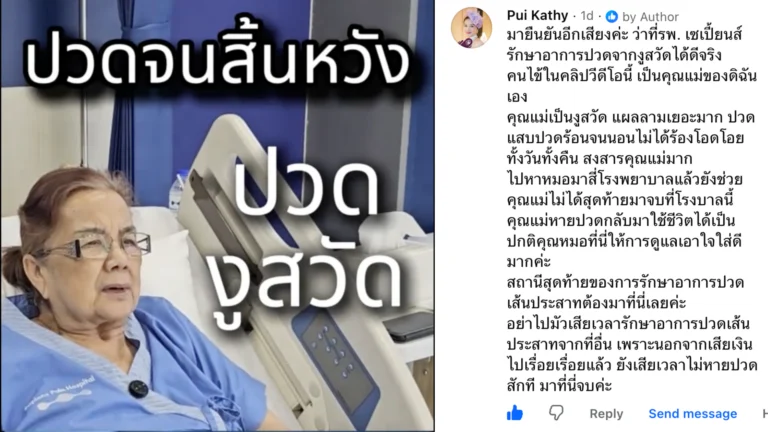
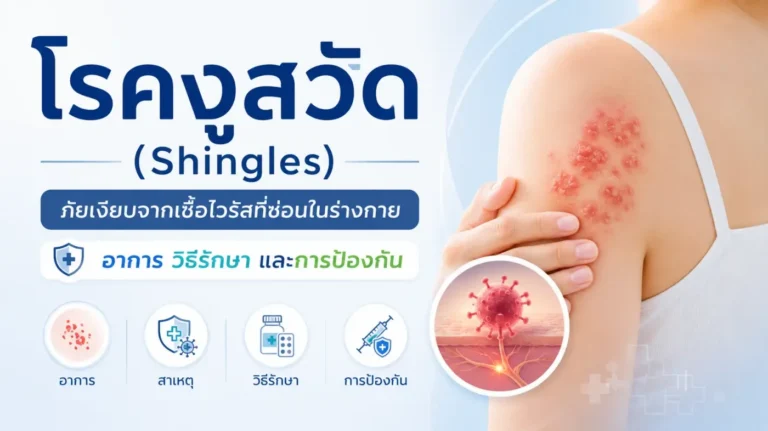
- Postherpetic Neuralgia – Persistent nerve pain following shingles that may continue for months or, in some patients, considerably longer after the skin lesions have healed.
Commonly Searched Pain Treatments
- Epidural Steroid Injection (ESI) – Steroid medication is delivered into the epidural space to reduce inflammation around irritated nerve roots. It may be considered for certain patients with radiating pain associated with conditions such as a herniated disc or spinal nerve irritation.
- Radiofrequency Ablation (RFA) – A minimally invasive procedure that uses radiofrequency energy to target selected nerves involved in transmitting pain signals. It may provide longer-lasting pain relief in appropriately selected patients.
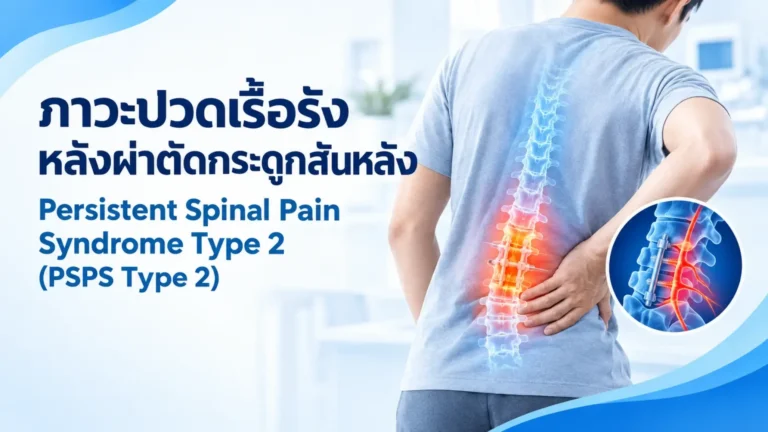
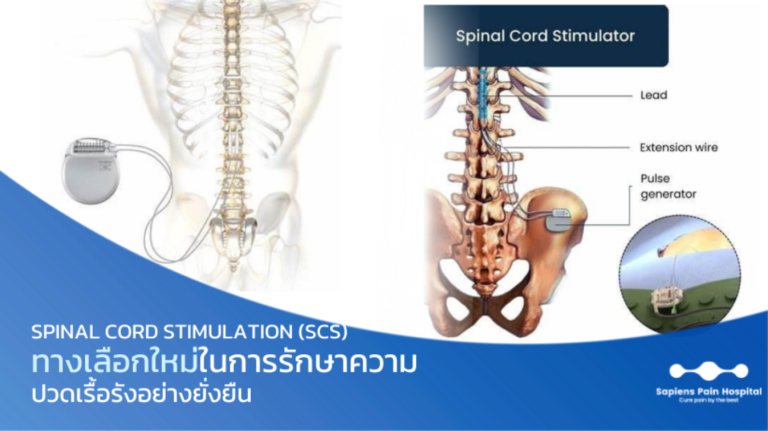
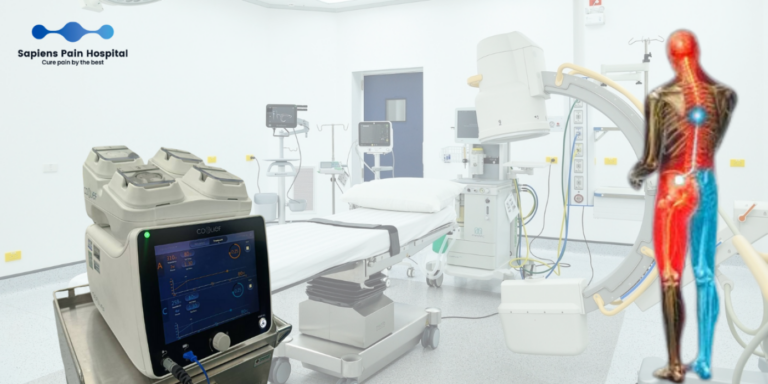
- Spinal Cord Stimulation (SCS) – An implanted device delivers mild electrical impulses to the spinal cord to modify pain signals. It may be considered for selected patients with severe chronic neuropathic pain that has not responded adequately to other treatments, including some patients with persistent pain after spinal surgery.
- Minimally Invasive / Endoscopic Spine Surgery – For selected patients who require surgery after non-surgical treatments have not provided adequate results, minimally invasive techniques may reduce disruption to surrounding tissues and support postoperative recovery.
Frequently Asked Questions (FAQ)
1. Do chronic neck or back pain conditions always require surgery?
No. Surgery is not always necessary. Depending on the cause and severity of the condition, treatment may include medication, physical therapy, epidural steroid injections, radiofrequency procedures, or other minimally invasive treatments. Surgery may be considered when clinically indicated or when appropriate non-surgical treatments have not provided sufficient improvement.
2. Is Radiofrequency Ablation (RFA) painful or dangerous?
RFA is a minimally invasive procedure performed through a needle, usually with local anesthesia and, when appropriate, sedation. Temporary soreness, numbness, or discomfort may occur after the procedure. As with any medical procedure, there are potential risks, so suitability should be assessed by a physician.
3. Who may be suitable for Spinal Cord Stimulation (SCS)?
SCS may be considered for selected patients with severe chronic neuropathic pain that has not responded adequately to other treatments. This may include some patients who continue to experience pain after spinal surgery. A specialist will evaluate each patient individually, and a temporary trial is generally performed before permanent implantation.
4. Can pain from shingles be treated?
Postherpetic neuralgia can often be managed and reduced with appropriate treatment, although recovery time varies between individuals. Some patients may experience persistent symptoms for an extended period. Early assessment and appropriate treatment may help improve symptom control and quality of life.
5. When should a cancer patient with pain visit the Pain Management Center?
Patients with cancer can seek pain assessment at any stage of their illness and do not need to wait until the pain becomes severe. Early and appropriate pain management can help improve comfort, daily function, sleep, and overall quality of life throughout cancer treatment.